What is a Freight Broker?

A Shipper's Ultimate Guide
to Freight Brokerage

Crystal Lahr
By Crystal Lahr
Crystal is vice president of corporate sales for ATS Logistics, where she develops business plans and strategies to promote the continued success and growth of ATS customers and her team at ATS Logistics. Prior to her current role, Crystal served in several positions at ATS since 2012, including carrier representative, sales representative, and sales director. 


Freight brokerage services connect shippers with qualified carriers, simplifying the process of moving goods efficiently and cost-effectively. A great freight broker doesn’t just find you a truck; they help manage complex logistics challenges, minimize risk, and keep your supply chain running smoothly.

But if you've never worked with a freight broker, onboarding one into your transportation network can feel daunting. Brokerages do business differently than asset carriers, and understanding how they find you a truck is just as important as feeling confident that they can.

Freight brokerage and Anderson Trucking Service (ATS) sister company ATS Logistics has been helping businesses move freight efficiently and reliably for over 30 years. We have extensive experience in this business, and we're passionate about sharing what we know to help businesses achieve their goals through more successful shipments. 

That's why ATS Logistics has assembled this ultimate guide to freight brokerage. 

If you’ve ever wondered what a freight broker actually does, when to use one, or how to choose the right partner, this guide is for you.

Let's get started.

Key Takeaways for Shippers: 

  • Freight brokers act as a bridge between shippers and carriers, working to match freight with capacity.
  • Instead of owning and operating their own trucks, freight brokers maintain a network of carriers that they can broker freight to.
  • Choosing the right freight brokerage requires careful evaluation of experience, network composition, communication, and technology.
  • Freight brokerage services can help businesses reduce administrative work, lower transportation costs, and improve supply chain reliability.

Chapter 1

What Are Freight Brokerage Services?

Freight brokerage services connect businesses that have freight to move (shippers) with transportation companies that have available capacity (carriers). The broker serves as the intermediary, handling transportation coordination, communication, and administrative details.

Brokers use deep industry knowledge and an established network of carriers to match each shipment with a transportation solution that aligns with the shipment requirements. These networks provide access to more capacity and, often, more diverse equipment types and capabilities.

What Does a Freight Broker Do?

In simple terms, freight brokers make logistics easier for shippers by maintaining a large, diverse network of capacity and handling the logistics details most shippers don’t have the time or desire to handle on their own.

Effectively, the three core functions of a freight broker are: 

  1. Matching Freight with the Right Carrier: Imagine a broker's network is like extensive databases of carriers and equipment types. Brokerages build and maintain good working relationships with each of these carriers and maintain information regarding their capabilities and equipment. Using their knowledge of their network and the specifics of your freight, a broker will match your shipment with a carrier that meets the shipment requirements and is available. 

  2. Coordination & Communication: Throughout the freight booking and transportation process, your broker will act as your single point of contact. They'll help coordinate communication so both you and the carrier have current pickup, delivery, and shipment information. They will also work to coordinate communication regarding any issues that arise.

  3. Managing Risk & Compliance: As a third-party buffer between shipper and carrier, brokers help shippers navigate potential transportation disruptions. From carrier onboarding, documentation review, and insurance verification to tracking and claims support, brokerages will handle the legwork of working with carriers on behalf of a shipper, so they can focus on their core competencies: running their business.

Chapter 2

What Are the Different Types of Freight Brokers?

There are five main types of freight brokerages. Each operates slightly differently, so it's important to understand what those differences are and how they might affect your experience shipping with a brokerage of that type.

Before we dive in, a quick point of order: while there are some exceptions (which we'll get into shortly), most freight brokerages don't own and operate their own fleets. That means most will be unable to guarantee capacity — so if that's important to you, a broker may not be your best-fit transportation solution. 

With that said, one of the biggest draws of a freight broker is flexibility. Even if capacity isn't technically guaranteed with a broker, most will work their network until they find you the truck you need when and where you need it.

If you're comfortable with that trade-off — no owned assets (in most cases) but greater flexibility — then a freight brokerage is a solution worth exploring. 

Let's break each of the freight brokerage types down one by one, so you can feel confident in selecting the model that works best for your business's needs.

The 5 types of freight brokerages:
1
Agent-model freight brokerages
2
Traditional freight brokerages
3
Asset-based freight brokerages
4
Third-party logistics companies (3PLs)
5
Digital freight brokerages

Freight Brokerage Type #1:

The Agent-Model Brokerage

Under the agent model, contracted company representatives (read: contractors, not employees) handle every aspect of the freight transportation process under the umbrella of a corporate brand.


Graphic of umbrella under rain

As “freight agents,” workers in this brokerage model are responsible for coordinating freight movement and communication throughout the process. This includes reviewing carrier information before selecting them, maintaining fruitful relationships with their network, and brokering freight for their customers.

Customer service is the main selling point of this type of brokerage. If you’re searching for a brokerage type that prioritizes customer satisfaction and quality service, look no further. Agent-model freight brokerages truly excel in this regard.

Agent-Model Freight Brokerage Pros & Cons

Advantages

1
Freight agents work on commission, so they're highly motivated to build strong customer relationships.
2
Without carrier representatives, agents must maintain deep knowledge of both customer needs and carrier strengths.

Disadvantages

1
Agent-model brokerages often offer a limited range of transportation services due to resource constraints, which can restrict customer options.
2

Limited infrastructure can make it difficult to absorb losses or maintain service levels during challenging market conditions.

Freight Brokerage Type #2:

Traditional Freight Brokerages

In a traditional freight brokerage, sales representatives work to quote shipments and book freight, while carrier representatives find, review, and maintain relationships with the carriers who move it. 

Unlike an agent-model brokerage, traditional brokers earn a base salary and benefits, plus a small portion of the gross margin on each load.

Traditional Freight Brokerage Pros & Cons

Advantages

1
Traditional freight brokers have the infrastructure to support wide, diverse networks.
2
This infrastructure also helps to absorb market fluctuations, so they're more likely to stick to their quoted rates, even if it means taking a small loss.

Disadvantages

1
No owned trucks, trailers, or other assets means no guaranteed capacity or "trucks in-hand." 
2

Large traditional brokerages have hundreds or thousands of customers, which can make it difficult to get truly personal customer service. 

Freight Brokerage Type #3:

Asset-Based Freight Brokerages

Asset-based freight brokers, also called asset carriers with brokerage authority, are freight carriers that operate their own fleets but also maintain legal permitting to broker freight. 

Typically, asset-based brokers try to match freight to their own fleets first, if they have the capacity and availability. If not, they'll then broker the freight out to one of the carriers in their network.

Often, shippers will find themselves torn between the reliability and control of asset-based transportation and the wider pool of options (and prices) of a broker. Working with an asset-based brokerage means there's no need to choose! 

Asset-Based Brokerage Pros & Cons

Advantages

1
Because asset-based brokerages own assets, they can guarantee capacity.
2
Asset-based brokerages can provide a wider range of services and capacity to customers because of their dual model.

Disadvantages

1
Asset-based brokerages typically prioritize filling their fleet first, even if another carrier in their network might be a better fit. 
2
Putting their fleet first may raise rates, as d

eadheading in one of their trucks

will likely cost more than finding a brokered solution in the area.
Freight Brokerage Type #4:

Third-Party Logistics (3PL)

Third-party logistics companies (3PLs) aren't just brokerages: these companies allow businesses to outsource their entire transportation and logistics supply chain to a single, comprehensive provider. 

3PLs essentially become an extension of a business's internal logistics department or team, handling freight transportation, warehousing, inventory management and distribution, supply chain fulfillment, and other services.

Under the umbrella of 3PLs, there are asset-based, non-asset-based, and hybrid models. The advantages and disadvantages of each of these 3PL types mirror those of asset carriers, traditional brokerages, and asset-based brokerages.

3PLs make sense for companies with complex shipping needs, high volumes, and/or minimal in-house logistics expertise. With a 3PL handling all of a business's transportation needs, company stakeholders can focus on their core priorities rather than the ins and outs of logistics.

Third-Party Logistics Provider (3PL) Pros & Cons

Advantages

1
3PLs take logistics coordination off shippers' plates entirely, reducing daily workload and freeing teams to focus on core business priorities.
2

3PLs offer diverse, comprehensive services under one provider, making total visibility more convenient and billing streamlined. 

Disadvantages

1
Customers become wholly reliant on 3PLs to keep their supply chains moving, so separation from these companies can be challenging.
2

Outsourcing logistics means losing a certain degree of control and visibility into decisions and processes.

Freight Brokerage Type #5:

Digital Freight Brokerage

Digital freight brokerages are online freight matching platforms that connect freight with carriers in real time. 

Using various technologies and algorithms — and minimal employees — digital brokers provide instant quotes, freight booking, and streamlined documentation processes. These platforms are generally self-service and allow shippers to go through the entire freight process without talking to a human broker.

Fewer overhead expenses allow these companies to quote freight at the lowest possible rate. With that said, the lack of shipper-broker relationship means that if something goes wrong, it may be harder to get answers. 

If you’re looking for a purely transactional transportation provider, though, digital freight brokers may meet your needs perfectly.

Digital Freight Brokerage Pros & Cons

Advantages

1
Quoting speed. Digital freight brokers can generate rates much quicker than other brokerage types.
2
Fewer employees and overhead costs help these companies offer low rates and stick to their pricing — even if they take a loss.

Disadvantages

1
Digital freight brokerages are purely transactional, with no shipper-broker relationship to speak of.
2
Most digital brokers will only quote dry van and flatbed freight. 
3
With no human brokers managing the shipment, don’t expect great customer service if something goes wrong.

What Is the Best Type
of Freight Brokerage?

Ultimately, there's no "best type of freight brokerage" across the board. The best freight brokerage for you will be the company that can best meet your specific needs.

What's more, you don't need to choose one specific type of brokerage and stick to it. While you might identify that a certain model is the best overall choice for your business's needs, other models can perform well for you in certain conditions.

Maybe you choose to build a long-term relationship with a traditional brokerage. While you rely on that broker day-to-day, you can also lean on:

  • An asset-based broker for time sensitive hauls
  • A digital brokerage for last-minute shipments needing real-time capacity
  • An agent-model broker for their one-on-one service expertise

The strongest transportation provider networks incorporate a diverse mix of companies. Just as you should aim to have several asset carriers in your network, having multiple different types of brokerages in your back pocket is a wise strategy. 

Chapter 3

How Brokerages Find Carriers, Explained

A freight brokerage's carrier network is an important part of its service offering, making it essential to build and maintain strong carrier relationships.

Many freight brokerages (like ATS Logistics) have decades of industry history behind them, and can leverage the pre-existing, time-tested connections that come with that longevity.

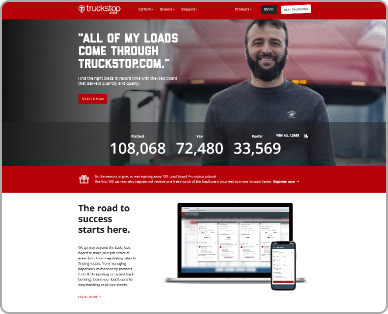
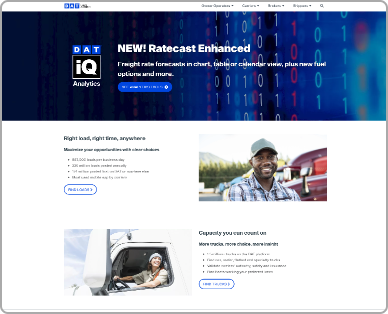
But even tenured brokerages need to expand their networks to keep up with shipper demand and business growth. Freight brokerages will find carriers for their network by referral, by advertising opportunities to "Become a Carrier" on their websites, or by browsing load boards and load-matching websites like the examples below.


Once a broker has identified a potential new addition to their carrier network, they must determine if the carrier in question would be an operational fit. 

To support a consistent carrier onboarding process, reputable freight brokerages dedicate time and resources to reviewing carriers against a variety of onboarding criteria.

Operational consistency, compliance information, and service history are often important considerations when brokerages evaluate carriers.


The 3 things

brokers commonly review during carrier onboarding:

1
Verifying the carrier's insurance.
2
Reviewing available CSA information.
3
Verifying their active authority.

Why Does Carrier Insurance Matter?

Carriers are federally mandated to maintain auto liability insurance to legally operate as a commercial motor carrier. Federal minimums vary, and many brokers require coverage above the applicable federal minimum as part of their own carrier qualification standards. 

Without the necessary insurance documentation, trucking companies aren’t allowed to operate. Getting caught operating without proper insurance is a crime. Reputable freight brokers want to avoid associations with carriers that do not have required documentation or operating authority, so insurance credentials are frequently among the first to be reviewed during carrier onboarding.

What Is a Compliance, Safety
and Accountability (CSA) Score?

A carrier's Compliance, Safety, and Accountability rating, or "CSA score," is a reflection of its adherence to federal safety laws, regulations, and guidelines as set by the FMCSA. To score a carrier, the FMCSA performs a thorough audit of the carrier's safety and compliance history and will rate the carrier in one of four categories: None, Satisfactory, Conditional, and Unsatisfactory.

CSA rating scale


Here's what each of the CSA ratings mean for carriers: 

  • Satisfactory: The carrier satisfies the requirements of adherence to federal safety laws and regulations.
  • Conditional: The carrier has room for improvement, but may continue operating on the condition that they follow guidance provided by the FMCSA at the conclusion of its audit to improve their score.
  • Unsatisfactory: The FMCSA has preliminarily determined that the carrier is unfit to continue operating. If necessary safety improvements are not made after 45 or 60 days, depending on carrier type, prohibitions will be imposed.
  • None: The carrier has not been audited by the FMCSA.

While “None” isn’t as reassuring a rating as “Satisfactory," many good brokers will utilize carriers with a None CSA score. On the other hand, a "Conditional" safety rating, may cause a carrier to fall outside a brokerage's standards or trigger additional review. And a carrier with an "Unsatisfactory" safety rating is prohibited from operating commercial motor vehicles in interstate commerce.

ATS Pro Tip:

Ask brokers how they incorporate available CSA information into their carrier onboarding process.


Many freight brokers use automated systems that review available carrier qualification information, including CSA ratings, insurance documentation, and operating authority. These systems will alert brokers when carriers fall out of compliance with their internal standards so the issue can be addressed promptly.

What Is Active Authority in Trucking?

In the trucking industry, a freight carrier's "active authority" indicates that the FMCSA currently recognizes the carrier's applicable authority to conduct the authorized for-hire interstate operations. Brokers should evaluate authority status together with insurance filings, safety information, identity verification, and shipment-specific requirements.

For years, trucking carriers and brokers operated under two distinct identifiers granted by the FMCSA:

  • U.S. Department of Transportation (USDOT) number, primarily used for safety and compliance tracking.
  • Motor Carrier (MC) number, which signified the carrier's operating authority.

Unfortunately, having two different numbers to identify a single carrier proved problematic. The system was found to be confusing, redundant, and even vulnerable to fraud, as some carriers sought to "reset" their safety record by obtaining new numbers. 

That's why, in October 2025, the FMCSA officially updated its registration system to consolidate these under the USDOT number, effectively retiring MC numbers moving forward. 

This move centralizes records, simplifies the registration process, reduces the risk of duplicate or fraudulent entries, and increases the overall security of the system, according to the FMCSA.

In order to maintain active authority, trucking companies must provide and maintain proof of insurance (automobile, general liability, and cargo) and remain in compliance with all FMCSA regulations. 

Should a carrier fail to meet this criteria at any time, their active authority may be revoked. This would result in having to immediately cease operation — even if they're in the middle of a shipment — until the issue is resolved to the FMCSA's satisfaction.

Chapter 4

How Does a Freight Brokerage Find You the Best Carrier?

Once a carrier has completed the brokerage's onboarding process and confirmed to meet their qualification requirements, including applicable authority, insurance, and safety-review criteria, they'll be added to the broker's network.

Now, when a shipper submits a quote request to the broker, that carrier will be among those up for consideration to haul the load. 

It's now up to the broker to determine whether the carrier in question is the appropriate match for that load. Most brokerages use an internal carrier management system to do this. 

Each brokerage's carrier management system is tailored specifically to them. This proprietary combination of tech and processes gives the brokerage a comprehensive understanding of each carrier's company data, capabilities, strengths, and performance record. 

Again, each carrier management system is custom-made to suit the brokerage using it, but in general, these systems can: 

  • Automate carrier review processes
  • Catalogue carrier performance history
  • Record key fleet data, such as size and equipment type 
  • Log each instance of working with a carrier, including load details and any notes the brokerage representative may have about the broker-carrier relationship

Upon receiving a quote request, a freight broker will review the carrier profiles within their carrier management system to see who is an appropriate match for the freight and available to haul the load. The carrier list may be sorted by a proprietary ranking score, OTD performance score, carrier type, or any number of other criteria. 

First, the broker will want to narrow the list to carriers that align with the shipment requirements.

By comparing load details and shipper specifications to these carrier listings, brokers can quickly narrow down their pool of options from hundreds (or even thousands) to just a handful of carriers most likely to be the best fit. 

Then, the broker will check the carrier's availability and interest in hauling the load. If they have the equipment and a driver available, great! The broker will begin to negotiate a rate with that carrier. If the carrier isn't able to accept the freight for any reason, the broker will move on to another carrier that checks all the boxes. 

Chapter 5

How Does a Freight Brokerage Price Freight?

A freight broker prices freight in two ways: Spot rate pricing and contract rate pricing. Knowing the difference between these two pricing methods (and the factors that influence them) can be helpful as you plan your transportation budget and compare rates from provider to provider.

You'll likely receive both spot and contract prices as you work with a freight broker over time.

What Are Spot Rates?

Spot quotes are freight rates based on market conditions at the time of quotation. Spot quotes are based on a number of cost indicators that impact the final price you’re given.

Some of these factors are shipper- or freight-specific (like equipment type preferences, for example) and some that are out of a shipper's control, like region-specific supply and demand. 

Spot rates are influenced by . . .

Truck supply and demand at your origin.

Freight dimensions and requirements.

The distance your load needs to travel.

The urgency of your shipment.

Truck supply and demand at your destination.

Spot quotes are very common in the transportation world, and are typically a fair reflection of what the market will bear at any given time. 

While spot rates are efficient, they don't offer shippers much in the way of pricing predictability.

Because spot rates are driven by market conditions — which can change dramatically on short notice — spot quotes are known for their instability and expire quickly.

Spot quotes are inherently variable from one shipment to the next and don’t lock in long-term commitments, so they can be frustrating for shippers looking for consistency and cost-savings.

Shippers may be left wondering why their brokerage is asking for a higher rate than originally quoted when the market adjusts. Although the best freight brokerages are able to stick to their spot rates (even if it means taking a loss after a market shift), not all can.


What Are Contract Rates?

Contract rates are exactly what they sound like: a contract that locks-in freight rates for an agreed-upon period of time.

Contract rates are calculated using many of the same variables as spot quotes (like freight specifics, lanes, and distances), but with an additional nuance: once the parties involved sign the contract, that rate is what the customer will pay for the length of its term — no more, no less.

Contract durations are generally a year or more. Although contract rates preclude brokers from quoting spot rates (and potentially earning more money) on that shipper's freight, the financial predictability and relationship-building a contract term affords them is often seen as a better long-term strategy. 

For shippers, a contract rate means they give up the ability to play the spot market and look for the lowest price on a shipment-by-shipment basis. If the market shifts, they may find themselves paying more than they would on the spot market. But in return for their commitment, they're more likely to get reliable capacity, great customer service, and fewer shipment failures.

Ideally, your broker is pricing their contract rates "to execute." That means the rate you pay, while possibly slightly higher than a spot rate at any given moment, is reflective of what the broker needs to actually make good on your shipment — even if the market changes.

The best freight brokerages price "to execute," which means quoting the exact cost of transporting the shipment successfully.

What's more, since contract rates won't change with the market, they offer shippers security in both pricing and capacity.

Likewise, brokers can count on the agreed-upon freight volumes, truck usage, and revenue for the duration of the contract. This allows both parties to enjoy better financial forecasting for their businesses.

Typically, a freight broker will transition a customer from spot rates to contract rates when the relationship has enough tenure (and the freight has enough consistency) for a longer-term arrangement to make sense for both parties. 

A contracted rate allows freight brokerages to completely align themselves with their customer’s needs. And as time goes on, contract rates promote long-term partnerships between parties.

Chapter 6

How Does a Freight Brokerage Make Money?

Freight brokers take home the difference between what the shipper pays to get their shipment moved (the freight rate) and what the carrier gets paid for their services. This is called a profit margin. 

In general, freight broker profit margins range from 10-20%, but can be vary depending on the broker and market conditions. To help illustrate this idea, here's an example of what it looks like in practice:

  • A shipper approaches their broker with a shipment. Their broker's margin is 15%, which means the broker will take $0.15 for every $1 they pay for their shipment.

  • The broker looks at its network and finds an appropriate carrier. Because of its longstanding relationship with the carrier (and a bit of negotiating), the carrier agrees to haul the load for $1,700. 

  • 15% of $1,700 is $255, so that is the amount the broker will need to add to the shipper's quote on top of the carrier's rate to cover their own operating costs and labor. 

  • After adjusting the rate for additional market factors and considerations (which will vary from shipment to shipment), the broker quotes the shipper a $2,000 freight rate for their shipment. 

  • The shipper agrees and pays the $2,000. After the carrier is paid its $1,700, the broker takes home the remainder: a gross margin of $300. 
But remember: this scenario only plays out if the shipper agrees to the price the broker quotes them, means the broker's rate must be competitive.

This is why freight brokers need to have a Swiss-Army-knife-like skill set: For a freight brokerage to make any money at all, they need to save their customers money on each shipment.

Experienced freight brokers accomplish this by using tactics and tools like: 

  • Real-time market data
  • Tech-backed visibility and analytics
  • Transportation industry expertise

These methods and insights, when combined with a broker's deep understanding of both the shipper and the carrier, drive the broker's ability to deliver a competitive quote. Brokers must become deft at successfully striking this delicate balance — their livelihoods depend on it. 

Cost-Savings Tactic #1:

Real-Time Market Data

By staying connected to market rates, capacity, seasonal trends, and lane demand in real-time, a good freight broker can make decisions that are grounded in what the market is actually doing, not outdated information.

With that market context, they can better judge when a rate is competitive. They can also use this visibility to know when to advise shippers that a bit of flexibility —  like in equipment type or pickup and delivery windows — may unlock savings.

Understanding seasonal surges, soft lanes, and capacity shifts allows brokers to help customers plan their shipments strategically, adjusting timeframes, carrier selection, and routing to take advantage of imbalances.

Over time, these micro-adjustments compound into measurable cost efficiencies — without sacrificing service reliability.

Cost-Savings Tactic #2:

Technology-Backed Visibility & Analytics

Freight brokers use technology to evaluate carriers, track shipments, and gain valuable data on performance, lanes, and the market both regionally and nationwide. Good brokers use these insights to help identify transportation options that balance cost, service, and shipment requirements.

Some common tech-backed visibility tools freight brokers use include:

  • Automated carrier review systems help brokers review available carrier qualification and compliance-related information and alerts them to potential issues. This helps brokers identify available capacity and support more consistent transportation operations.

  • Internal load tracking systems deliver real-time visibility (or close to it) into a shipment's progress, empowering brokers to address any issues early — or even proactively avoid them, saving their customers from expensive recovery actions or last-minute re-bookings.

  • Internal carrier ranking or carrier management portals help brokers stay on top of carrier performance and relationships, so any repeated shipment failures or service slip-ups can be caught and corrected. If a carrier continues to drain time, energy, and resources, they can be removed from the broker's network.

  • Transportation analysis software identifies patterns in lane performance, pricing, and volume and provides actionable insights that inform smarter routing and timing decisions.
Together, these systems help the broker reduce waste, improve consistency, and deliver measurable cost efficiencies over time. 
 

Cost-Savings Tactic #3:

Transportation Industry Expertise


To meet the various needs of their customers, freight brokers must have finely-tuned skills developed through years of experience, continual training, proactive education, and learning from one's peers and past failures. (Even transportation industry experts can mess up from time to time — with the exception of digital freight brokerages, we're all only human!) 

Icon of hand holding chopsticks

It takes a keen eye to hit a 90 mph fastball,
a high IQ to win the Scripps National Spelling Bee,
and at least three fingers to operate a pair of chopsticks.

Put simply: it takes expertise to save shippers money while also turning a profit. This is where experienced freight brokers excel.

A freight broker applies their deep industry experience to interpret market signals, lane behavior, and carrier dynamics that are not always obvious in raw data. That expertise helps them — and their customers avoid costly missteps like overpaying on soft lanes or locking into contracts that don't reflect seasonal realities.

Experienced brokers understand how capacity ebbs and flows by region, equipment type, and time of year, allowing them to advise shippers on smarter planning decisions. They also know when flexibility, consolidation, or alternative routing can materially lower costs without increasing risk.

This practical judgment, informed by experience and industry expertise, is a key part of how freight brokers turn market complexity into actionable savings.

Chapter 7

What Are the Advantages of Working with a Freight Brokerage?

With such a large transportation market — and more than 17,000 brokers in operation — the painfully bad few tend to drag the reputation of the great ones directly through the sludge; dirtying the fabric of a highly competent service industry.

There’s nothing good brokers can do to combat this stereotype other than with action. And, the best companies offer five core benefits to their customers. Benefits that are plenty capable of wiping the slate clean — and they often do.

Top 5 Benefits

of working with a freight brokerage to

move commodities of all kinds:

1
The partnership you’ll gain
2
The convenience you’ll enjoy
3
The money you’ll save
4
The flexibility afforded to you
5
The visibility and coordination they provide

In the best scenarios when you’re super-duper lucky, when the stars align and the heavens open wide, you’ll receive each of these benefits in your freight brokerage relationships. Only then will your transportation supply chain reach maximum efficiency and you’ll finally be. . . just kidding.

Many of this nations’ providers can give you each of these benefits and more. Let’s talk a bit more about the top benefits of using a good freight brokerage.

Benefit #1:

The Partnership You'll Gain

The best freight brokerages are constantly working to develop long-term partnerships with the companies they work with. If human beings are social animals then freight brokerages are social corporations.

From each shipment to the next, a good freight brokerage works to support customer needs and shipment timelines through communication and coordination.

To do so, good brokerages clearly communicate their capabilities and expectations with their customers, working to bridge any gap they may have in transporting their freight. Over time, with a bit of nurturing, a one-off shipper-broker load can turn into a long-term working relationship with healthy communication.

And, for many shippers, having a competent ally in the transportation world can be incredibly beneficial as their brokerage becomes a constant resource for them to turn to, no matter their needs.

Benefit #2:

The Convenience You'll Enjoy

A huge selling point of working with a freight brokerage is the convenience of having a capable, knowledgeable, provider at your side.

Since a brokerage supports carrier review, shipment visibility, and communication with involved parties, these tasks are removed from your plate.

You see, taking the time to sit down and review carrier information to identify one that aligns with your shipment needs is highly time-consuming. And, without the proper level of expertise and investment into the right technologies, this process can prove impossible.

This is where a brokerage makes its mark. By offering shippers exactly what they need — without the burden of finding the solution for themselves — freight brokerages become an integral extension of many supply chains.

Benefit #3:

The Money You Can Save

I’ve said it before and I’ll say it again, freight brokerages can save their customers money. And, when you consider that doing so is the only way that any of this works, it makes sense.

No one likes to use a transportation service — a service that’s often seen solely as an expense — that’s overpriced. To mitigate this issue, freight brokers use their expertise to pad their customer’s bottom line.

Through clear communication over expectations and the specific needs of each shipment, brokers utilize their established network of onboarded carriers to locate the right truck for each load. And, whenever cost-savings are an option, they jump at the opportunity.

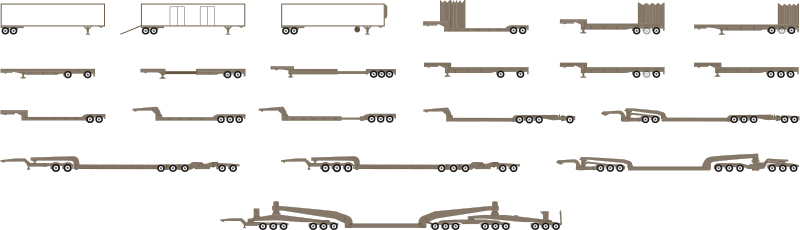
As transportation experts, freight brokers lean on their knowledge to help customers evaluate transportation options for their freight. One common instance where this comes into play is when the time comes to select the correct trailer type for each load.

graphic highlighting a wide variety of trailers


The ratio of the number of loads looking for a solution in a certain area to the number of trucks ready and able to haul them — referred to as the "load-to-truck ratio" — has a heavy influence on the price of getting freight moved.

With this knowledge and their understanding of the dimensional capacities of each trailer, freight brokers are able to expand their customer’s options beyond what’s immediately evident — saving them money.

Example

Let's say that you have a load of palletized rebar prongs that require protection from the elements in transit. On the surface, there are two obvious solutions for hauling this kind of freight:

T_11604_G_411117_Rick Steihauer01
1
Using an open-deck trailer with tarps
T_11604_G_411117_Rick Steihauer01-1
2
Using a Conestoga trailer


Both of these are competent solutions and do an apt job of moving palletized freight requiring protection from the elements. That said, in the interest of expanding their customer's pool of carrier options, a freight broker may consider a third solution:

IMG_20210626_075556888_Michael Yoes_G_532248
3
Utilizing a dry van trailer


You see, since this type of freight can be loaded from the back using a pallet jack or forklift, using a dry van to haul it is a perfect solution.

In recognition of this, the best freight brokers will be able to find the most cost-effective solution for their clients by leaning on their carrier partners. Carriers that offer services across open-deck, Conestoga and dry van trailer types.


Benefit #4:

The Flexibility You'll Be Afforded

Because of the firmly cemented carrier base at their disposal, freight brokers are able to offer flexible solutions to their customers in the form of service offerings.

From reefer transport to less-than-truckload (LTL) and heavy haul trucking, if you need to move some goods, it’s likely that your broker will be able to help identify available options.

Some of the greatest freight brokers are constantly looking to expand their offerings, to add additional services to their catalog. As such…

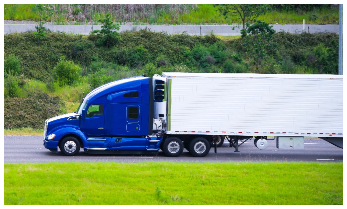
Modern dark blue semi truck reefer trailer profile on green road
IMG_5797_Kyle Jensen
IMG_8714_1
Screen Shot 2022-02-18 at 2.49.33 PM
the right partner can become your one-stop shop for all of your transportation needs.
Benefit #5:

The Visibility and Coordination They Provide

Logistics professionals have a lot going on throughout the day. Remember: a wise gal once said “managing a transportation supply chain isn’t simple these days” (where have I seen this before? 🤔).

Freight brokerages that are worth their salt know this. These companies understand the importance of putting the customer first, the important role they play in making their partner’s lives easier. And, at the end of the day, the freight brokerage you want in your corner is one that will remove stress from your day.

To do just that, freight brokers help coordinate transportation details and communication across the shipment process.

The duties they handle include, but aren’t limited to:
Scheduling pickups and drops
Filling out any necessary documents
Reviewing shipment paperwork and documentation
Identifying a solution that aligns with your shipment needs

Helping coordinate next steps when issues arise (truck breakdowns, bad weather, etc.)

Communicating in-transit details
Offering load-tracking capabilities on many loads
Moving your freight is complicated enough without your freight brokerage making it more difficult.

That said, trusting your provider's expertise to support your freight operations from start to finish can be a bit of a leap. The level of your involvement, however, is totally up to you.

Simply communicate your expectations and desires to your broker. The good ones will adjust their participation accordingly, giving you space where needed and assistance when requested.

It's really as simple as that.


Ok.

I think it's high time we talk about the elephant in the article. We simply have to discuss the common problems shippers run into when working with bad brokers.

Honestly, I’m not sure why you’ve been so set on avoiding it up to this point. . . sheesh 😏.

Graphic of two pieces of paper
READ THE FULL ARTICLE

The Top 5 Benefits of Using a Freight Brokerage


Chapter 8

What Are the Disadvantages of Working with a Freight Brokerage?

Not everything is always rainbows, unicorns, Reese’s Pieces and butterflies, my friend. I’m sure even Brad Pitt has a blemish here or there — though I fail to see one from where I'm sitting (what a dreamboat).

Yes, it’s fair to say that not every freight brokerage is created equally.

There's certainly a bad seed (or 2,000) out there.


And unfortunately enough, companies with these tendencies fail on their customers frequently enough that we’ve been able to compile a well-established list of common challenges.

That said, not every disadvantage you’ll run into when working with a brokerage is the same. Some pop up on an individual scale while others are simply due to the nature of this business. All of them, though, are important for shippers like you to note so that you can avoid their impact on your supply chain in the future.

Top 5 Problems
you may run into when utilizing a freight brokerage for your shipments:
1
Communication issues
2
Insufficient quality of service
3
Their ability to stand by their quoted rate
4
Accountability issues
5
Inability to guarantee capacity

For your benefit, I've also left some tips to help you avoid the impact of these problems should you run into them in the future. You deserve the highest level of service possible, but if you run into issues with a bad broker use these tips to help you through them.

Problem #1:

Communication Issues

Communication is key to a broker’s ability to do their job correctly.

Scratch that.

Communication is key to every relationship.


Just ask Ross and Rachel. . . too soon?

Often, though, freight brokers aren’t good communicators. Important information like pick-up and drop locations get lost in translation, consignees are misinformed about drop-off times and delays occur.

This leaves the companies that work with these shoddy brokers at a severe disadvantage.

They aren’t given the benefit of a brokerage that understands their needs. Instead, they’re left with little idea of what to expect after tendering their freight.

This is damaging to their entire supply chain as things are thrown off course due to a lack of communication on their transportation provider’s part.

Tips for avoiding brokers with communication issues:

Be sure that your broker communicates with you from the start. Ask them plenty of questions about their load-tracking capabilities and track record moving your commodity. Request a single point of contact and get that person's information.

Gauging the way they respond during your initial interaction will help you avoid this costly problem.

Problem #2:

Insufficient Quality of Service

Before anything else, freight brokers are service providers. Offering their service at a high level — a level that saves their customers money — is the only way they keep the lights on.

That said, this industry is full of companies that offer freight brokerage services well below par.

Brokers like this consistently fail on their customer’s freight, make it difficult to get an explanation as to why and up-charge their customers unnecessarily. Too often, good companies fall victim to brokers that are looking to solely turn a profit at their expense and nothing more.

Luckily, brokers like this rarely stick around long. Without offering consistent service, their customers have no reason to bring them repeat business. As a result, these businesses — which sometimes amount to no more than an individual with a computer and time to kill — are scrubbed from the marketplace.

Tips for avoiding brokers with poor service quality:

Before you fall into the arms of an unworthy brokerage, be sure to select a partner with a long history of operation. This industry has low barriers to entry, making it easy for brokers to pop in and out at will. As such, make sure your broker has been around the block a few times.

Ask them for references of current and past customers — getting both is preferable.

Reach out to these companies and ask questions like:

What was/has been your experience with this broker?


What is their service level like?


Do they communicate well?


Have they been reliable?

Problem #3:

A Broker's Ability to Stand by Their Quoted Rate

Pricing in the transportation industry is dynamic.

Every day the going rates for trucking services change.


This makes standing by the rates they give customers, difficult for bad freight brokers that haven’t priced freight appropriately.

You see, many times freight brokers don’t give the shippers they’re working with accurate pricing details. This is done in an effort to win their favor, secure their business and achieve some short-term gains.

And since many companies see their transportation dollars as solely an expense, they select the cheapest option; an option that usually takes the form of a freight brokerage with low overhead costs.

Since these brokerages — that seemingly only care about making a quick dollar — don’t ask for the amount of money needed to actually secure a truck for their customer’s freight, they do one of two things:

1
Come back to their customers later asking for more money.
2
Fail on their customers’ load, leaving them hanging and scrambling for a plan B.

Both of these options are damaging to the health of a shipper-broker relationship. As such, these partnerships inevitably fail. Leaving some companies without a solution for their freight and the burden of paying for a last-minute truck.

Tips for avoiding this issue:

Ask your broker how they price your freight and what they do when the market fluctuates. Before you give them your business, make sure they have reliably moved freight like yours before. To verify this, ask them what their track record is for moving these kinds of goods.

Competent freight brokers have nothing to hide and will supply this information willingly.

Problem #4:

Accountability Issues

Not every brokerage is cut from the same cloth. Even though a strong brokerage will stick by your side until your freight is delivered, the bill of lading is processed, and the job is done, some won’t.

Brokers that give all of us a bad name are out there.

These providers slink into the shadows while there’s still work to do before a load reaches its destination and their obligation to it is finished.

While good brokers will pick up the phone and find their customers a solution when things go wrong, the bad ones abandon their partnerships.

Instead of finding their customer a power-only solution for a decommissioned truck — a truck that they arranged — a bad broker may wash their hands of the situation.

If you’re anything like me, personal and professional accountability is non-negotiable in the partners I engage with. That said, there are plenty of companies that simply don’t value these things. You’ll want to steer clear of them.

Tips for avoiding brokers with accountability issues:

This is where asking for references before you ever do business with a broker is key. Learn from their past customer experiences by finding out what their interactions with this brokerage were like, did they step up when something went wrong? Find out by asking for references.

Additionally, you’ll want to question your potential brokerage about what they do when something goes wrong on a load. It’s the trucking industry; there are a lot of unknowns and things are bound to go wrong from time to time. A credible broker that values accountability won’t duck these questions. Instead, you’ll walk away with a far deeper understanding of their character, processes and culture.

Problem #5:

Many Freight Brokers Can't Offer "Guaranteed" Capacity

This one is more universal than the others. In fact, you’ll find that it’s difficult for most trucking companies — freight brokers or not — to definitively “guarantee” capacity for their partners.

Freight brokerages in particular simply aren’t able to point to a driver and dispatch them to their shipper’s load. It’s just not possible. Many of them don’t have any physical trucking assets of any kind, and those that do often struggle to guarantee one for their customers.

As such, if you’re looking for a company with a truck ready, willing and waiting to pick up your freight “forced dispatch” style, you’ll be disappointed by your freight brokerage.

Tips for avoiding this issue:

There are two things you can do to combat issues with a brokerage’s inability to “guarantee” a truck for your freight.

First, be sure to pick a brokerage with a sizable carrier network. The more options your broker has to choose from, the more likely it’ll be that they can find a truck for your needs.

Second, when it comes to finding your freight a solution, lead time goes a long way. Be sure to give your broker 24-72 hours of warning prior to the moment your freight needs to load. Doing so will grant them enough time to find you a solution that aligns with your shipment needs.

Graphic of two pieces of paper
READ THE FULL ARTICLE

Top 5 Problems With Freight Brokerages (+ Solutions)


Common Freight Brokerage Misconceptions

At this point, we’ve covered just about all of the high-level information you need to know about the freight brokerage business. From how a freight broker finds the carriers in their network to how they make money, you’ve put in some time reading this.

However, I don't want you to walk away from this guide with any knowledge gaps.

Setting this guide down and continuing on without truly understanding whether a freight brokerage is the right partner for your business would be a travesty.

Graphic of classic telephone game

That said, you’ve probably heard some things about the shortcomings of freight brokerages in the past. And even if you haven’t yet, it’s likely you will. You see, the business of brokering freight is given a bad reputation in this industry based on eight common misconceptions.

Misconceptions that aren’t universally true.

Similar to how the phrase “Hannah ate a lemon meringue sandwich” turns into “Nana made a silly mundane bandwidth” during a round of telephone, these myths about freight brokerage become warped over time.

In the interest of transparency


…let’s talk a bit about each of them so that you’re not caught off guard when they pop up in the future.

8
Most Common
Misconceptions

shippers have about

freight brokerages are:

1
Freight brokers are motivated to charge their customers more and carriers less.
2
Brokers don’t review carrier information, they’ll work with whomever they can get.
3
Brokers can’t hold their carriers accountable.
4
It costs more to work with a brokerage than an asset carrier.
5
Brokers bid low on lanes to get business but can’t follow through.
6
Brokers respond slowly when things go wrong.
7
Brokers can’t provide load-tracking capabilities.
8
Brokers aren’t efficient at finding truck capacity.

Based on what you’ve already learned about this business, you should be able to see past these myths on your own but let’s quickly bust them anyway.

Adam Savage and Jamie Hyneman better watch out, we’re about to give them a run for their money.


Misconception 1:

Freight brokers are motivated to charge their customers more and carriers less

This misconception is based on the fear that freight brokers are only concerned with turning a profit on their customer’s freight. Shippers who hold this belief worry that they’re overpaying for their cargo simply because a freight brokerage wants to make some extra margin dollars at their expense.

This is not universally true though. As you now know, freight brokerages turn a profit by saving their customers money on the loads they’re given. In doing so, a broker’s gross margin grows as repeat business flows from an initial job well done.


Misconception 2:

Brokers don't vet carriers; they'll work with whoever's available

Although this may apply to some of the worst brokerages that don’t prioritize safety in their network, this blanketed statement doesn’t apply to the industry as a whole.

A good brokerage's carrier onboarding process includes thorough documentation review, system checks, and defined internal criteria. Carriers are reviewed against internal onboarding requirements before being used, and carriers are re-evaluated when issues arise.


Misconception 3:

Brokers can't hold their carriers accountable

While it’s true that a freight brokerage doesn’t physically control any of the trucks, trailers and drivers arranged to transport their customer’s freight, this misconception is just that — misconceived.

You see, trucking companies are constantly working to get the most out of their owned equipment assets; their investments. Maintaining a healthy relationship of give and take with their brokerage partners helps them substantially toward this end.

And so, freight brokers — especially the most successful ones —  play an important role in supporting the performance of their carrier networks.  And, should a carrier boast a history of falling through on their commitments, good brokers simply move on to the next — more reliable — carrier.


Misconception 4:

It costs more to work with a broker than an asset carrier

This one seems like it would make sense. I mean, the companies that actually own the trucks needed to move your freight should be able to price freight more competitively than a broker, right?

Actually, not always.

Since brokers — by utilizing their network — can extend their reach beyond a single fleet of trucks and trailers, their price elasticity can be greater than an asset company’s.

Purchasing a fleet of trucks and trailers and employing their drivers is a hefty expense that many trucking companies need to justify. As a result, the price of using a carrier’s assets — especially in a tight market — can get hefty.

As such, it’s not always true that sticking with an asset company will be less expensive. In fact, good freight brokerages can measure your needs against overall market conditions and pick your best fit solution from the field. This level of visibility can turn into cost savings.


Misconception 5:

Brokers bid low on lanes but can't follow through

As you’ll learn, some freight brokers — companies without regard for courtesy or the value of following through — solely work to underprice the competition.

These businesses carve out a niche — their very own blue ocean — by offering freight brokerage services at what seems to be a discount. Unfortunately, the shiny price tags that these brokers offer simply aren’t enough for them to actually follow through with your delivery.

Simply put, the price of getting freight moved is the price of getting freight moved. This price may increase as you give your provider less time or based on current market conditions. As such, bargain-basement prices — especially when offered by a freight brokerage — aren’t reliable.

Sure, this misconception may be true of the worst brokers but it’s not universally applicable. The best brokers alway price freight based on what it’ll take to execute each shipment. Nothing more, and certainly, nothing less.


Misconception 6:

Brokers respond slowly when things go wrong

The tedium of the workday can drag on. . . and on for workers in most industries. This isn’t true of the business of freight brokerage. It’s fast-paced. And in an industry like transportation — a world subject to a number of variables — sometimes, things go wrong.

Even though it’s true that brokers don’t have a physical “power-only” solution for their customers' freight following a truck breakdown, for example, it doesn’t mean they won’t find a timely solution.

Good freight brokers are true masters in their craft;

This includes responding to issues in a hastened manner. By leaning on their network of partners in your load’s area, your broker can help coordinate communication and next steps.


Misconception 7:

Brokers can't provide load tracking capabilities

A broker's load-tracking ability depends on carrier participation and the technology used for the shipment.

Only truck drivers can decide whether they’ll allow a freight brokerage in-transit visibility and — for whatever reason — many don’t.

Since load-tracking is such a valuable tool, freight brokers rely heavily on the trucking companies that grant them this level of visibility. Though some carriers don’t let brokers employ load tracking using ELDs or mobile applications, many do.

You see, offering these capabilities increases the value each carrier brings to a broker's network which, in turn, increases the likelihood that a broker will bring them freight.

More often than not, freight brokers utilize companies that give them load-tracking capabilities. If you’re looking to utilize these capabilities on your load, ask whether the brokerage can provide them.

Misconception 8:

Brokers aren't efficient in finding truck capacity

Trucking companies find and supply trucks for their customer’s freight by understanding the competencies of their network and the needs of their drivers. The more trucking companies plan and communicate with the shippers they work with, the better off they are.

Good freight brokerages succeed in a lot of the same ways. Through transparent communication about their competencies and where expectations should be set, brokers provide their service at the level their customers need.

And, should an area of weakness rear its head,

 
the best brokerages work to expand their reach by adding additional carriers to their fold.
Timing is everything in most industries.

Good brokers know this and work to make the lives of shippers smoother, day in and day out.

 
Graphic of two pieces of paper
READ THE FULL ARTICLE

Can I Trust a Freight Broker? (Debunking 8 Freight Brokerage Myths)


Chapter 9

How to Pick the Right Freight Brokerage for Your Business

Finding your right-fit brokerage won’t be the easiest thing you’ve done. Heck, it might not even make the top 10. You see, many shippers hit stumbling blocks along the road to finding a partner.

That said, choosing a great freight broker is far from impossible and, when done correctly, is certainly worth the effort.

Here at ATS Logistics, we’ve been around for over three decades. And, in our experience working with shippers across the nation, there are five overarching things shippers need to understand about every freight broker they utilize.

These 5 Things

shippers must understand in order to select

the right brokerage for their business are:

1
What are this freight broker’s strengths?
2
What is the size of this freight broker’s network and what is their carrier selection process?
3
Does this brokerage utilize technologies and offer load-tracking?
4
What is this broker’s track record and are they reliable?
5
What are this brokerage’s overhead considerations?

The fact of the matter is, though, to gain an in-depth understanding of how each brokerage stacks up, you’ll need to lean in and ask them the tough questions.

You’ve got enough to worry about in your day-to-day life. There’s no need to let your freight brokerage add to this burden. Let’s go through each topic you’ll want to cover with your potential broker as well as some questions to guide your search.

It’s time to find a broker that’ll be with you through highs, lows and everything in between.


1. Understand Your Potential Broker's Strengths

Any successful partnership requires a comprehensive and mutual understanding of each party’s proficiencies. This makes working together and meeting your goals easier as you lean on your strengths where needed and theirs in areas that challenge you.

No one succeeds on their own. It’s as simple as that.

John Lennon’s guitar and songwriting skills coupled with Paul McCartney’s on-stage prowess and angelic vocals is what helped the two of them form The Beatles in 1957. Each of these men, without the other, would never have become the rock and roll icons they are today. They simply didn’t have the skillset individually.

Lennon and McCartney changed the course of music history by recognizing the other’s strengths and working together to create some of the world’s best music.

This pattern of two individuals working together to turn their individual strengths into a collective skillset is seen repeatedly throughout history, in some of the most impactful partnerships.

From William Procter and James Gamble, whose collaboration gave us household items like Tide and Bounty, to Orville and Wilbur Wright who partnered to give the whole world wings, the importance of leaning on and understanding your partner’s strengths cannot be overstated.

That said, great partnerships are borne of respect and understanding. Without acknowledging these things, even the most well-intentioned relationships flounder and, inevitably, fail.

This couldn’t be more true of the relationship shippers like you foster with their freight brokerage.

If you want to reach mutually beneficial pastures, you’ll need to understand where their strengths lie. This will help you determine where they fit in your supply chain, where they can help you and where they plainly can’t.

Question Checklist

Ask your potential brokerage the following questions:
 

"What are you good at?"

Why it's important to ask this:
Some brokers are excellent at moving dry van freight, others have a heavy network of open-deck carriers, while more still are great at servicing longer lengths of haul. Expect your brokerage to respond with a list of their core competencies so that you can decide whether they fit your needs.

What to look for: 
If you ship various types of freight and often need different kinds of trucks or trailers, find a brokerage that offers a wide variety of capacity across equipment types. You want a provider who will grow with you, having a breadth of offerings will help them do this. Whether you need multiple trailer types or not, make sure that they’re good at moving your type of freight.


"What type of freight commodities do you move most frequently?"

Why it's important to ask this: 
Brokers tend to lean into their strengths and as a result, move the same kind of freight frequently. Asking them about the type of freight they’re moving most often will give you an idea of their comfort level moving your commodity.

What to look for:
Look for a brokerage that is transparent about the type of freight they prefer to transport. Ask how they determine whether a carrier has experience hauling freight like yours. This will help you discern how they’ll perform as a potential partner and whether they have experience coordinating shipments like yours.


"What are you not so good at?"

Why it's important to ask this:
It can sometimes be difficult for anyone, brokers included, to admit where they’re deficient. By asking your potential partner this question, you’ll walk away with a far better understanding of what they’re not necessarily experts in. By truthfully answering this question, your broker will also be giving you a glimpse of the transparency that’ll come with working with them.

What to look for:
Brokers who are plainly truthful when you ask them this question make good partners. That said, even though you might admire their candor, don’t ultimately select a brokerage that says they’re not good at moving your freight just because you want to reward their honesty. At the end of the day, you need a competent partner.


"What are your preferred lanes?"

Why it's important to ask this: 
The routes and distances your brokerage services most frequently will give you insight into how large their reach is and whether their strengths in this respect will assist your business.

What to look for:
Look for a freight brokerage that services lanes that match your needs. For example, if the majority of your shipments are from Dallas to Houston, you won’t want a partner without experience, or network options for, moving goods along this stretch of Interstate 45.

2. Carrier Network Size and Selection Process

Step two in your freight brokerage selection journey is ensuring that when it’s time to get your shipment moving, they’ll have the resources needed to get the job done.

The last thing you want to do is give your freight to a broker who says they’ll find you a truck only to have them fall through because they didn’t have the capabilities or the network you needed.

Find a brokerage that has a sizable network of carriers in your area so you’re not left stranded without a truck at the time of pick up.

Additionally, the size of each broker’s network says a lot about their operations as a whole.

Think about this:

When entering into a partnership, especially one that you hope will be ongoing, dynamic and fruitful, do you want:

  1. A partner whose history displays a significant deficiency in their ability to maintain viable relationships and to find willing partners?
  2. A partner who continually adds new partners — who are eager and willing to share their business with them — while at the same time successfully maintaining relationships with other long-time associates.

I’m guessing the latter. This is why finding a brokerage that maintains and adds to their carrier network with diligence is key. Trucking companies won’t do business with a brokerage that doesn’t help meet their goals. Why should you?

The second step is finding a brokerage who reviews carrier qualification information, service history, and available compliance-related information as part of its carrier selection process. All of these are metrics for identifying a healthy trucking company and good brokerages know this.

Question Checklist

To help you find a brokerage with an established carrier network that meets your needs, ask them the following questions:
 

"How many carrier partners do you currently have?"

Why it's important to ask this:
There are more than 700,000 trucking companies in the U.S. and 98 percent of them have fewer than 20 trucks in their fleet. As such, brokers need to have many good companies in their network to serve their customer’s needs. That said, some brokerages have minuscule networks, while the largest have expansive networks of more than 100,000 partners. Although smaller brokerages may have their own niches and specialties, understanding the size of their network is an important factor in making your final decision.

What to look for:
Find a brokerage that has a network large enough to meet your needs. The more options your broker has to choose from the more likely they’ll be to find a truck for your needs at a reasonable price. Additionally, you’ll want to find a partner who prioritizes quality over quantity in their network, ask them how they manage different types of carriers. Keep in mind: having one carrier that aligns with your shipment needs and onboarding requirements is better than having a large network of carriers that don't support your operations.


"What is your carrier onboarding and review process?"

Why it's important to ask this:
Some brokers may prioritize quantity over quality. As such, it’s important that you don’t base your decision on the size of a brokerage’s carrier network alone. A documented carrier onboarding and review process will show you whether this broker truly cares about their customer’s freight. Do they have documented processes for reviewing carrier qualification information and operational fit? Let’s find out.

What to look for:
Look for a brokerage that closely reviews carrier's service history and qualification information, CSA rating, load count history, equipment type specialization and company history. All of these factors give brokers a good metric for evaluating carrier qualification information. Selecting a broker with a documented carrier review process can support more informed carrier selection and operational consistency.


"How old is your longest carrier partnership?"

Why it's important to ask this:
The length of their relationships should provide you a good indication of how this broker really performs as a partner with their carriers. Partnerships, especially in the fast-paced transportation industry, can be challenging to establish and even more difficult to maintain. The longevity of their longest carrier relationships will tell you whether this broker will put in the work when times are tough and come through for you when you need them.

What to look for:
Look for a broker with a demonstrated history of longstanding relationships. Brokers who don’t maintain long partnerships should be excluded from your search.


"How often are you adding new carriers to your network?"

Why it's important to ask this:
Great freight brokers, especially those with a growth mindset, are constantly looking to add valuable carrier partnerships to their networks. This helps these brokerages adequately compete in the marketplace and provide consistent service as their customers grow.

What to look for:
Find a brokerage that frequently looks to add great trucking companies to their network across equipment types in all areas of the country. These brokerages are expanding their offerings and core competencies — something you’ll likely want and need in a partnership.

3. Technology Usage and Load-Tracking Capabilities

We live in the digital age, a time in our country’s history where self-will runs riot on the back of countless technological tools built to help us in our day-to-day routines.

Did you know that there’s currently an egg tray on the market that sends push notifications directly to your cell phone to let you know when you’re running low on eggs?

Yep. . . Genius.

Just like the “Quirky Egg Tray” is designed to answer the question of “Do I have any eggs at home?”, the trucking industry has an abundance of tools and technologies available to answer questions like “Where’s my freight?” and “What’s this carrier’s track record for on-time deliveries?”

These technologies are designed to make the lives of shippers, carriers and consignees easier. Additionally, the technologies available to brokers make it easier to provide visibility to their customers and coordinate freight operations.

That said, not all brokerages use the latest and greatest technologies to help their customers thrive. Some brokers are resistant to them, while others simply may not have the resources to stay up to date. In either case, most of those without technology are simply unable to understand the advantages they can provide or how to utilize them correctly.

It’s vital that you find a brokerage that’s masterful in offering and maintaining progressive technologies if you want/need to use them. Beyond this, find a broker that has the ability and commitment to balancing technology with the one-on-one personal service you need.

There’s a time and a place for each, and a good broker will be able to provide both.

Question Checklist

Here is a list of questions that will help you determine whether a freight brokerage is technologically savvy enough to meet your needs.
 

"What load-tracking technologies do you utilize?"

Why it's important to ask this:
There is a wide variety of technologies available for a freight brokerage to track their customer’s freight while in transit. These technologies provide visibility to brokers and shippers alike, so that should something go wrong, they're able to coordinate communication and respond more quickly.

What to look for:
Look for a freight brokerage that utilizes electronic logging device (ELD) technologies such as Qualcomm, Omnitracs, KeepTruckin or Flex Fleet GPS to keep a careful watch on your load. Alternatively, phone applications such as TruckerTools, MacroPoint, DAT and Truckstop are great load-tracking mobile technologies many of the best brokers utilize.


"What technologies do you use to support shipment visibility and operational coordination?"

Why it's important to ask this:
Transportation involves many moving parts, and technology can support visibility, communication, and issue resolution throughout the process. That said, the stakes are high due to the size and weight of many shipments as they cruise down the highway.

As your freight moves down the road, it’s not just the value of the freight you’re moving that can be at risk, it may also be your public brand and reputation. As such, finding a partner with the appropriate transportation practices is very important.

What to look for:
Find a brokerage that utilizes automated systems that review carrier information against internal onboarding criteria. Find a brokerage that has defined internal processes and teams that support carrier review, communication, and issue resolution. Better yet, some go far beyond transportation by maintaining strong operational processes and a culture focused on continuous improvement. Most importantly, pick a freight brokerage that is upfront and honest with you about their safety practices and values.


"What is your process for staying up to date with technologies?"

Why it's important to ask this:
Technologies in this industry are continually being revamped and updated with new capabilities. As new technologies surface, it’s important to find a brokerage that continually tests, locates and progressively updates these systems.

What to look for:
Find a broker who not only responds to this question but is able to give specific examples of the last time they updated their technological offerings.


"Do you offer a customer portal?"

Why it's important to ask this:
The best brokerages offer their customers access to their load’s tracking information, timelines and various other information on easily accessible online customer portals. These portals streamline transparency and communication to help you track your load’s progress when and where it works for you so that everyone is on the same page.

What to look for:
Find a brokerage that offers strong shipment visibility and communication. If a customer portal will help you feel more comfortable, find a brokerage that offers one.

4. Freight Brokerage Track Record and Reliability Considerations

With over 17,000 freight brokerages in the U.S., selecting one with a good track record of on-time deliveries and customer service is important.

Often this can mean the difference between happy customers coupled with supply chain efficiency and your load’s inevitable failure.

As you may suspect, brokers who frequently fall off and don’t come through for their partners, don’t advertise these deficiencies.

You’d never let a dentist with a track record of malpractice give you anesthesia and remove your wisdom teeth.

Nor would you trust that your broke, gambling-addicted best friend is giving you reliably actionable financial advice when he tells you that picking the Jets to route the Buccaneers this Sunday is a “sure thing.”

So why would you pick a brokerage that doesn’t reliably come through for their customers?

That’s right, you wouldn’t.

That said, without knowing the warning signs, it can be difficult to discern whether a freight brokerage is truly reliable or not.

Question Checklist

To help you do so and avoid the mishaps, delays and frustration that accompany unreliable brokerage partnerships, ask freight brokers the following questions.

If for any reason, a brokerage has trouble transparently answering questions about their history, values and track record, this is a red flag. There are too many good brokers out there to waste time or get stuck utilizing the bad ones.


"What is your on-time delivery rate?"

Why it's important to ask this:
Great brokers will have a calculated rate for on-time deliveries. Asking them to give you their specific number should be an excellent way to tell whether they care enough about their customers to calculate this number and whether they’re good enough to boast it.

What to look for:
Find a brokerage who’s upfront and honest when you ask them this question. Their on-time delivery rate won’t be 100 percent but their answer should accurately display their capabilities and the dedication they show their customers.


"What is your experience moving my type of freight?"

Why it's important to ask this:
Often, brokers have networks of carriers that specifically cater to certain types of commodities more than others. Additionally, freight brokers sometimes avoid freight that they don’t have expertise in moving, as they can’t help these shippers adequately.

What to look for:
Look for a brokerage that has a demonstrated track record of successfully moving your specific type of freight. If they skirt the question or say they’re uncomfortable in their ability to help move your product, find one that is. If they vaguely hint that they’d be able to move your freight, ask them for references to verify that they can actually move your commodity.


"What processes do you use to support on-time delivery?"

Why it's important to ask this:
Although it’s not always possible, delivering freight to its destination on time is always the goal. As such, it’s important that you ask your freight brokerage about the steps they take to support customer timelines while accounting for factors that can affect transportation.

What to look for:
The right brokerage should smoothly answer this question by clearly stating the steps they take to get your freight delivered. This includes using internal review systems to find an available carrier for your load, tracking your shipment regularly, reviewing necessary paperwork and fees, and facilitating clear communication between all stakeholders.


"What do you do when something goes wrong?"

Why it's important to ask this:
This is trucking. Something is bound to go wrong eventually; whether it’s a truck breakdown in transit or severe weather offsetting your timelines, you’ll need to find a broker with a good process for finding a solution when things go south.

What to look for:
Find a broker who has a documented process for coordinating next steps to their customer’s issues. Follow up with questions about specific scenarios depicting when something went wrong and the steps they took to amend the situation. Or use some of your own past experiences with shipping when something went wrong and ask the broker how they would’ve handled it. Compare it to what actually did happen and whether it would have changed the outcome.

5. Freight Brokerage Overhead Considerations

A crucial piece of finding your right-fit freight brokerage that’s often overlooked is vetting this potential partner based on overhead metrics like:

Financial health
Number of employees
Size of company
Areas/regions of operation

Not all brokers boast the same level of financial stability, workforce quality or service area capabilities. A lot of brokers pop in and out of this industry frequently. This can make finding a stable one, with a solidly entrenched infrastructure, difficult.

You don’t want your brokerage to fall off the face of the earth when you need them to find capacity for you, especially with urgency. Some brokers offer stability to their customers and employees as well as warehousing services and offices throughout the nation.

Finding a brokerage that has a clear path forward without the crippling weight of unpaid debt and an under-compensated workforce will make for a fruitful partnership.

But how can you ensure that the sky isn’t falling in your potential partner’s operations like it did on Chicken Little all those years ago?

Question Checklist

Ask them the following questions and, if nothing else, the provider you select will have the financial capabilities and infrastructure needed to have your back when and where it counts.
 

"How long has your company been in operation?"

Why it's important to ask this:
The business of brokering freight doesn’t have high barriers to entry. Brokers pop up seemingly every day and often aren’t able to come through for their customers due to inexperience. Companies that don’t come through for their customers don’t succeed, which means that longevity in this business is earned and relatively speaking, pretty rare. New brokers pop up every day, but many disappear without a trace as well.

What to look for:
Pick a brokerage that has been in the industry for a substantial period of time. DO NOT select a brokerage that has been working in the transportation industry for a matter of months or a year. This isn’t enough time to develop competency.


"How many employees does your brokerage have?"

Why it's important to ask this:
Brokering freight isn’t a lonely business. Good brokers are always looking to expand. After all, properly managing many successful partnerships takes more than one or a few individuals. Brokers with good financial standing continually grow and aren’t afraid to add good people to their payroll when the situation calls for it.

What to look for:
Look for a brokerage that has many employees across many specialties. Ask them to describe how their workforce has changed over the past several months/years. Don’t pick a brokerage that is downsizing or has limited manpower resources.


"How do you make money?"

Why it's important to ask this:
Too often people aren’t sure how the freight brokerage business works and don’t understand how brokers make money while also moving their freight at competitive rates. Don’t be afraid to ask.

What to look for:
A good brokerage has nothing to hide. They provide a valuable service in helping you find the best-suited capacity for an affordable price. Many logistics professionals will attest that there is deep value in this kind of sustained partnership. Find a brokerage that quickly and transparently explains their gross and net margin figures as well as how they leverage their network to provide their customers competitive pricing while at the same time adding value.


"How are you structured?"

Why it's important to ask this:
Not all brokerages are modeled the same; freight brokerages come in all shapes and sizes, each with their own set of advantages and disadvantages for different sets of shippers. From traditional to agent models, it’s important that you understand the structure of your brokerage.

What to look for:
Find a brokerage who clearly and transparently tells you what kind of model they operate in and how this can benefit your business. You want your brokerage to see themselves as your right fit and their structure should match your needs.

Chapter 10

Arm Yourself With the Tools to Succeed


It’s been a pleasure describing the business I’m passionate about. Freight brokers are an essential piece of the world’s supply chain and if you add the right one to your network, you certainly won’t regret it.

I know that selecting the right one, however, can be difficult.

And during the selection process shippers sometimes make mistakes. Mistakes that lead to unhappy customers, failed loads, over-extended budgets and damaged partnerships. Needless to say, you’ll want to avoid these mishaps in your own selection process.

Over the past three-plus decades as a traditional freight brokerage, we’ve noticed a pattern emerge in the mistakes shippers make when selecting a bad brokerage. To help you become a supplier better prepared to meet customer expectations, we’ve put together a comprehensive guide for avoiding them.

Issues like shoddy reliability, inconsistent communication and problems stemming from feeling like just a number shouldn’t paint your freight broker experience in a negative light.

Download the Freight Brokerage Selection Checklist_CTA

Finally, should you have any additional questions, please don’t hesitate to reach out to us here at ATS Logistics. We are happy to answer questions and help you evaluate your transportation options.

Request a Quote