Key Takeaways:
- "Truck in hand" means a provider claims to already have a truck ready.
- It doesn’t guarantee coverage — and can sometimes raise your costs.
- The best strategy is to evaluate providers by process, track record, and communication.
In the transportation industry, the phrase "truck in hand" gets thrown around when deadlines are tight, stakes are high, and peace of mind is the top priority.
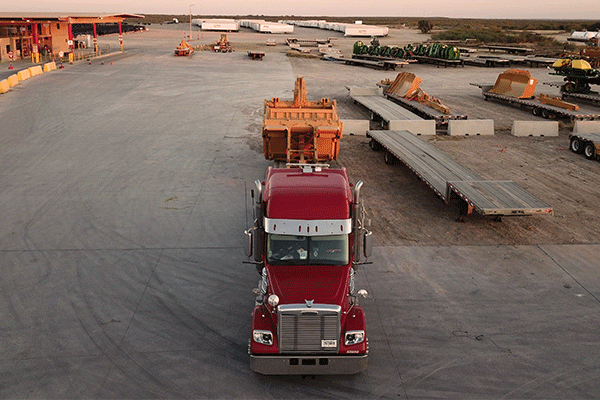
You may have asked for a truck in hand before and not even realized it. A “truck in hand” means a provider is claiming to already have a truck lined up and ready to move your load immediately — so if you've ever asked your provider whether they have capacity available right now, you're already familiar with the concept.
At Anderson Trucking Service (ATS), we're used to hearing "Do you have a truck in hand?" from shippers. Often, we've found the question comes from a place of anxiety about securing reliable coverage.
Maybe the shipper has been burned by flaky providers in the past. Maybe they simply believe that a truck in hand is the best way to cover the load.
Whatever the reason, it's our responsibility as their provider to address their concerns and find a solution that gives them coverage and peace of mind. Part of that responsibility includes doing our fair share of myth-busting, like answering the question: Does asking for in truck in hand actually guarantee capacity?
So, let’s explore what this phrase means and how it may impact your ability to secure freight coverage. By the time you're finished reading, you'll have a better understanding of what a truck in hand is and whether you really need one for your next shipment.
What Does "Truck in Hand" Mean in Freight Shipping?
In freight shipping, "truck in hand" refers to the idea that a provider has a specific truck confirmed and ready for your shipment.
Shippers may ask transportation providers for a truck in hand in an effort to address common pain points in their logistics operations, such as:
- Reliability: Confirming capacity upfront can feel like insurance against delays or service failures.
- Trust: Poor experiences with other providers can inspire extra caution, especially when requesting capacity from a new provider in your network.
- Peace of mind: When a provider can offer a truck in hand, it can lower some of the stress of managing a transportation supply chain.
These are all valid concerns. There's nothing more important to you as a shipper than your supply chain's ability to keep moving as planned; as such, a truck in hand request can seem like a no-brainer.
Before you ask, though, it's important to understand whether your provider is actually capable of delivering the benefits you're looking for.
Let's look at two common types of transportation providers — asset carriers and freight brokerages — and drill down into what they can offer in practice.
Asset Carriers and "Truck in Hand"
An asset carrier (a trucking company that owns and operates its own fleet) can sometimes offer what feels like a true “truck in hand.”
Because this type of carrier controls its own trucks and schedules, they can more confidently commit a truck without having to involve other providers. If they have an available driver and piece of equipment staged near your pickup, they'll likely say they have a truck in hand for you.
That said, even asset carriers face challenges like breakdowns, hours-of-service limits, or other factors that could pull that truck and driver away.
And if they don't have a truck and driver that meet your requirements ready to go when and where you call, you'll be right back where you started: looking for capacity, without any movement on your shipment.
So, while closer to a guarantee, a promise of "a truck in hand" from an asset provider is still not 100 percent ironclad.
Freight Brokerages and "Truck in Hand"
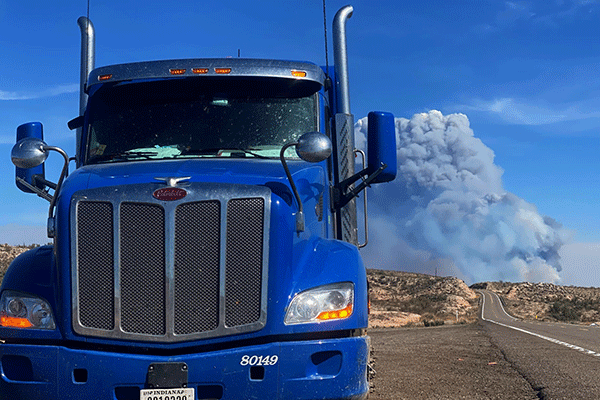
A freight brokerage doesn’t own assets. Instead, they source capacity from their carrier network.
Because they don’t directly control trucks, they can’t truly guarantee a truck in hand at the moment of your request. A broker that promises you a truck in hand is betting on the carriers in their network to come through with a truck when and where you need it — and you may not want to gamble when your supply chain is at stake.
With that said, if finding reliable capacity fast is your primary concern, a brokerage may still be your best bet. Freight brokers can give shippers access to a much broader network of options than any one carrier could provide (mega-carriers notwithstanding.)
A trustworthy brokerage will provide transparency into their coverage process, explaining:
- How they source capacity
- How they vet the carriers in their network
- How quickly they can cover your load
If their procedures and estimated turnaround time work for you, it's entirely possible that you could still receive the reliable capacity you've been searching for without having a true "truck in hand."
How Asking for a Truck in Hand Could Affect Your Shipment
It's completely understandable to want reliable coverage for your shipment, but requesting a truck in hand doesn't always guarantee better service.
Here are three things you should know about how asking for a truck in hand could impact your supply chain:
1. It May Increase Rates
When multiple brokers are searching for a “truck in hand,” your load gets shown repeatedly to the same pool of carriers — carriers who may spot the overlap and raise rates above market averages as a response to the perceived demand.
2. It Doesn't Guarantee Capacity
While "truck in hand" has become a kind of unofficial shorthand for guaranteed capacity, it is not a true guarantee.
Even if a provider has a truck confirmed, trucks fall through due to schedule changes, breakdowns, or higher-paying loads. What matters most is whether your provider has backup options ready should your truck become unavailable for any reason.
3. It Can Delay Coverage
Carriers prefer committed freight. If they sense a broker is “shopping around” for trucks, they may hesitate to lock in your load, leaving you waiting longer.
What to Ask Instead of "Do You Have a Truck in Hand?"
As you've likely gathered, a "truck in hand” doesn’t always provide the certainty shippers are seeking.
Instead of relying on that request, the ATS team recommends focusing on choosing a freight broker or carrier with a proven process, transparent communication, and dependable relationships.
Those are the qualities that can truly provide peace of mind when securing freight capacity.
So, to get real insight into a provider’s reliability, shift the focus and ask:
- How do you source capacity for this lane?
- What is your on-time delivery (OTD) rate?
- How do you handle last-minute changes?
- What visibility will I have once you book the load?
While a “truck in hand” sounds like certainty, the safer bet is evaluating how your provider handles coverage, communication, and contingencies when things don’t go as planned.
These questions will help you compare providers based on process and performance — not just a one-off promise.
FAQs About "Truck in Hand" Freight Shipping
Does asking for a truck in hand guarantee freight coverage?
No. Even confirmed trucks can cancel. Reliable coverage depends on a provider’s ability to quickly find alternatives.
Is “truck in hand” the same as guaranteed capacity?
Not exactly. Guaranteed capacity usually comes from dedicated fleets, contract freight, or strong carrier relationships — not a one-off confirmation.
Can both asset carriers and freight brokerages offer a truck in hand?
- Asset carriers sometimes can, since they control their own trucks. If they have equipment and a driver available, they may confirm a truck directly. Still, issues like breakdowns or scheduling conflicts can change that quickly.
- Freight brokerages generally can’t, because they don’t own equipment. Instead, they offer access to a broad network of vetted carriers and provide backup options if one truck falls through.
What’s the best way to secure dependable capacity?
Ask about a provider’s carrier vetting process, visibility tools, and on-time delivery record before you book a load with them. The answers to these questions will give you a more accurate picture of reliability.
Can asking for a truck in hand raise freight rates?
Potentially, yes. If multiple brokers shop your load for trucks in hand, carriers may raise prices after seeing duplicate postings.
Reliable Coverage, No Magic Words Required
The bottom line is that, while a confirmed truck for every shipment would be a beautiful thing, a “truck in hand” isn’t a magic guarantee of freight coverage.
No matter what type of transportation provider you're working with, all face the same reality: trucks can fall through. What truly protects your freight isn’t invoking the phrase itself, but the process, communication, and backup planning your provider brings to the table.
For you as a shipper, this means two things:
- Focus less on whether a truck is “in hand” and more on how your provider ensures reliable coverage.
- Use this knowledge to ask better questions and gain the peace of mind you’re really looking for.
At the end of the day, choosing a provider with strong carrier relationships, clear communication, and proven follow-through will have a far greater impact on your shipping success than chasing the promise of a truck in hand.
If you’d like to learn how ATS Logistics sources dependable trucks and keeps your freight moving on time, reach out to us today. We’re here to help you ship with confidence.