KEY TAKEAWAYS:
- Back-to-school freight season now takes place earlier than 5-10 years ago, starting in late May and continuing through mid-September
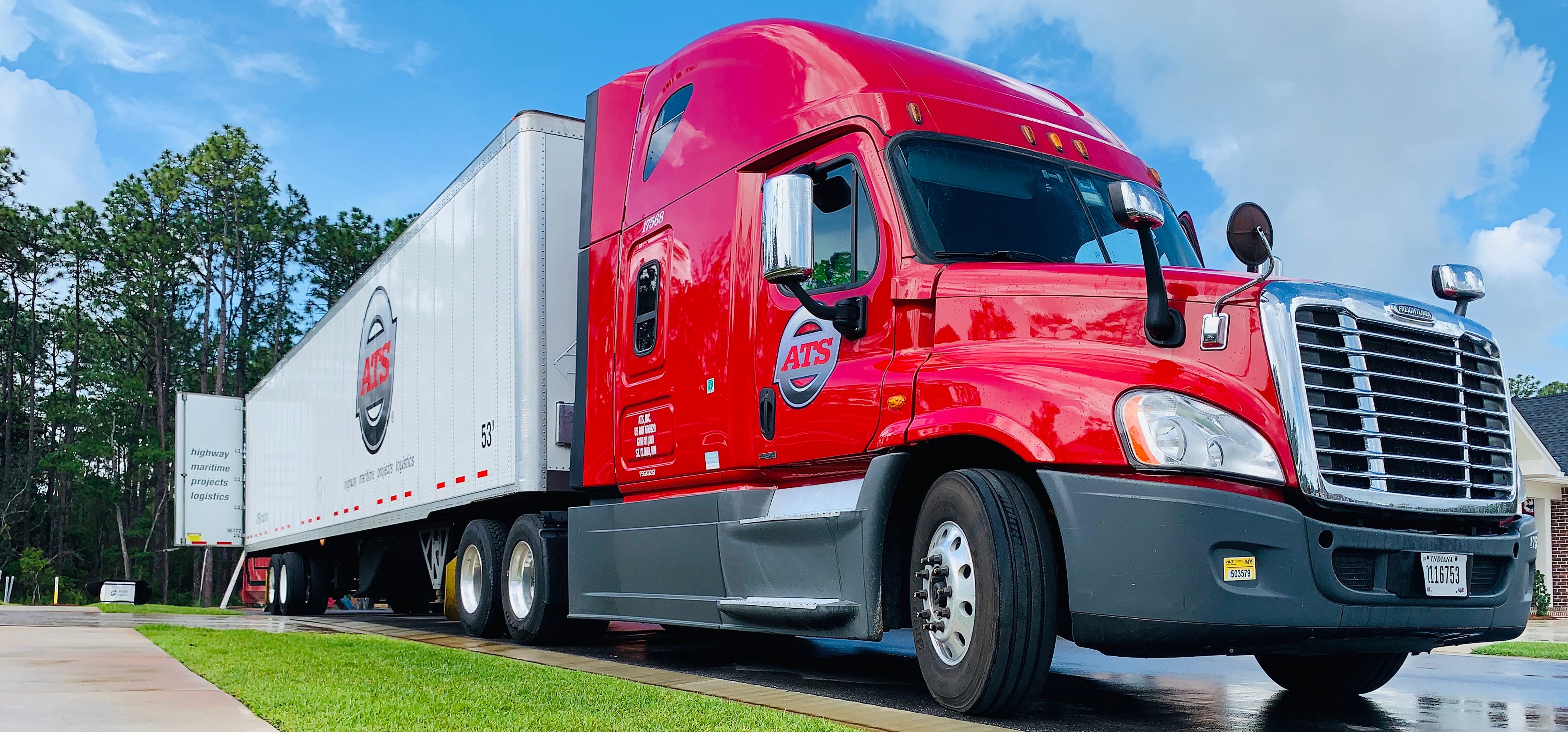
- Most back-to-school commodities are transported by dry van trailers
- Shippers may see tightened capacity and increased rates on dry van capacity due to back-to-school season.
- Strategies for shippers navigating the season include leveraging tech to develop smarter plans for inventory flow, communicating early and clearly with providers, and keeping an eye on both the national economy and retail market.
The phrase “back-to-school season” might call to mind aisles of spiral-bound notebooks, lunchboxes, and dorm décor, but behind the scenes, it actually signals one of the busiest freight surges of the year.
As the second-largest retail season in the U.S., this period can create a ripple effect across supply chains — especially for shippers vying for truck capacity in an already volatile freight market.
And if you’re thinking it’s all about August? Think again.
Anderson Trucking Service (ATS) has been in the transportation industry for 70 years. In that time, we’ve seen back-to-school freight evolve from the pencils and paper of the 60s to the Trapper Keepers and Book Soxs of the 90s and early 2000s to the laptops and tablets that fill carts today.
Along the way, we’ve observed the impact of this retail season year after year and have helped our customers navigate it (whether they’re shipping back-to-school items or not!)
In this article, we’ll break down when back-to-school freight season happens (spoiler alert: it’s getting earlier and earlier!), the types of commodities that move during this time, and how it all might affect you, your freight rates, and your ability to find capacity.
So, dust off those textbooks and calculators: ATS is taking you back to school. Let’s get started!
When Does Back-to-School Freight Season Happen?
Traditionally, back-to-school shipping began in early July, with retail sales peaking in August and trailing off by mid-September. But in recent years, the calendar has shifted —dramatically.
Today, many shippers begin moving their back-to-school freight as early as May. Yep, that means that while the rest of the country hunts for Easter eggs, some companies are already scheduling their first back-to-school shipments.
According to the National Retail Federation (NRF), over two-thirds (67 percent) of back-to-school shoppers had already begun purchasing items for the upcoming school year as of early July 2025.
There are a few key forces responsible for pushing the back-to-school season timeline forward:
- E-Commerce Growth: The e-commerce boom during the COVID-19 pandemic continues to drive faster, more responsive supply chains. According to the NRF, online sales are expected to account for 57 percent of back-to-school purchases this year. To keep up with consumers’ expectation of fast delivery of items purchased online, shippers must have inventory in place earlier than ever.
- Retailer Strategy: Retailers have adopted longer lead times to accommodate inventory cushions, mitigate risk, and meet shifting consumer expectations. This is helped in part by improvements in technologies like shipment management software, which has given shippers better data and forecasting with which to plan their inventory flow.
- Tariff Uncertainty: The looming possibility of trade tariffs are expected to trigger proactive shipping — and shopping — to avoid price increases, according to Reuters. At ATS, we’ve seen firsthand that shippers are choosing to front-load shipments that would typically be scheduled for later in the year in an effort to get ahead of any potential tariffs that might impact their bottom line.
In short: If you’re waiting until July to think about back-to-school freight, you may already be behind.

What Gets Moved During Back-to-School Season — and How
Most back-to-school freight falls into a few key categories:
- School supplies (Notebooks, pens, backpacks)
- Electronics (Laptops, tablets, calculators)
- Clothing and shoes
- Dorm room essentials
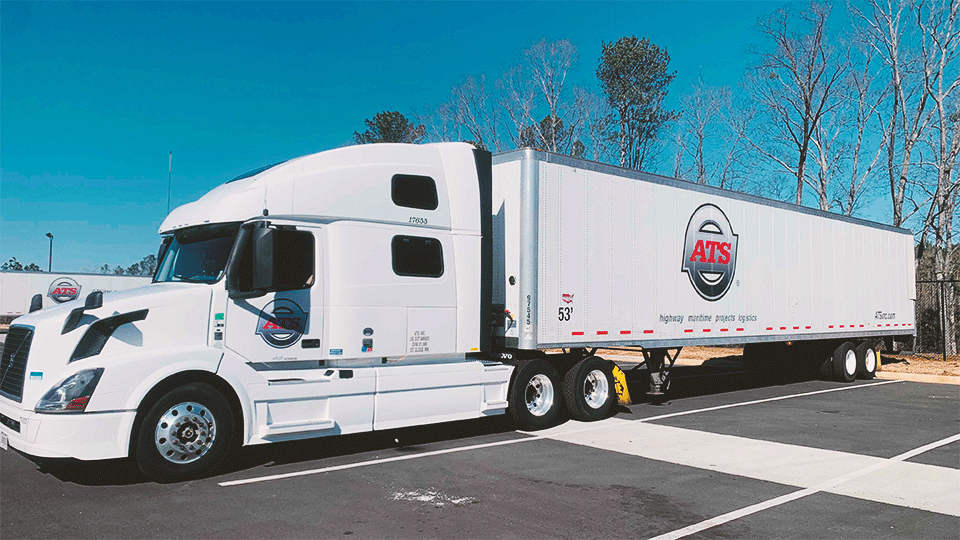
These products typically move in dry vans, and while some are imported via ocean freight (particularly electronics), the majority will eventually move across U.S. highways via truckload.
While these commodities are in high demand during every back-to-school season, shifts in schooling modes (in-classroom vs. virtual) has affected trends.
For instance, during the COVID pandemic, tech commodities like laptops, tablets, and even headphones and keyboards were the hottest-ticket items. The latest fashions? Not so much.
Flash forward to 2025, and many schools have transitioned away from virtual or hybrid schooling and back to in-classroom learning.
According to a July 2025 forecast by Deloitte, families are expected to focus their spending on necessary items like clothing while reducing their spending on categories like technology and school supplies.
To break it down further, the NRF’s annual survey found that families with students in elementary through high school (K-12) in the 2025/26 school year are budgeting:
- $295.81 on average for electronics ($13.6 billion total)
- $249.36 for clothing and accessories ($11.4 billion total)
- $169.13 for shoes ($7.8 billion total)
- $143.77 for school supplies ($6.6 billion total)
Similarly, families with students in college are planning on spending:
- $309.50 on average for electronics ($20.7 billion total)
- $191.39 for dorm or apartment furnishings ($12.8 billion total)
- $166.07 on clothing and accessories ($11.1 billion total)
- $140.24 on food ($9.4 billion total)
- $117.95 on personal care items ($7.9 billion total)
As you can imagine, this influx of seasonal volume doesn’t just affect retailers. It also tightens available capacity for everyone, regardless of what types of commodities you ship.
How Back-to-School Freight Season Impacts Rates and Capacity
While the intensity of the back-to-school surge has softened compared to 5–10 years ago, its impact is still very real, especially for shippers moving freight in late spring and early summer.
May and June are already busy months in the dry van market, and the creeping impact of back-to-school freight has only increased the pressure. That means truck availability tightens, spot market rates often tick upward, and lead times grow.
By July, the picture shifts. Many transportation providers and shippers take time off, and demand can soften slightly. But by then, much of the “first-mile” activity — getting product from manufacturers or ports to distribution centers — is already complete.
What follows is the “middle-mile” (to store distribution centers) and “final-mile” (to retail locations or consumers), both of which still create friction in the freight market toward the middle-point and end of summer.
For shippers in sectors unrelated to back-to-school retail, this seasonal surge can cause unexpected delays and rate spikes, especially if you’re shipping near dense metro areas or relying on just-in-time delivery.
Strategies for Shippers Navigating the Season
Whether you’re shipping school supplies or not, staying ahead of the seasonal squeeze is vital. Here’s what we recommend:
- Plan Early: With freight moving earlier each year, get your forecast in early and secure capacity before the market tightens. If it’s in your budget and infrastructure to leverage digital tools and analytics to inform your planning, do so.
- Communicate Clearly: Let your carriers or transportation providers know your constraints as soon as you can — especially if you must have strict pickup/drop-off windows or any other limitations.
- Stay Flexible: The more flexible you can be with equipment type, appointment times, or routing, the more options you’ll have when capacity tightens.
- Watch the Market: Keep tabs on tariff news, e-commerce trends, and retail forecasts. Even if your product isn’t seasonal, market shifts can still affect your transportation costs. Stay informed, stay ahead.
Be a Star Student of Seasonal Trends: Plan Ahead
Back-to-school freight season may not make headlines like the winter holidays, but it’s a crucial — and increasingly complex — part of the annual freight cycle.
For shippers, understanding its timing and impact is key to avoiding surprises, controlling costs, and keeping freight moving when the market heats up.
If you're seeing shifts in your freight activity this summer, back-to-school season may be part of the equation. The earlier you plan, the smoother your season will be.
And speaking of planning: every year, ATS publishes our Freight Shipping Calendar, a free, downloadable guide to the best and worst days to ship each month.
It provides year-at-a-glance insights on when shipping will cost the most, so you can avoid those days as you plan out your flow of freight.
You can download the 2025 Freight Shipping Calendar for free now to use as a guide for your Q4 shipments, and be sure to keep an eye out for next year’s calendar coming soon!