Resources & Insights
Freight Market Forecast: Are Shipping Costs on the Rise in 2026?
The transportation industry entered 2025 carrying familiar baggage: soft demand, excess capacity, and a persistent sense of uncertainty that had defined the market for the prior two years.
Confused By New USTR Port Fees? What Shippers Need to Know
10 Busiest U.S. Ports (and How to Choose One)
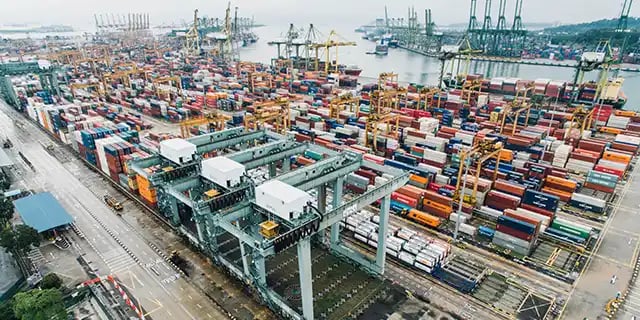
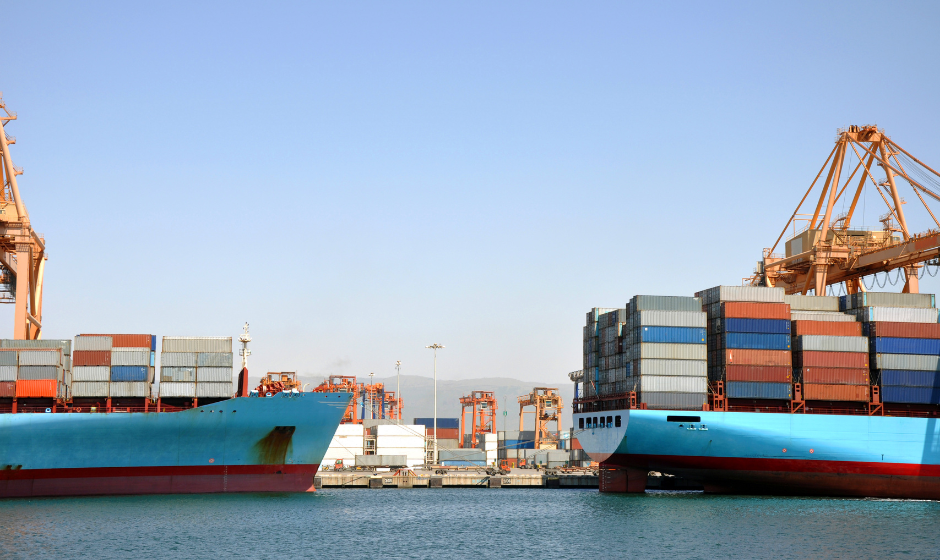
In its 2024 Review of Maritime Transport, the United Nations Conference on Trade and Development (UNCTAD) states that marine vessels carry a whopping 80 percent of global trade — a statistic which reflects maritime transportation’s overwhelming and ever-growing impact on international commerce.
Everything You NEED To Know About Tariffs
Tariffs in 2026: What Shippers Need to Know About Costs, Supply Chains, and Strategy
Freight shippers are no strangers to uncertainty. And right now, tariffs are one of the biggest unknowns hanging over the industry.
Top 8 Global Freight Forwarders in 2025 (And How to Choose a Provider)
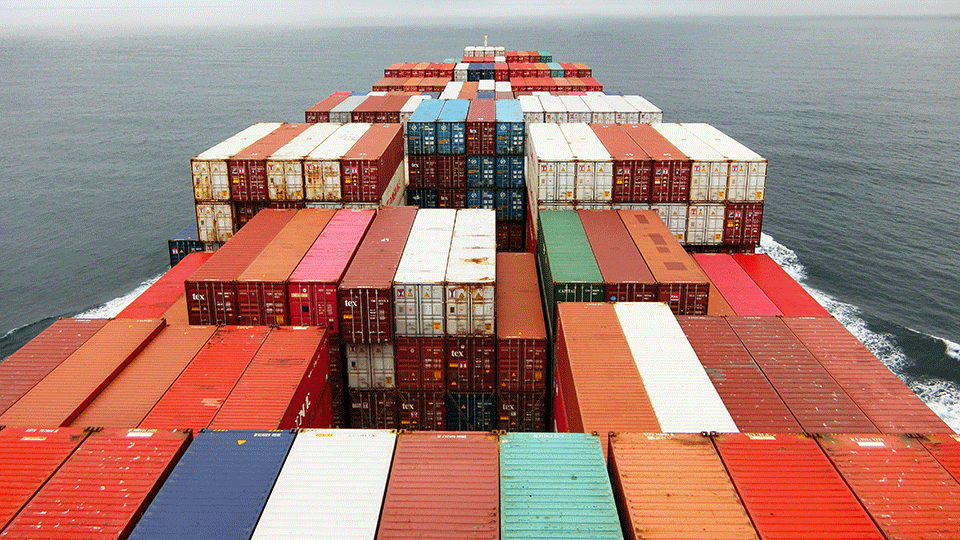
According to Statista, the volume of seaborne trade reached nearly 12.3 billion metric tons in 2024. With so much cargo to move (and so much profit on the line), who do shippers trust to safely shepherd their freight through international waters?
How Foreign Trade Zones (FTZs) Help Shippers Reduce Tariffs & Cut Costs
Key Takeaways:-
A foreign trade zone (FTZ) allows companies to defer, reduce, or eliminate customs duties on imported goods.
-
Using an FTZ warehouse or yard can reduce tariff costs by allowing assembly or manufacturing before duties apply.
-
FTZs provide operational flexibility, especially for complex supply chains importing multi-component goods.
-
Bonded warehouses offer simpler compliance but fewer manipulation options and limited storage duration.
Is My Cargo Safe? Freight Security Tips for Global Supply Chains

The fear of cargo being lost, damaged, or otherwise compromised in transit is a common one. For shippers with international supply chains, these anxieties are intensified by unpredictable factors like war and geopolitical tensions, tariffs, piracy, natural disasters, and more.
Infographic: Transloading vs. Cross-Docking
Transloading vs cross-docking — what's the difference?
While both are commonly-used logistics methods, the difference between transloading and cross-docking is their purposes.
Transloading focuses on transferring goods between different modes of transportation, often with additional handling steps, while cross-docking focuses on quickly moving goods from inbound to outbound trucks with minimal storage time.
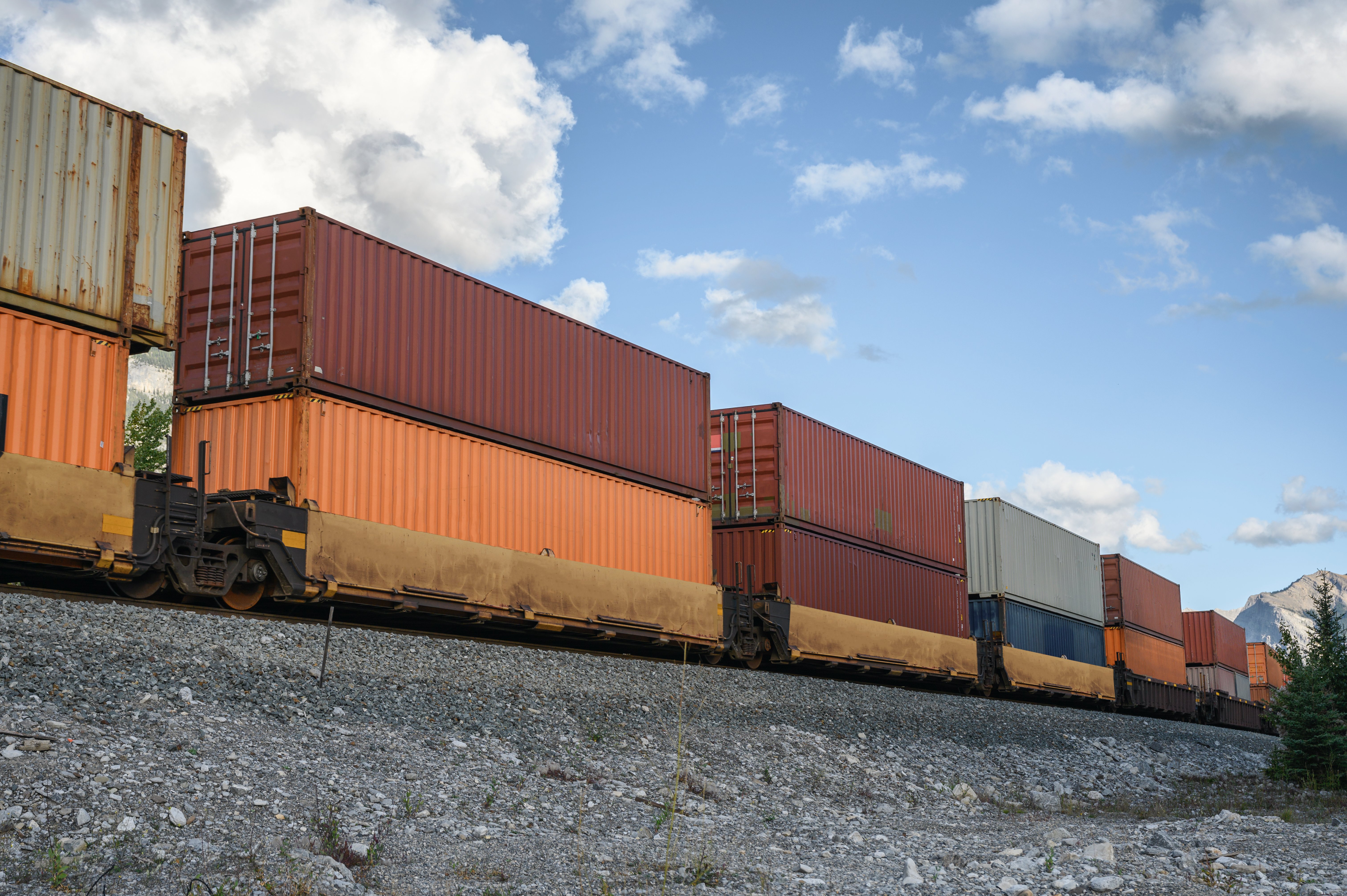

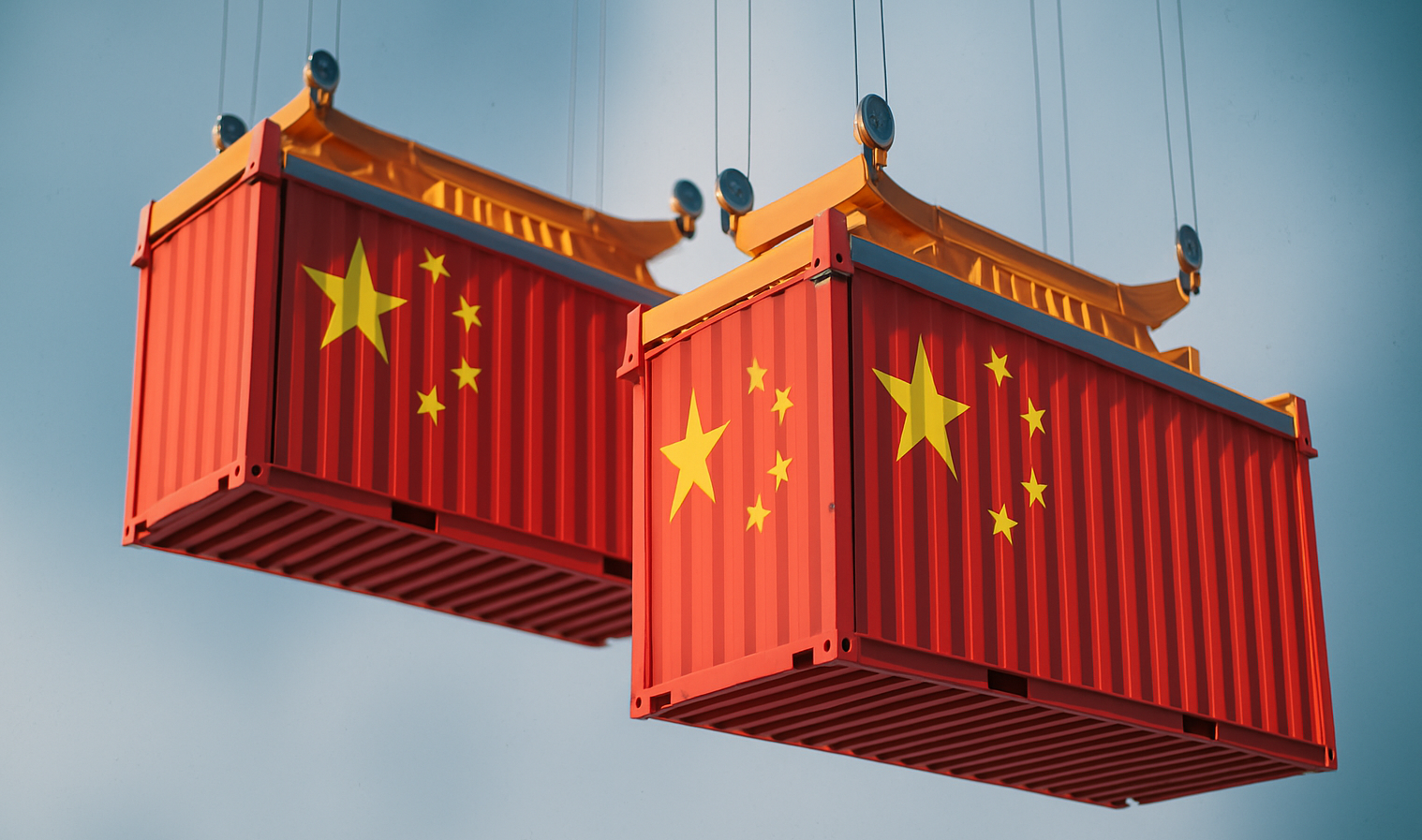
10 Busiest U.S. Ports (and How to Choose One)
In its 2024 Review of Maritime Transport, the United Nations Conference on Trade and Development (UNCTAD) states that marine vessels carry a whopping 80 percent of global trade — a statistic..
Tariffs in 2026: What Shippers Need to Know About Costs, Supply Chains, and Strategy
Freight shippers are no strangers to uncertainty. And right now, tariffs are one of the biggest unknowns hanging over the industry.
Top 8 Global Freight Forwarders in 2025 (And How to Choose a Provider)
According to Statista, the volume of seaborne trade reached nearly 12.3 billion metric tons in 2024. With so much cargo to move (and so much profit on the line), who do shippers trust to safely shepherd their..
How Foreign Trade Zones (FTZs) Help Shippers Reduce Tariffs & Cut Costs
Key Takeaways:
A foreign trade zone (FTZ) allows companies to defer, reduce, or eliminate customs duties on imported goods.
Using an FTZ warehouse or yard can reduce tariff costs by allowing..
Is My Cargo Safe? Freight Security Tips for Global Supply Chains
The fear of cargo being lost, damaged, or otherwise compromised in transit is a common one. For shippers with international supply chains, these anxieties are intensified by unpredictable factors like war and..
.png)