Resources & Insights

As winter fades and spring takes hold, the freight market undergoes seasonal shifts that can impact your supply chain.

September is historically a busy month for shippers and transportation providers. But this year, “busy” might be an understatement.

November is a bridge between seasons — and an on-ramp to holiday shipping pressures. For shippers, it’s a month of tight capacity, shifting demand, and scheduling complexity.
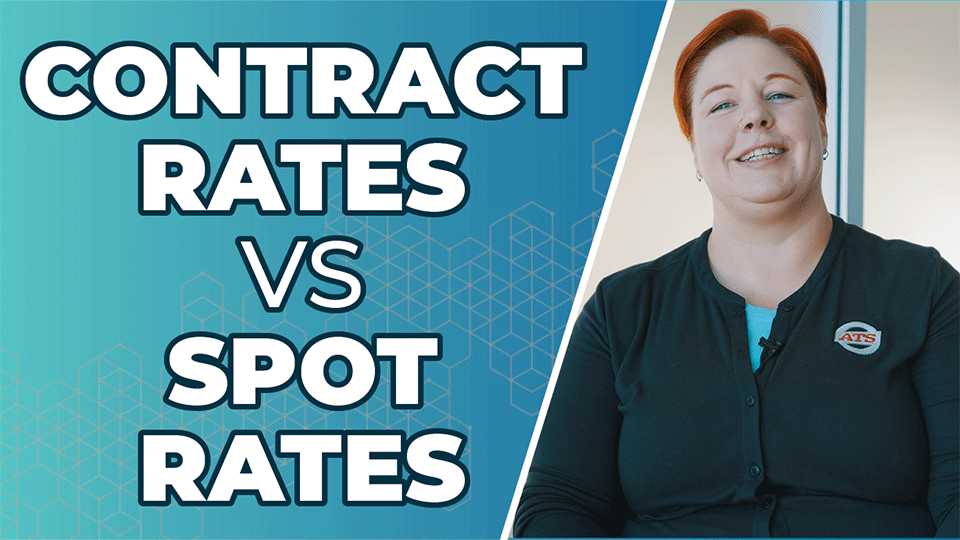
The first step in arranging a shipment is to reach out to a carrier or broker and receive a rate. With just that information, you can decide which provider is best for you based on the competing interests of cost, timing and customer service.

You have a lot on your mind every time a shipment needs to pick up. Mainly, you’re concerned with getting products where they need to go on time and damage free. Maintaining your transportation budget — and not overpaying — is a secondary thought, but just barely.
There are a vast array of surcharges in the trucking industry. Commonly referred to as “accessorial” charges, these fees are meant to compensate trucking companies for any extra work they do — or inconvenience they experience — while fulfilling a shipper’s service order.

Negotiating is a huge part of any logistics professional’s job. Though this takes many forms, you probably negotiate most when tendering shipments to carriers.
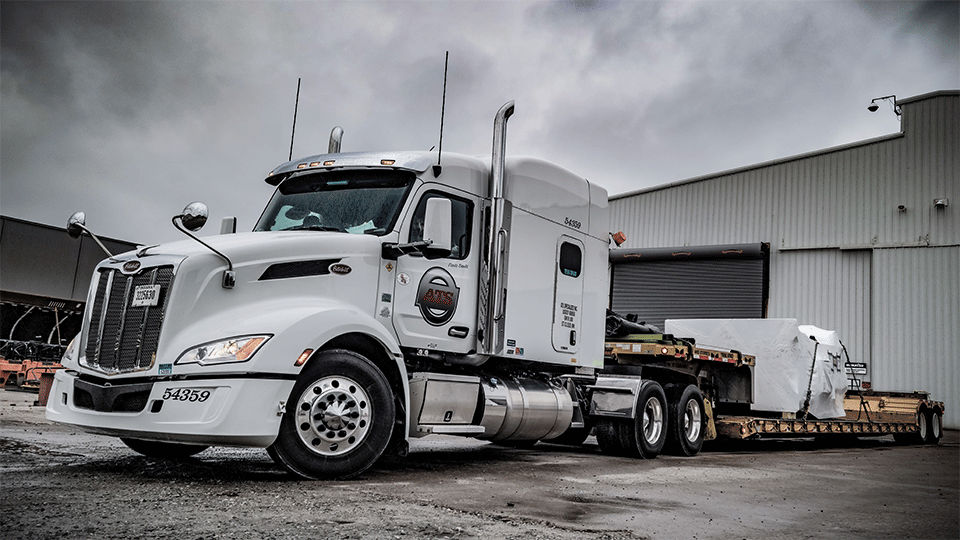
Your job, although straightforward (to keep freight flowing to and from your company’s door) isn’t always simple. Logistics professionals are also charged with overseeing their company’s transportation spending — a role that’s not for the faint of heart.
You value great service. That’s why you constantly strive to build a transportation network of dependable companies. It’s nice to know your bases are covered; that when the time comes, the arrangements you made for your freight will hold.