Resources & Insights
You can engineer every square foot of a data center perfectly. But if transportation isn’t planned beforehand, your project timeline may still be at risk.
When it comes to shipping, accurate measurements aren’t a nice bonus — they’re the baseline of your supply chain’s success.
The transportation industry entered 2025 carrying familiar baggage: soft demand, excess capacity, and a persistent sense of uncertainty that had defined the market for the prior two years.
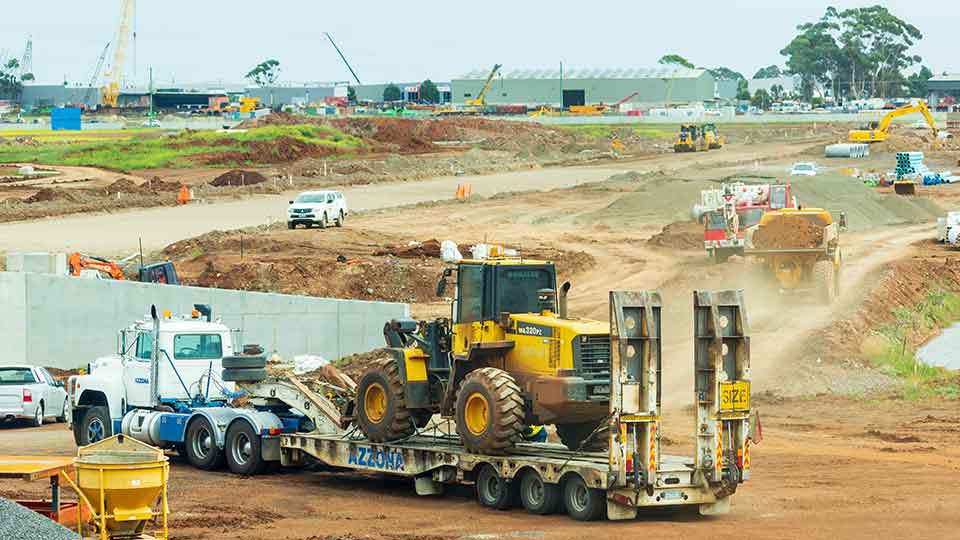
Compared to traditional freight, heavy equipment transport comes with greater risk, stricter regulations, and a steeper price tag.


The fear of cargo being lost, damaged, or otherwise compromised in transit is a common one. For shippers with international supply chains, these anxieties are intensified by unpredictable factors like war and geopolitical tensions, tariffs, piracy, natural disasters, and more.
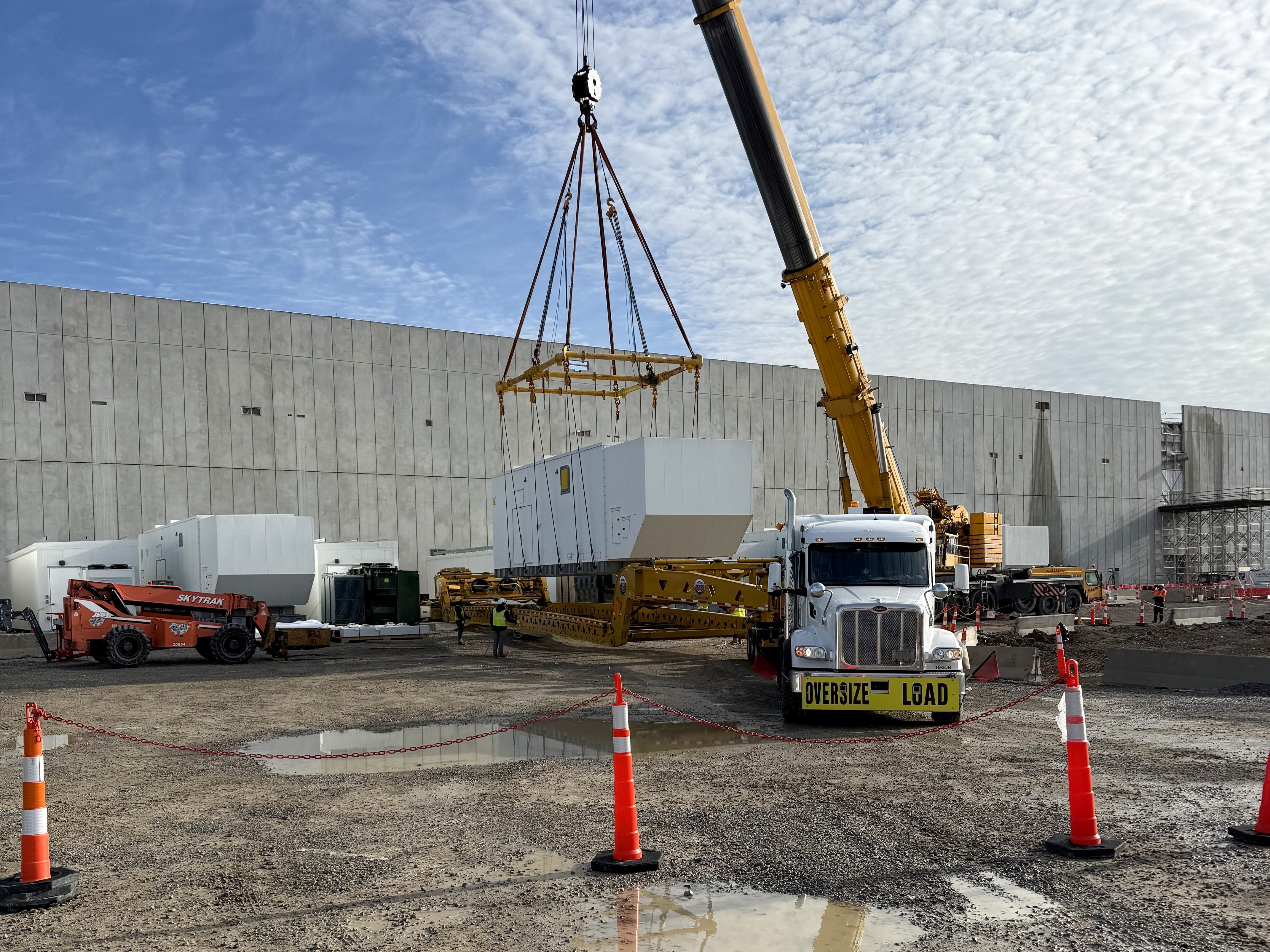
Active construction jobsites are dynamic and busy places. With tight timelines and budgets, it’s vital that everything goes well…and often, they don’t. Multiple trades, weather, budget changes, supply chain issues, worker shortages and more keep things busy and evolving.
Freight shipping is a complex operation with a lot of variables. Basically, you are trusting some of your valuable assets to a carrier to load, transport and unload them at your final destination.