The freight market entered a new phase in 2025-2026. After almost four years of excess capacity and low freight rates, tightening truck supply is now pushing rates back up.
Shippers that understand the forces shaping today's market and invest in strong transportation partnerships will be better positioned to navigate the second half of the year.
2026 Transportation Market — Key Takeaways:
- The U.S. economy is reasonably stable. Growth continues at a slow pace, employment remains stable, and consumers are still spending.
- The freight recession has ended, and the market is shifting toward tighter capacity.
- Transportation rates are rising, but not because of surging demand.
- This is a supply-led market shift, driven by regulatory enforcement.
- Shippers that prioritize strong carrier relationships will be better positioned as market conditions continue to evolve.
In order for shippers to make smart decisions on how to move freight in the second half of 2026, it's important to consider two factors: our current economy and the state of the transportation industry.
What is the state of the economy at mid-year 2026?
Gross Domestic Product
The primary measure of economic health is gross domestic product (GDP). As of early June 2026, the United States GDP was hovering around a growth rate of 2%, with 2026 and 2027 forecasts around 2.5%. While this isn't outstanding growth, it's moving in the right direction.
Consumer Spending
Another important indicator to look at is consumer spending, as consumers drive nearly two-thirds of the U.S. economy. Despite ongoing uncertainty surrounding inflation and interest rates, the resilience of the U.S. consumer remains solid — people are continuing to spend money. Strong employment numbers have helped support this trend.
The May Jobs Report came in significantly stronger than expected, the March and April reports were revised upwards, and the unemployment rate remained steady around 4.3%.
Interest Rates
Interest rates are an additional factor to consider, as they influence how much consumers are willing to spend. At the start of 2026, many economists predicted that the Federal Reserve would cut rates one to three times throughout the year. As of early June, no rate cuts have occurred, and while some experts anticipate reductions later in the year, others believe rates could increase instead. The Federal Reserve appears focused on evaluating broader economic trends before determining its next move on interest rates.

What is the state of the transportation industry at mid-year 2026?
The transportation industry is undergoing a significant market shift in 2026.
For more than 46 months, the industry operated in a freight recession. In other words, freight capacity exceeded demand. This led to depressed transportation rates, creating favorable conditions for shippers, but challenging conditions for carriers and drivers.
Today, we are seeing a shift in the opposite direction. As capacity continues to exit the market, excess supply of drivers is gone, and there are not enough available to meet even the current depressed level of freight.
As a result, transportation rates are on the rise.
The Four Factors Behind the 2026 Freight Market Shift
So, what is driving the current transportation market shift? To understand the change, it's important to look at the four key factors that influence the market at any given time: supply, demand, cost, and rates.
Supply
Freight supply is continuing to decrease in 2026 as capacity exits the market.
Several factors have contributed to this supply shift, including:
- Carrier exits following 3+ years of depressed rates: Many carriers have struggled to remain profitable while operating costs continued to rise.
- Increased regulatory enforcement: Existing safety and compliance regulations are being enforced more aggressively. Greater oversight of CDL eligibility, English-language proficiency, driver training standards, and ELD compliance has reduced the number of eligible drivers.
- Reduced availability of equipment: Fewer trucks are readily available for new entrants looking to take advantage of improving market conditions.
Together, these factors have reduced available truck capacity and slowed the pace at which new capacity enters the market. Shippers now face fewer carrier options and greater competition for available equipment.
Demand
As of June 2026, overall freight demand remains relatively stable.
While it may feel like demand has increased, much of that perception is a result of declining capacity. Overall freight volumes have not changed significantly.
That said, there are several sectors showing encouraging signs of growth that could potentially increase demand later on.
- The U.S. manufacturing industry is one example. After nearly a year in contraction territory, the ISM Manufacturing Index has increased five consecutive months and is now in expansion territory, with a score of 54.
- At the same time, investment in data centers and artificial intelligence infrastructure is increasing the need for specialized, open-deck freight solutions.
Overall, demand is holding steady, with pockets of growth emerging in select industries.
Cost
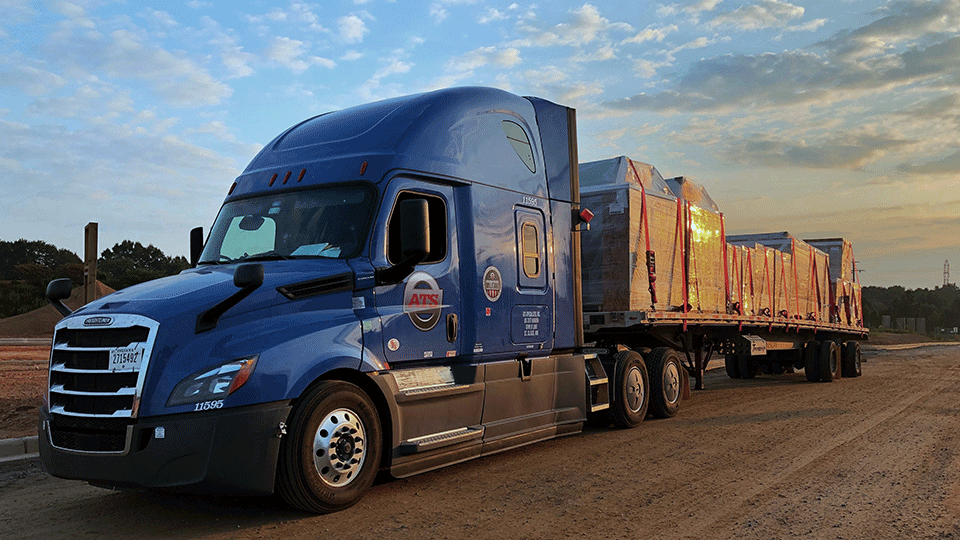
Both carriers and shippers continue to face cost pressures in 2026, with insurance, fuel, and maintenance among the most significant variables.
Litigation risk drives insurance costs, and the Montgomery decision from the Supreme Court will invite additional litigation.
Equipment and maintenance expenses are also increasing. Historically, these costs have risen following major emissions-related equipment changes. That trend could continue as carriers and drivers adapt to new EPA-compliant engine technology being released in 2026.
Fuel remains another area of uncertainty. Ongoing conflict in the Middle East, including disruptions to key shipping routes like the Strait of Hormuz, has contributed to fuel price volatility.
All these factors directly impact operating expenses for carriers and drivers. As operating costs rise, transportation providers often face pressure to adjust pricing, resulting in higher rates for shippers.
Rates
Transportation rates are on the rise in 2026.
Unlike previous market cycles, today's rate increases are being driven by tightening capacity rather than surging demand.
To preserve long-term customer relationships, many large carriers are using targeted pricing strategies. Rather than implementing broad rate increases across their entire network, they are evaluating individual lanes and adjusting pricing based on market conditions and customer needs.
These changing market dynamics highlight the importance of strong, collaborative relationships between shippers and carriers.
Outlook for the Second Half of 2026
The Current Market Cycle May Last Longer Than Expected
Transportation rates are expected to remain elevated through the remainder of 2026 and likely into 2027.
Freight markets naturally move through 12-18-month cycles driven by changes in supply and demand. As rates increase, additional drivers and carriers enter the market, adding capacity and eventually placing downward pressure on pricing. Conversely, extended periods of low rates often lead drivers and carriers to exit the market, tightening capacity and creating conditions for rates to rise again — this is what we're experiencing right now.
However, the increased regulatory enforcement could make it more challenging for new drivers to enter the market at the pace seen in previous cycles.
There is also an unfolding development as a result of the Supreme Court's Montgomery decision, though the full impact may not be known for some time. At a minimum, shippers, brokers, carriers, and drivers can expect increased attention to compliance and qualification requirements. These developments could increase litigation risk and transportation costs, but they may also improve safety on our roadways.
For these reasons, capacity may remain tighter for longer than expected, extending the current cycle of elevated transportation rates into 2027.
Shippers Will Continue Looking for Cost-Saving Alternatives
When freight rates are elevated, shippers often turn to different transportation modes to help manage costs.
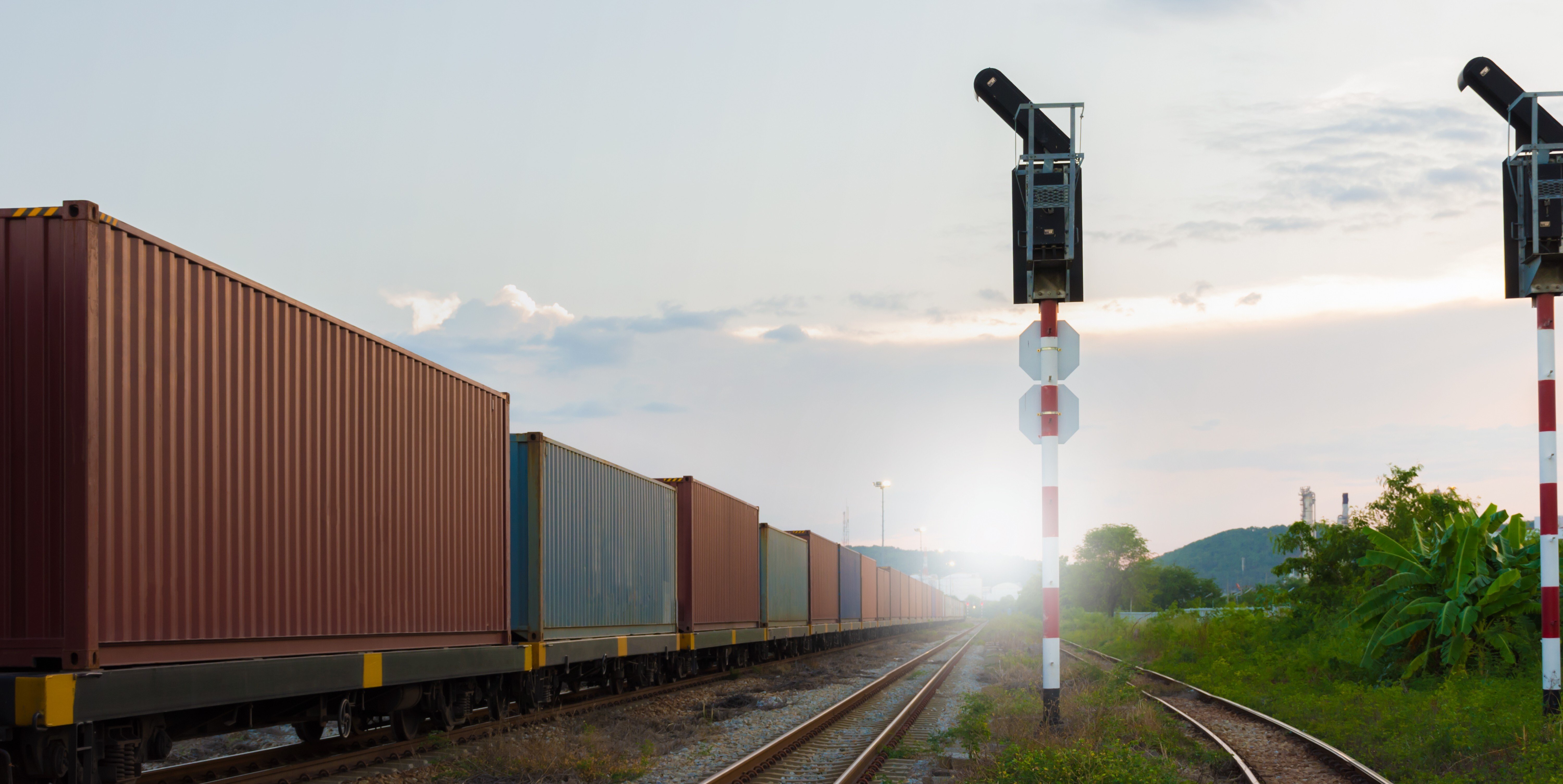
Intermodal transportation is a common alternative, especially for freight that is less time-sensitive. Rail can move large freight volumes with fewer labor requirements and can sometimes be less expensive.
However, intermodal is not the right solution for every shipment. Rail service may not provide the same speed or flexibility as truck transportation, and available rail capacity is limited by existing infrastructure.
Before selecting an alternative transportation mode, shippers should carefully consider whether the potential cost savings align with their service and transit requirements.
How can shippers navigate the current market and prepare for the second half of 2026?
The most important thing a shipper can do in our current market is maintain strong relationships with trusted transportation carriers and brokers.
While it can be tempting to chase lower rates, transportation providers with a proven track record of navigating changing market conditions often deliver greater long-term value. The transportation industry is cyclical, and experienced providers understand how to adapt to shifting supply, demand, and pricing dynamics.
Low-cost transportation providers may perform well during favorable market conditions, but tighter capacity and other market challenges can test their ability to deliver consistent service.
Companies that prioritize communication, reliability, and long-term partnerships are often better positioned to control transportation costs over time.
Common Questions About Freight Rates and Capacity
Navigating the Freight Market with ATS
As a shipper, you may not be able to control freight rates, regulatory enforcement, or market capacity. But you can control how prepared your transportation strategy is. The right logistics provider can help you protect service, manage costs, and avoid disruption as the market tightens.
With more than 70 years of transportation experience, Anderson Trucking Service (ATS) has helped customers navigate the ever-changing freight market.
As a privately held and family-owned company, we have the flexibility to make long-term decisions rather than react to short-term market fluctuations. This approach allows us to focus on building lasting relationships with our customers.
Need help navigating the road ahead? Talk with an ATS transportation expert to build an effective freight strategy for the second half of 2026.