Blitz Week 2026 is one of the most important annual events for the trucking industry, and for shippers, it can directly impact capacity, transit times, and costs.
- International Roadcheck runs May 12–14, 2026
- Inspectors will heavily scrutinize electronic logging device (ELD) compliance and cargo securement
- Shippers may experience delays, tighter capacity, and rate volatility
- Preparation and strong carrier partnerships are key to minimizing disruption
What Is DOT Blitz Week?
The Dept. of Trans. (DOT) Blitz Week — officially known as the Commercial Vehicle Safety Alliance’s (CVSA) International Roadcheck — is a 72-hour, high-intensity inspection event across the U.S., Canada, and Mexico.
During this period, thousands of inspectors conduct a very high volume of roadside inspections at weigh stations, inspection sites, and pop-up locations, with the CVSA noting the event averages nearly 15 inspections a minute across North America.
While Blitz Week is designed to improve safety, it also creates a ripple effect across the supply chain — especially for shippers who depend on consistent capacity and predictable transit times.
What the Numbers Tell Us
Recent Roadcheck data shows that while most trucks pass inspection, a significant percentage do not.
In a typical year:
- Over 80% of vehicles pass without major violations
- Thousands of trucks are placed out of service
- Top violations include brakes, tires, and logbook compliance
Out of 56,178 inspections in 2025, over 10,000 trucks (18.1%) and more than 3,300 drivers (5.9%) were placed out of service.
Those numbers aren't insignificant, and what's more, they reveal larger issues with fleet safety and regulatory compliance.
Even a small percentage of out-of-service vehicles can create noticeable disruptions across the supply chain.
Why Blitz Week Matters for Shippers
Blitz Week isn’t just a driver or carrier concern. It has real operational and financial implications for shippers. Here’s how:
1. Capacity Tightening
When trucks are taken off the road for violations or drivers decide to park to avoid inspections, available capacity decreases. Even compliant carriers may log fewer miles because of inspection delays.
2. Transit Delays
Inspections take time. A single Level I inspection can take 30–60 minutes or more, creating delays that cascade across pickup and delivery schedules.
3. Rate Volatility
Reduced capacity often leads to short-term rate increases, particularly in tight markets or high-demand lanes.
4. Increased Scrutiny on Carrier Compliance
Shippers relying on non-compliant or lower-quality carriers face a higher risk of service disruptions during Blitz Week.
Bottom line: Shippers who plan ahead and work with safety-focused carriers are far better positioned to avoid disruptions.
What Inspectors Are Focused on in 2026
While inspectors evaluate overall driver and vehicle safety, 2026 brings heightened attention to specific compliance areas.
ELD Compliance (Major Focus for 2026)
This year, enforcement agencies are placing a strong emphasis on Electronic Logging Devices (ELDs), particularly:
- Tampering or manipulation of ELD data
- Falsified logs
- Mismatch between logs and actual driving activity
ELD violations have consistently ranked among the top driver-related issues, and increased scrutiny in 2026 means non-compliance could quickly sideline drivers, further tightening capacity.
Cargo Securement
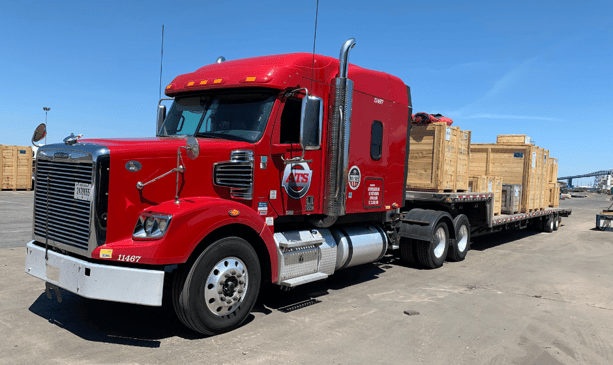
Cargo securement remains a critical safety concern — particularly for open-deck and specialized freight, where loads are exposed, irregular, and high-risk. This year's Blitz Week will directly target operations that rely on load-by-load securement using chains, straps, binders, and other equipment.
Because these shipments often involve oversized or irregular freight, inspectors are placing added emphasis on:
- Tie-down placement
- Working load limits (WLL)
- Equipment condition
Improperly secured freight can lead to serious violations and out-of-service (OOS) orders.
For shippers, this reinforces the need for proper loading practices, compliant securement methods, and clear communication with carriers. Violations during a high-visibility enforcement event like Blitz Week can affect costs, carrier relationships, and long-term reliability.
Vehicle Condition
Inspectors will conduct comprehensive Level I inspections, reviewing:
- Brake systems
- Tires and wheels
- Lights
- Suspension and steering
- Coupling devices
Brake and tire violations continue to be among the most common reasons trucks are taken off the road.
Download the CVSA's 2026 International Roadcheck Areas of Focus Flyer here for more information.

How Shippers Can Prepare for Blitz Week
Proactive, strategic planning makes all the difference between smooth operations and costly delays.
1. Communicate Early with Carriers
Confirm capacity and set expectations ahead of Blitz Week. Work with partners who prioritize safety and compliance.
2. Build Flexibility into Schedules
Allow extra transit time for loads moving during the inspection window.
Related Content: 4 Out-Of-The-Box Ways to Save Money On Your Freight Rates
3. Prioritize Critical Shipments
Move high-priority freight before or after Blitz Week when possible.
4. Ensure Proper Loading and Documentation
Accurate paperwork and properly secured freight reduce the risk of delays during inspections.
5. Partner with Reliable, Safety-Focused Carriers
Carriers with strong safety records are less likely to experience disruptions, helping maintain service consistency.
Final Thoughts
Blitz Week isn’t meant to disrupt the industry; it’s designed to improve safety. But for shippers, the impact is real.
Capacity can tighten, delays may occur, and costs can fluctuate. The difference comes down to preparation.
By planning ahead, staying informed, and working with trusted logistics partners, shippers can navigate Blitz Week with confidence and keep freight moving without unnecessary disruption.
To that end, our Freight Shipping Calendar for 2026 is a great resource to help you plan smarter. This free, downloadable PDF highlights the best and worst days to ship based on historical freight rate trends, holiday schedules, and major industry events like the CVSA International Roadcheck (Blitz Week).

DOT Blitz Week 2026 FAQs
When is DOT Blitz Week 2026?
DOT Blitz Week 2026, also known as the CVSA International Roadcheck, is scheduled for May 12–14, 2026. It is a 72-hour inspection event conducted across the United States, Canada, and Mexico.
What is DOT Blitz Week?
DOT Blitz Week is a three-day enforcement initiative where inspectors conduct thousands of roadside inspections on commercial trucks and drivers. The goal is to ensure compliance with safety regulations, including vehicle condition, driver qualifications, and hours-of-service (HOS) rules.
What are inspectors focusing on during Blitz Week 2026?
In 2026, inspectors are placing increased emphasis on Electronic Logging Device (ELD) compliance, including tampering, falsification, and log accuracy. They will also closely inspect cargo securement and key vehicle components like brakes, tires, and lights.
How does Blitz Week affect shippers?
Blitz Week can impact shippers by reducing available truck capacity, causing transit delays, and increasing spot market rates. Trucks taken out of service or delayed by inspections can disrupt delivery schedules and tighten supply chains.
Why does capacity tighten during Blitz Week?
Capacity tightens because some trucks are placed out of service due to violations, while others lose driving time during inspections. Some drivers may also limit operations to avoid delays, reducing the number of available trucks on the road.
How long do DOT inspections take?
A standard Level I DOT inspection typically takes 30 to 60 minutes, though it can take longer if violations are found. These delays can add up quickly and impact pickup and delivery timelines.
What happens if a truck fails inspection?
If a truck or driver is found to have serious violations, they can be placed out of service until the issue is corrected. This can delay shipments and require shippers to find alternative capacity.
How can shippers prepare for DOT Blitz Week?
Shippers can prepare by communicating early with carriers, building flexibility into transit schedules, prioritizing critical shipments, and working with safety-focused transportation partners.
Is DOT Blitz Week only in the United States?
No, Blitz Week is an international initiative that includes the United States, Canada, and Mexico, making its impact widespread across North American supply chains.
Need help preparing your shipping strategy for Blitz Week?