Compared to traditional freight, heavy equipment transport comes with greater risk, stricter regulations, and a steeper price tag.
But that price isn’t arbitrary. It’s built on a foundation of real, measurable costs, and knowing what those are puts you in a better position to plan and negotiate.
For shippers that need heavy equipment hauling, understanding what goes into your rate is key to budgeting effectively and avoiding last-minute headaches.
Anderson Truck Service (ATS) has been helping companies move big, heavy machinery for decades. Our experience on projects like data center construction and relocation and wind farm construction and maintenance has earned us true expertise in these complex — and often costly — shipments.
In this article, we’ll break down everything that factors into a freight rate for heavy equipment shipping specifically, from the unique challenge of moving generators and switchgear to the impact of winter weather.
You’ll walk away with a comprehensive understanding of why your freight rates are what they are — and what you can do to make your transportation strategy as cost-effective as possible.
What Factors Influence the Cost of Heavy Equipment Transport?
Let’s pull off the band-aid: The total cost of shipping a piece of heavy equipment is driven by a set of factors, including:
- Shipment dimensions (Length, width, height, and weight)
- True costs (Additional expenses associated with moving the load)
- Urgency
- Seasonal cycles
Each of these major factors influence your ultimate costs as a shipper. Why? Let’s talk about it.
How Heavy Equipment Dimensions Affect Your Freight Rate
The dimensions of your heavy equipment — its length, width, height, and weight, in addition to any unusually shaped or protruding elements of the equipment — are some of the most influential factors in determining your total cost of shipping:
- All over-dimensional (OD) freight requires special permits (which will be part of your true costs — we’ll cover those more below) regardless of which dimension is over-legal. The larger the equipment, the more state, county, and local permit regulations will need to be considered during route planning, which can add days and dollars to the process.
- Over-tall shipments might require pole cars or route surveys to avoid overhead obstacles.
- Over-wide loads could demand pilot cars or police escorts.
But perhaps one of the most influential factors in determining your freight rate is the weight of the shipment.
Weight is critical in heavy haul trucking, as it dictates the type of power unit, trailer, and number of axles necessary to distribute the load safely — which are primary drivers of heavy haul trucking’s comparatively higher cost over dry van or legal flatbed shipping.
Specialized trailers — like the multi-axle trailers often required to move heavy equipment — are expensive to own and maintain.
That means there’s less capacity to go around, and more competition for this capacity on the market. Carriers must factor this into their rates, especially if your shipment requires equipment with air-ride suspension or other protective features.
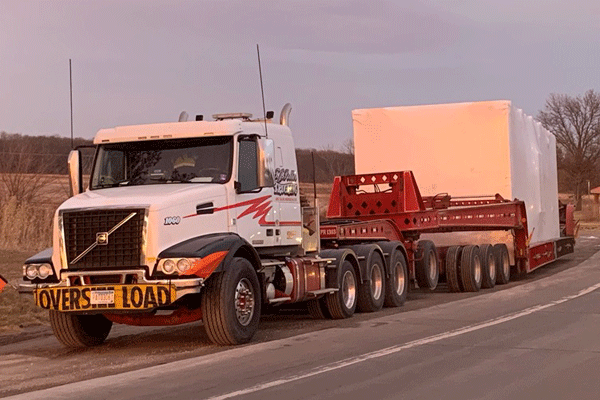
The same principle goes for the professionals behind the wheel. Moving a 150,000-pound, highly sensitive piece of equipment, such as a data center generator, across multiple states isn’t a job for just anyone.
Heavy haul drivers are seasoned experts, and like any skilled trade, they command a higher wage. You're paying for their experience—and the peace of mind that your freight will arrive safely.
In short, the bigger and heavier your load is, the more complex — and costly — it becomes to move.
The True Costs of Shipping Heavy Equipment
When talking about logistics services, the “true cost” of a shipment includes the freight rate, which covers the basics of transporting the load from A to B, plus any additional expenses.
True costs to factor into a heavy equipment load include, but aren’t limited to:
- Permitting: Every state has its own rules regarding size, weight, and routing, so permitting for a heavy haul load can get complex and expensive. Depending on the load dimensions and route, permit costs can add up to five figures before the shipment moves an inch.
- Pilot cars: Pilot cars are necessary for shipments in excess of certain dimensions. They’re used to alert the motoring public than at OD shipment is moving in their vicinity.
- Police escorts: Most states require a police escort when a dimension exceeds a certain measurement, and those limits vary from state to state.
- Utility coordination: Some OD shipments require utility coordination to minimize disruptions caused by utility infrastructure during transportation. This may include lifting power lines, telephone lines, and traffic signals, strategic routing to avoid underground utilities, etc.
This stack of coordination costs are unavoidable, non-negotiable expenses that can add up to a sizable portion of your heavy haul rate.
Even seasoned OD shippers can find it difficult to estimate true costs when shipping heavy machinery, as so much depends on the specifics of the cargo, origin and destination locations, routes, and timing.
That’s why working with an experienced heavy haul trucking provider is critical to both the success of your project and your bottom line.
They’ll be able to provide true cost estimates that are specific to your freight and rooted in their time-tested knowledge of the origin and destination markets, equipment availability, relationships with pilot car companies, and other determining factors.
State Permitting Offices vs. Your Project Timeline
If you’re used to shipping dry van or legal flatbed loads, the timelines in heavy haul can feel glacial.
While a van load might get picked up and delivered in 48 hours, a heavy equipment shipment could require three weeks or more of planning— mostly because of how long it takes states to approve and issue permits. That’s a process carriers can’t expedite.
That's why permitting and route planning for projects like data center construction often begin months before equipment is actually shipped.
If you need your shipment moved faster, you’ll likely pay a premium, especially if your request comes during peak construction season.
That brings us to another timing factor: seasonality.
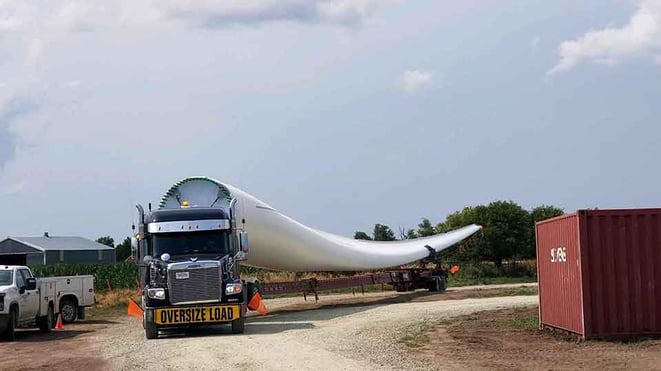
Summer Demand, Winter Discounts: Heavy Haul Trucking Seasonality
Heavy loads like large-scale liquid cooling systems or high-density server racks get more expensive to ship during the summer months, when construction activity is at its peak.
It’s a simple matter of supply and demand: demand is high, so carriers are busy, which means the supply of capacity tightens and prices rise.
On the flip side, regions that experience true winter — with freezing (or below freezing) temps, snow, and ice — see demand dip during the latter half of the year.
Construction projects typically aren’t underway during this time, and fewer open-deck loads are moving in general.
As such, moving heavy equipment during the winter can present more opportunities for cost savings, but only if your project timelines are flexible and your freight can realistically hold up to the weather conditions that may be at play.
Seasonality is a price-driving factor for all freight types, and avoiding it entirely is impossible. But you can limit its impact on your timeline and bottom line by planning ahead.
In general, heavy loads need at least three weeks of lead time, while large-scale heavy equipment projects like hyperscale data center or wind farm construction will need months of planning.
Giving your carrier plenty of lead time can help you avoid rush charges and ensure you don’t miss critical project deadlines.
How Shippers Can Reduce Heavy Haul Trucking Costs
As a shipper, it’s easy to feel like your freight rate is entirely out of your control, especially on the heavy haul market.
You can’t control the fact that your shipments are oversized, overweight, or irregularly-shaped — nor the fact that the specialized equipment, experienced drivers, and multitude of permits needed to move them safely and legally are non-negotiable.
But that doesn’t mean there’s nothing you can do to manage your freight costs.
The guiding principles of cost-effective freight shipping apply to heavy haul just as much as any other type of transportation: Preparation and consistency.
Shipment and Site Preparation
Heavy haul logistics companies appreciate shippers who are prepared. That means having a clear securement plan, identified tie-down points, and engineer drawings or photographs of the cargo whenever possible.
These proactive steps help carriers choose the right trailer and secure the right permits upfront, reducing the risk of delays or costly cargo claims.
Another cost-cutting measure you may not have considered? Allowing trucks to park onsite at both the origin and destination facilities, if possible.
This seemingly small convenience can save you big bucks, as it allows your carrier to release any escort vehicles that otherwise would’ve been required for last-mile travel to and from a yard, truck stop, or other parking location.
Every operational efficiency helps trim the fat from your final freight bill. If heavy haul trucking is a key element of your company’s supply chain logistics (as it often is for those shipping heavy equipment), keep this in mind as you develop new sites for your business.
If you can build transportation considerations directly into the layout and design of your sites — from the weight limit of the roads in and out to the turning radiuses and loading areas — you’ll likely save yourself from logistical complexity (and expensive problem-solving) in the future.
This is especially valuable during data center construction, where oversized generators, cooling equipment, and transformers require carefully planned site access and delivery coordination.
Volume, Consistency, and Competition
The other major shipper-controlled element that can affect costs is consistency.
If you can ship consistent volumes or pieces of consistent dimensions (or both — like a shipment of identical bulldozers three times weekly), that’s an ideal situation for both you and the carrier. Bonus points if these loads are running on consistent lanes, too.
Steady volumes help carriers allocate their trucks and trailers more efficiently, which can lower your rates over time. Consistent dimensions (especially weight) and lanes will make it easier to determine permit costs, which can help you with transportation budget planning.
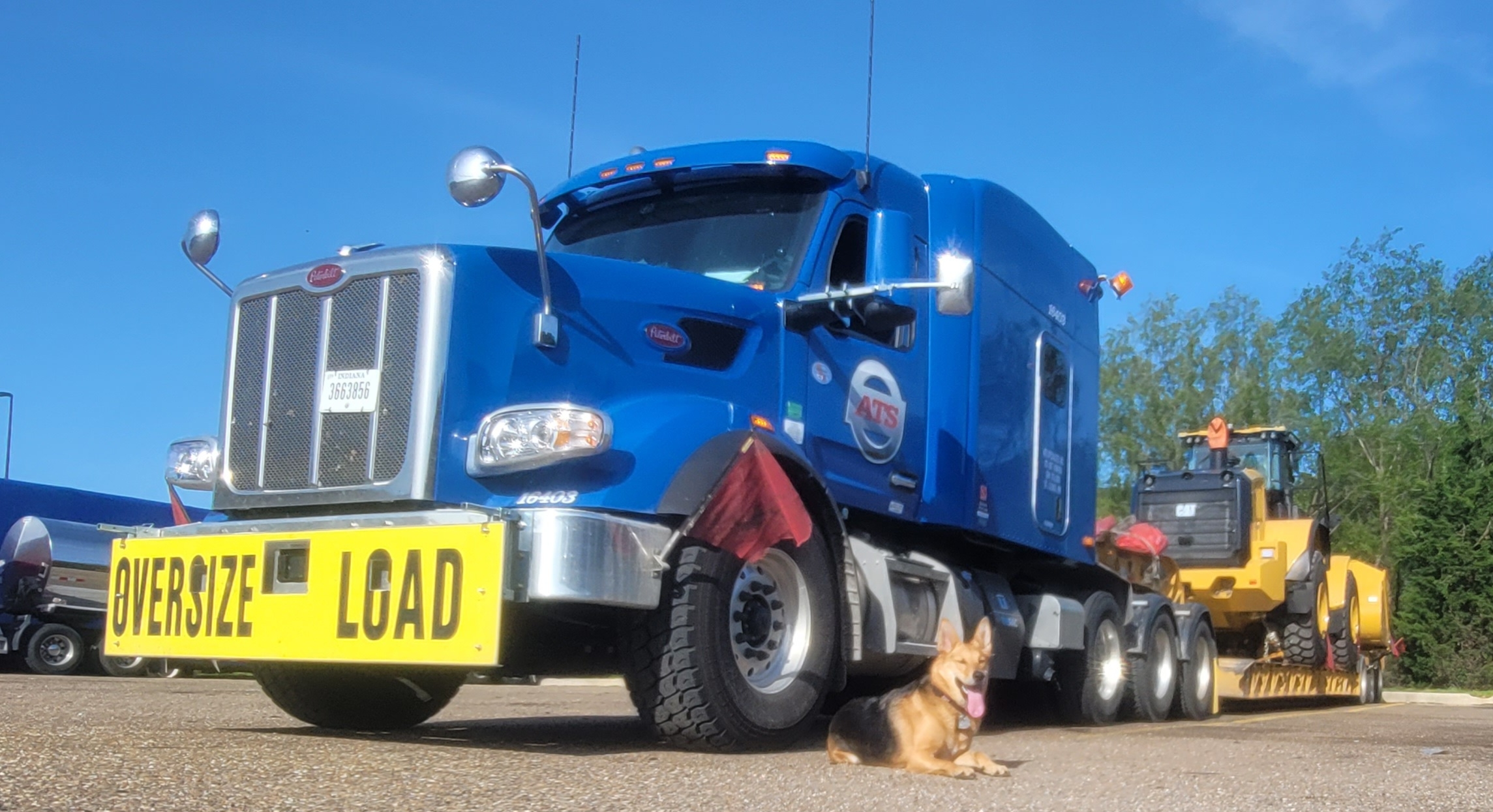
Finally, a word on competition: We don’t recommend relying solely on a single transportation provider for your heavy machinery transport.
Competition drives rate cuts. If you get too comfortable working with just one carrier, they’ll get comfortable, too — comfortable enough to start quoting you rates that aren’t as price-efficient as they could be.
With that said, going with the lowest-cost carrier isn’t always the most strategic move in the long-term. When carriers provide rates at the bottom of what the market can bear, it becomes difficult to get high-quality drivers to accept those loads.
In heavy haul, that can be especially risky, as the level of driver expertise required is directly related to the risks inherent to moving OD freight.
The bottom line: allowing multiple trusted carriers to compete for your freight can only benefit you (and your budget) in the long run — just use your discernment regarding carriers that regularly offer dramatically lower rates than the rest.
Need Heavy Equipment Freight Shipping Services? Know What You’re Paying For.
The cost to ship heavy equipment is shaped by far more than just miles traveled. From specialized trailer requirements and state-by-state permits to driver experience and lead time, every shipment has a unique set of factors that affect the final price.
The more you understand those variables (and the earlier you communicate your needs and freight details) the better your odds of securing reliable, cost-effective transport.
Heavy haul trucking isn’t cheap, but with the right preparation and carrier relationships, it doesn’t have to break your budget.
If you’d like help pricing your next heavy eqiupment shipment or want insight on how to optimize your AI data center, wind farm, or industrial project logistics, reach out to a heavy haul expert at ATS today. We’ll help you move the big stuff with confidence.