Resources & Insights

Freight Market Forecast: Are Shipping Costs on the Rise in 2026?
The transportation industry entered 2025 carrying familiar baggage: soft demand, excess capacity, and a persistent sense of uncertainty that had defined the market for the prior two years.
How Should a Freight Brokerage Monitor the Safety of Its Carriers?
If you’re a shipper wondering what steps a freight brokerage will take to promote the safety of your cargo and all those involved in its transport, we don’t blame you. Without understanding the steps that can be taken to promote safety in the trucking industry, you may be left feeling uneasy about trusting a third party.
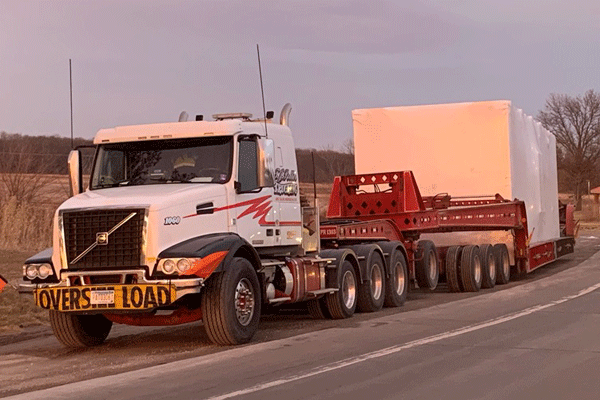
Heavy Haul Shipping Rates: The True Cost of Heavy Equipment Hauling
Compared to traditional freight, heavy equipment transport comes with greater risk, stricter regulations, and a steeper price tag.
Frost Laws: What to Know About Seasonal Load Restrictions This Spring
During the winter months, blizzards and ice in the northernmost states may impact your shipping schedule. But did you know there's another factor that could impact your deliveries as winter transitions into spring?

The Trucking Industry in February 2026: What You Should Know

As February 2026 approaches, the trucking industry enters a dynamic period characterized by seasonal trends, regional challenges, and opportunities for optimization.
The Most Common Freight Measurement Mistakes (& How to Avoid Them)

What Is Freeze Protection in Freight Shipping?

If you live in an area with cold winters, you undoubtedly know a thing or two about protecting yourself and your property from those seriously frigid temperatures.

How Many Miles Is a Truck Driver Allowed to Drive in One Day?
What Are the Federal Axle Weight Limits for Commercial Trucks?

Legal axle weight limits for commercial trucks in the U.S. are commonly 20,000 pounds on a single axle and 34,000 pounds on a tandem axle, with an 80,000-pound gross vehicle weight limit on interstate highways. However, actual legal weight depends on axle spacing, axle group configuration, state laws, and the route being used.
Important note: Every state has different regulations for the maximum gross vehicle weight (total weight of the loaded truck and trailer) allowed on their roads. These weight regulations are based on the state’s infrastructure and what the roads can safely support.
Can a truck be overweight on one axle even if it is under 80,000 pounds gross?
Yes. A truck can be legal in total gross weight and still be overweight if too much weight is concentrated on a single axle or tandem axle group.
How Should a Freight Brokerage Monitor the Safety of Its Carriers?
Posted by Jack Johnson on Sep 16, 2025 4:46:19 PM
If you’re a shipper wondering what steps a freight brokerage will take to promote the safety of your cargo and all those involved in its transport, we don’t blame you. Without understanding the steps that can..
The Trucking Industry in February 2026: What You Should Know
Posted by Eric Metso on Jan 14, 2025 8:30:00 AM
As February 2026 approaches, the trucking industry enters a dynamic period characterized by seasonal trends, regional challenges, and opportunities for optimization.
What Is Freeze Protection in Freight Shipping?
Posted by Lindsey Benoit on Oct 11, 2024 2:00:00 PM
If you live in an area with cold winters, you undoubtedly know a thing or two about protecting yourself and your property from those seriously frigid temperatures.

What Are the Federal Axle Weight Limits for Commercial Trucks?
Posted by Adam Koopmeiners on Apr 26, 2024 12:00:00 PM
Legal axle weight limits for commercial trucks in the U.S. are commonly 20,000 pounds on a single axle and 34,000 pounds on a tandem axle, with an 80,000-pound gross vehicle weight limit on interstate..