If you live in an area with cold winters, you undoubtedly know a thing or two about protecting yourself and your property from those seriously frigid temperatures.

As a shipper, the type of trailer you choose to haul your freight can make a significant impact on your operations. Without investing time and consideration into making an informed decision, you could end up with consignees receiving damaged goods — far from the ideal scenario for anyone involved.
Conestoga trailers, with their innovative sliding tarp systems, are a compelling alternative to traditional flatbeds and dry vans.
Known for providing the accessibility of a flatbed with the weather protection of a van, these specialized trailers can streamline your freight loading and unloading processes.
But Conestogas aren’t a perfect fit for all types of freight. That’s why it’s important to understand all the pros and cons before determining whether they’re right for your use case.
At Anderson Trucking Service (ATS), we’re in the business of matching freight with trucks — the right trucks for every load. That includes choosing the trailer type that will provide the most value to the shipper, which can occasionally mean branching out to a specialized trailer type like a Conestoga.
In this article, we'll delve into the advantages and disadvantages of Conestoga trailers, providing insights to help you determine if they align with your company's shipping needs.
Whether you're seeking to improve loading efficiency, protect your cargo from weather elements, or reduce the risk of tarp-related damage, we'll cover everything you need to know to make an informed decision.
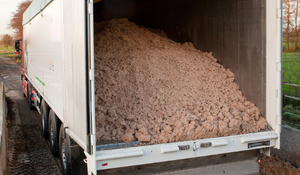
The transportation industry is always changing and evolving, developing new ways to make it easier to send and receive freight. Among the industry’s many creative solutions are moving floor trailers, a specialized trailer type designed to make loading and unloading freight more efficient.