ATS Blog
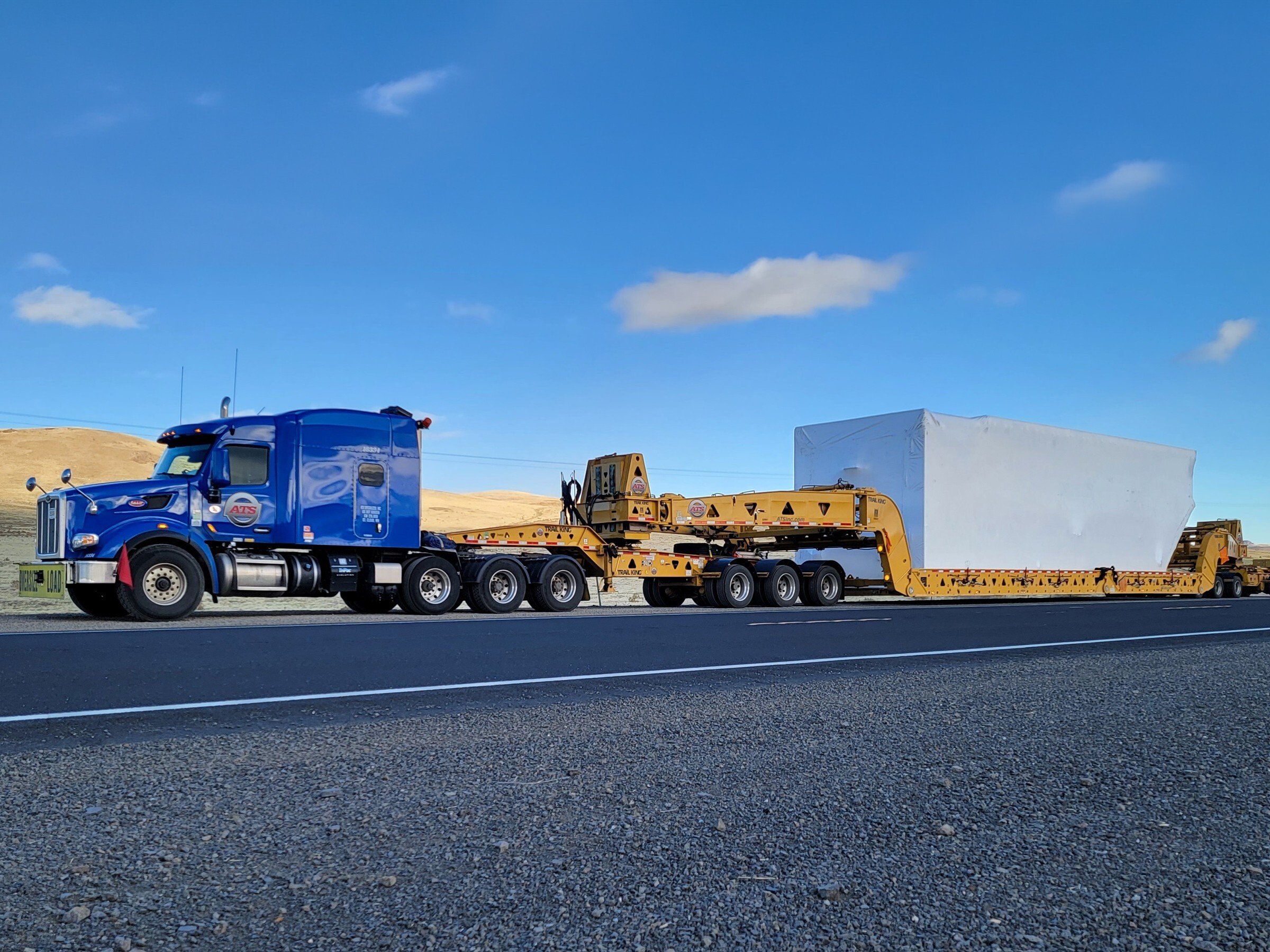
With the rapid growth of artificial intelligence (AI) and other emerging technologies, demand for data centers is booming. New facilities are being built all around the nation — and fast.
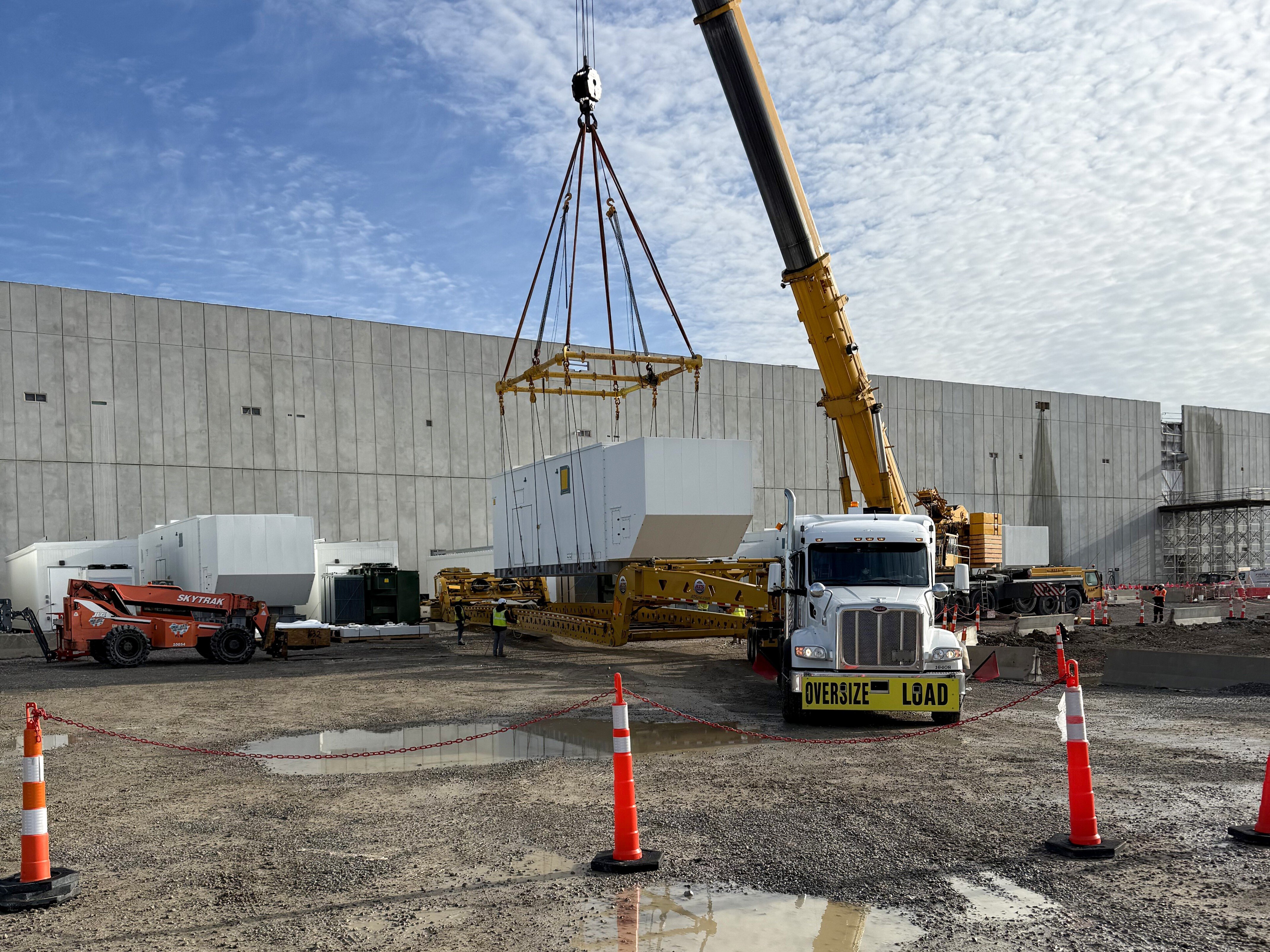
You can engineer every square foot of a data center perfectly. But if transportation isn’t planned beforehand, your project timeline may still be at risk.
The freight market entered a new phase in 2025-2026. After almost four years of excess capacity and low freight rates, tightening truck supply is now pushing rates back up.
Shippers that understand the forces shaping today's market and invest in strong transportation partnerships will be better positioned to navigate the second half of the year.
Memorial Day 2026 oversize freight restrictions begin as early as Friday, May 22, creating critical planning challenges for shippers moving oversized or overweight freight across the United States. Holiday travel restrictions, permit office closures, construction season, and state-by-state compliance rules can significantly impact delivery schedules if carriers and shippers are not prepared in advance.
When it comes to shipping, accurate measurements aren’t a nice bonus — they’re the baseline of your supply chain’s success.
Blitz Week 2026 is one of the most important annual events for the trucking industry, and for shippers, it can directly impact capacity, transit times, and costs.
Where transportation is concerned, May signals a grand reopening nationwide. Produce season steadily ramps up across the southern U.S. and the construction industry’s freight demands are in full swing.
Less-than-truckload (LTL) freight shipping is one of the most efficient ways for businesses to move palletized freight that doesn’t require an entire trailer. Instead of paying for unused truck space, multiple shipments from different companies share the same truck, allowing shippers to reduce costs while still moving freight quickly across the country.


Dr. Martin Luther King, Jr. Day (MLK Day) is a federal holiday, so for some shippers moving oversize/overweight (OSOW) freight, it may not be business as usual.
The transportation industry entered 2025 carrying familiar baggage: soft demand, excess capacity, and a persistent sense of uncertainty that had defined the market for the prior two years.
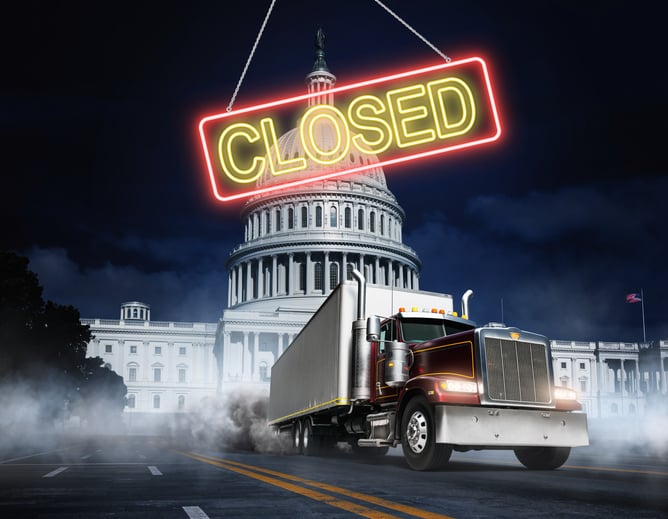
For shippers, a government shipping shutdown can introduce uncertainty into supply chains — especially if your freight depends on federal contracts, infrastructure projects, or regulatory approvals.
If you’re a shipper wondering what steps a freight brokerage will take to support compliant and efficient transportation operations, we don’t blame you. Without understanding the steps that can be taken to promote safety in the trucking industry, you may be left feeling uneasy about trusting a third party with your freight.
Key Takeaways:
- October is busier than it looks — holiday freight, tariffs, and consumer demand shifts make it a high-impact shipping month.
- Dry van capacity tightens near ports, while Midwest supply is looser.
- Reefers shift west for harvests and south for cross-border produce.
- Flatbed and oversize freight face weather, daylight, and football-related restrictions; planning ahead is critical.
- Shippers can cut costs by booking early, considering trailer alternatives, providing accurate specs, and staying flexible with timing.
October brings the World Series, Halloween, and the start of the fourth quarter. And while it would be easy to write October off as the last month before the busy holiday season, experienced shippers know that this is actually one of the most action-packed shipping months.
Compared to traditional freight, heavy equipment transport comes with greater risk, stricter regulations, and a steeper price tag.
Key Takeaways:
KEY TAKEAWAYS:
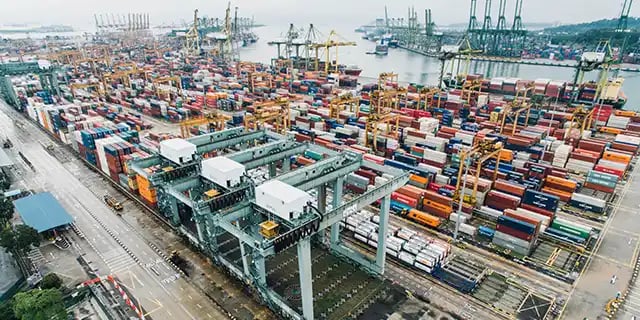
In its 2024 Review of Maritime Transport, the United Nations Conference on Trade and Development (UNCTAD) states that marine vessels carry a whopping 80 percent of global trade — a statistic which reflects maritime transportation’s overwhelming and ever-growing impact on international commerce.
Key Takeaways
- Nearshoring definition: Moving production closer to the consumer market to reduce risks and costs.
- Why it matters: Improves supply chain resiliency, lowers transit times, and reduces shipping expenses.
- Industries adopting nearshoring: Automotive, aerospace, retail, electronics, pharmaceuticals, and more.
- Primary benefits: Efficiency, profitability, and adaptability in a volatile global marketplace.
International shipping is, by its very nature, risky business. So many things can disrupt a global supply chain, from sluggish port operations to geopolitical conflict to capacity shortages. Heck, even the weather can set a supply chain off its course, careening toward disaster!
Rumor has it that more shippers are interested in dedicated transportation service than ever before.


If you’re a shipper wondering how this year’s Commercial Vehicle Safety Alliance (CVSA) International Roadcheck will impact your freight, you’re in the right place.

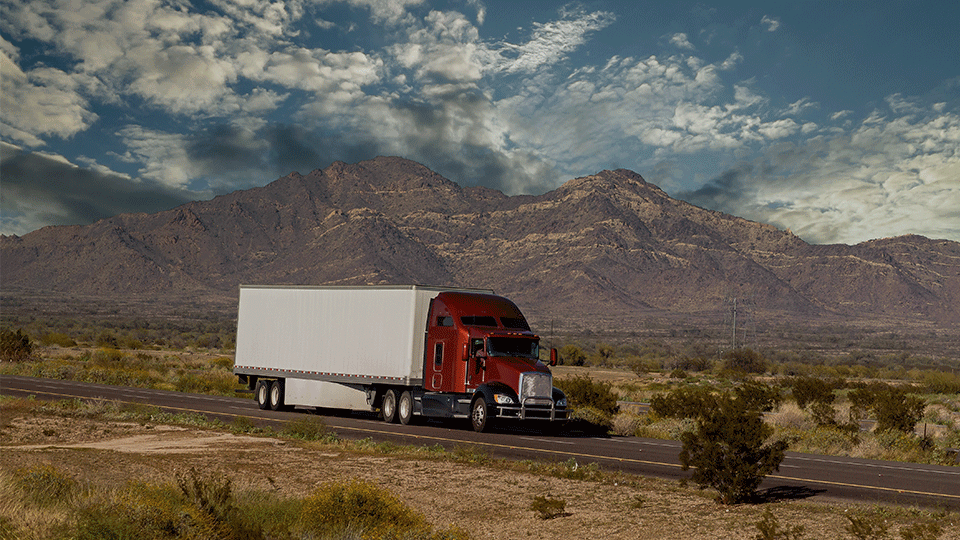

In the transportation industry, April is a time of transition: Frost laws are winding down in some areas (and still in place in others), construction projects commence, and produce seasons kickstart.
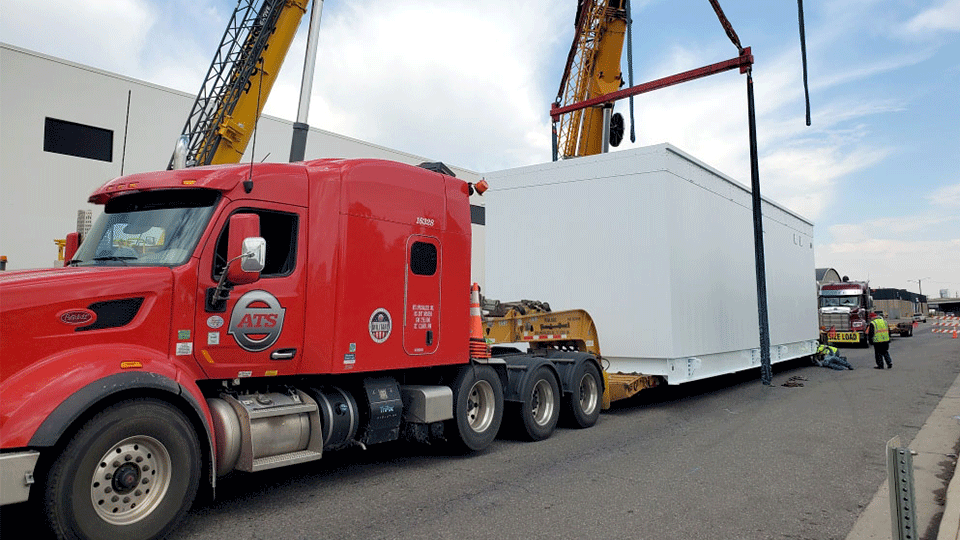
Heavy haul shipments are some of the most complex loads to move. Most will require permitting and route planning, a specialized trailer, a heavy haul truck, an experienced driver, and a thorough plan for safe loading, transport, and unloading.

You’re not imagining things: Cargo theft really is on the rise — and it has been for a while.
Freight shippers are no strangers to uncertainty. And right now, tariffs are one of the biggest unknowns hanging over the industry.
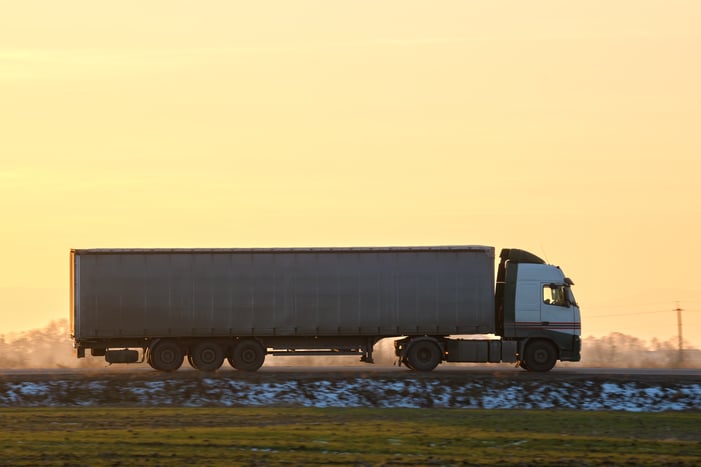
As winter fades and spring takes hold, the freight market undergoes seasonal shifts that can impact your supply chain.
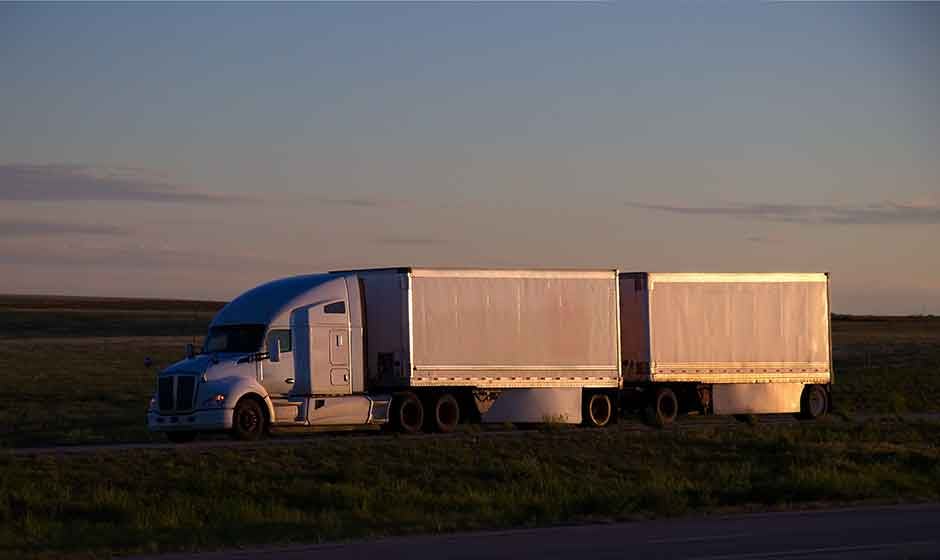
Practically every supply chain uses less-than-truckload (LTL) service in its transportation strategy. In the right situation, LTL shipping presents a convenient solution for shippers across industries.
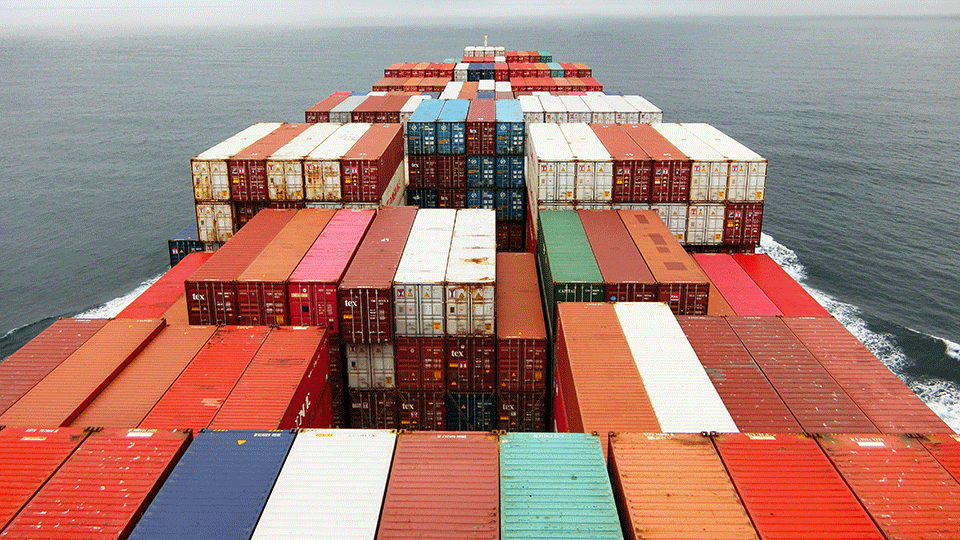
According to Statista, the volume of seaborne trade reached nearly 12.3 billion metric tons in 2024. With so much cargo to move (and so much profit on the line), who do shippers trust to safely shepherd their freight through international waters?
You work in a competitive, complex industry. Success hinges on an ability to improve supply chain efficiency and overcome challenges.

You don’t have time to troubleshoot supply chain slowdowns day in and day out — your company has goods to move, customer commitments to meet, and bottom lines to maintain.
During the winter months, blizzards and ice in the northernmost states may impact your shipping schedule. But did you know there's another factor that could impact your deliveries as winter transitions into spring?
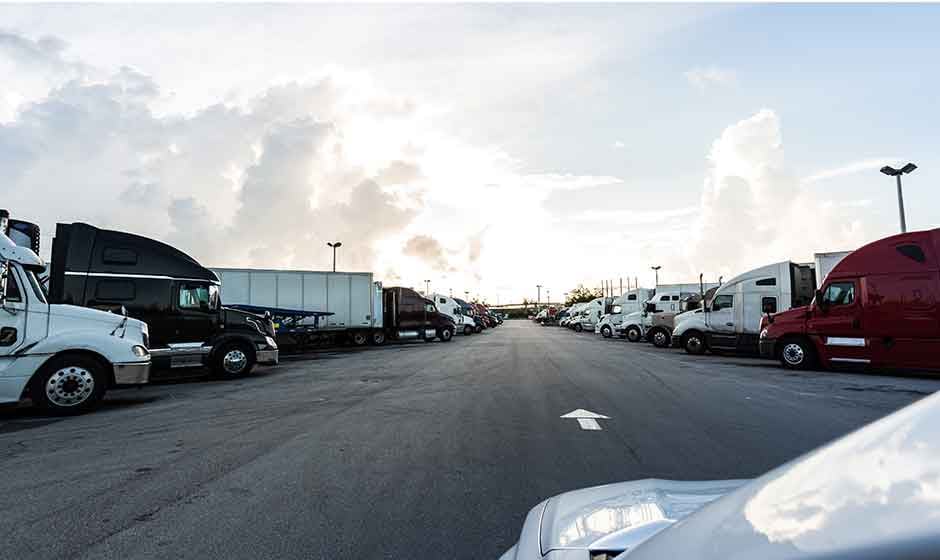 Choosing a freight brokerage is a decision that can't be made on capacity alone. Technology, specialization, service model, and scale should all play a role in determining which provider is right for your business's needs — and the "best" brokerage for one shipper may be entirely wrong for another.

As February 2026 approaches, the trucking industry enters a dynamic period characterized by seasonal trends, regional challenges, and opportunities for optimization.
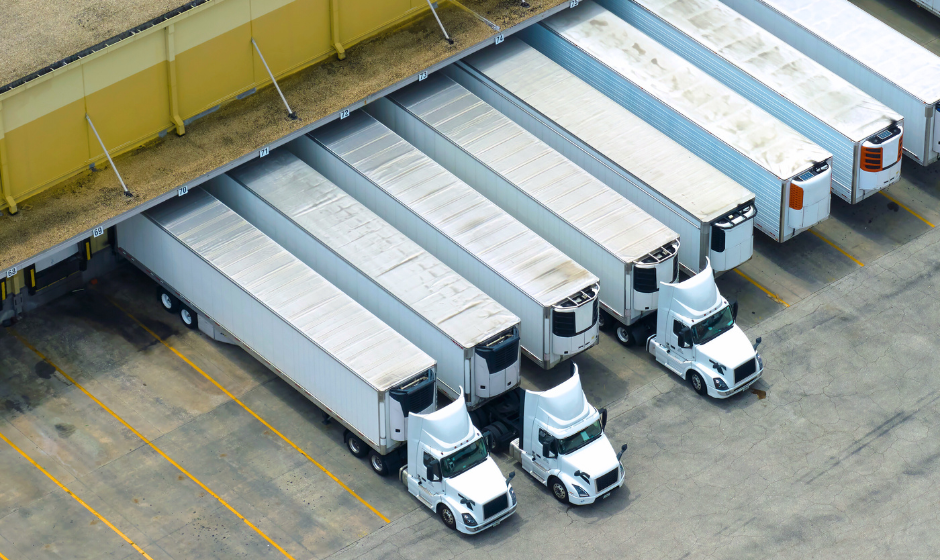
There’s no shortage of challenges in today’s logistics landscape. Transportation costs are high, the market is flooded with inexperienced and inconsistent providers, and customers are demanding faster delivery of a higher volume of product than ever before.
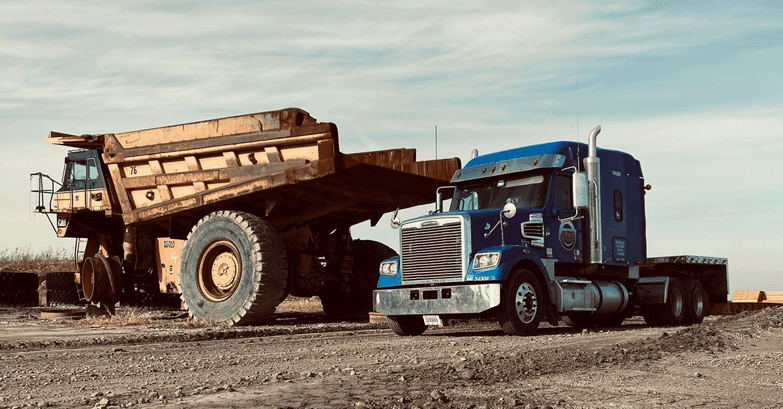
January is seen as the “reset” month for the trucking industry. After the fast-paced holiday shipping season, freight activity slows down, giving carriers and shippers time to recalibrate.

For high-volume shippers constantly moving critical freight, juggling multiple active transportation providers at once can be as stressful as it is inefficient.
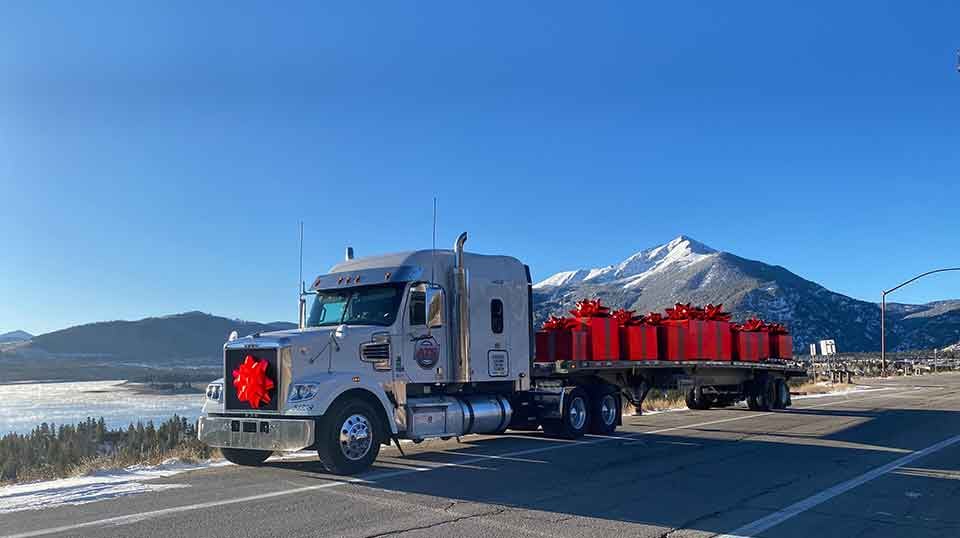
The December freight market traditionally brings a complex mix of tightening and softening forces. In 2025, that pattern remains familiar but nuanced.

If your business regularly ships over-dimensional (OD) freight, you may find it harder to do so from the end of December through the beginning of January.
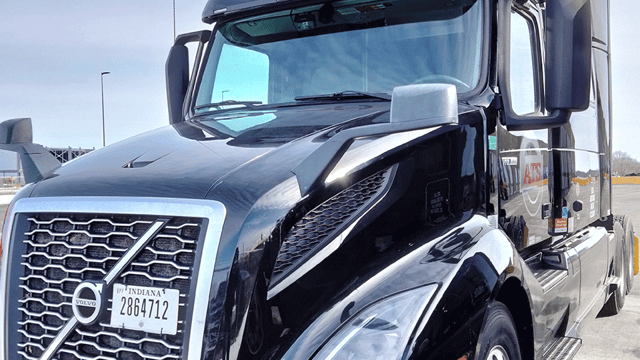
With hundreds of thousands of for-hire trucking companies in the U.S., businesses of all sizes don’t have to look far to find a suitable partner to manage their transportation logistics.
Each year on November 11, Americans pause to honor and thank the veterans who have fought for our country.
Key Takeaways:
-
A foreign trade zone (FTZ) allows companies to defer, reduce, or eliminate customs duties on imported goods.
-
Using an FTZ warehouse or yard can reduce tariff costs by allowing assembly or manufacturing before duties apply.
-
FTZs provide operational flexibility, especially for complex supply chains importing multi-component goods.
-
Bonded warehouses offer simpler compliance but fewer manipulation options and limited storage duration.

Moving oversize (OS) and overweight (OW) freight on and around a holiday can be complicated.


If you live in an area with cold winters, you undoubtedly know a thing or two about protecting yourself and your property from those seriously frigid temperatures.

As the leaves change color and the air takes on a chill, harvest season in the Midwest kicks into gear. This bustling time of year isn’t just a big deal for farmers — its impact ripples across industries, especially transportation and logistics.

The fear of cargo being lost, damaged, or otherwise compromised in transit is a common one. For shippers with international supply chains, these anxieties are intensified by unpredictable factors like war and geopolitical tensions, tariffs, piracy, natural disasters, and more.

For those tasked with managing logistics budgets, “What will it cost?” is the question looming over every business decision — and warehousing is no exception.
Transloading vs cross-docking — what's the difference?
While both are commonly-used logistics methods, the difference between transloading and cross-docking is their purposes.
Transloading focuses on transferring goods between different modes of transportation, often with additional handling steps, while cross-docking focuses on quickly moving goods from inbound to outbound trucks with minimal storage time.
Warehousing and distribution are essential parts of many supply chains, but finding the right services can be overwhelming — especially with so many different options and providers out there.


It’s been all but impossible to ignore the fact that 2024 is an election year in the United States. As the race heats up and dominates the news cycles, shippers across the country are watching closely to see how the road to the ballot box might affect the freight market.
September is historically a busy month for shippers and transportation providers. But this year, “busy” might be an understatement.

In the early hours of Aug. 22, 2024, rail freight traffic in Canada came to a screeching halt as the country’s two main rail companies, Canadian National (CN) and Canadian Pacific Kansas City (CPKC) locked out 10,000 employees.

In a world that increasingly relies on digital tools for . . . well, just about everything, the modern transportation industry has likewise adapted.

For many in the transportation industry, Alaska is synonymous with unpredictability.

The last few Augusts in the trucking industry have looked a bit different than the market shippers are experiencing today.
Does it seem like your freight shipments are failing more lately? You’re not alone — and you’re not imagining things.

To say that freight shippers have a lot on their plates would be an understatement. The constant juggle of schedules, carriers, regulations, costs, and timelines can be overwhelming — not to mention a drain on valuable resources that could be better spent on core business priorities.

Finding a Conestoga trailer can be a real challenge for shippers — and for good reason. Thanks to their unique retractable tarping systems, these specialized trailers offer the perfect blend of accessibility and protection for a wide range of freight.
It's hard to believe that we're halfway to the finish line of 2024, isn't it?
The price of shipping containerized cargo across international borders has been trending upward — sometimes in dramatic fashion — for several years now.
As a freight shipper, you’re always running into transportation-industry-specific terms, jargon, and abbreviations. Even if you’ve been in the industry for decades, the constant barrage of lingo can be confusing at best — and downright frustrating at worst.
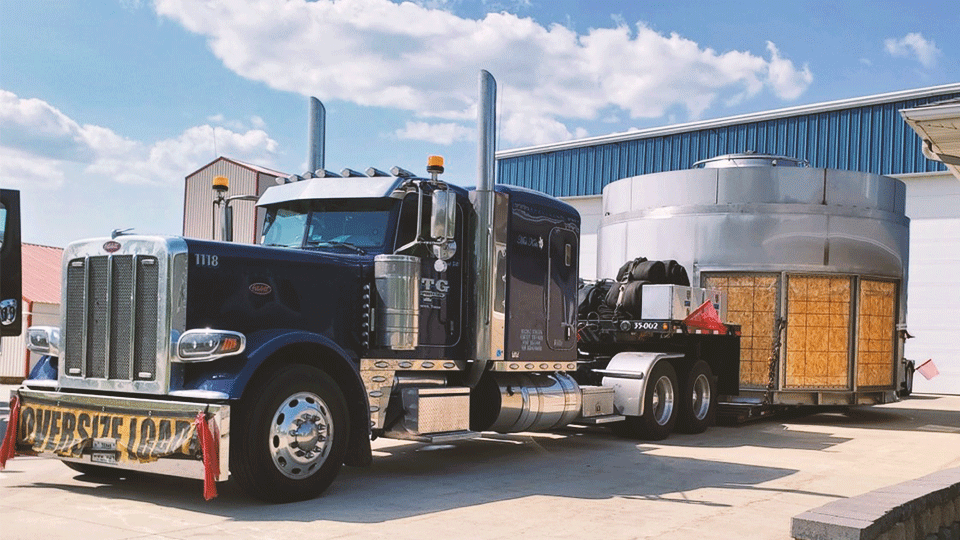

The Port of Baltimore channel has fully reopened to all vessel traffic as of June 10, 2024, following 11 weeks of painstaking progress clearing debris from the collapse of the Francis Scott Key Bridge.

In today's globalized economy, efficient, strategic shipping solutions are more crucial than ever — especially for shippers moving a large volume of freight annually.

On June 11, 2024, the Canadian government and the Public Service Alliance of Canada (PSAC), the union representing over 9,000 Canadian Border Services Agency (CBSA) workers, reached a tentative collective agreement.
New of the agreement eased fears of a labor action that would have slowed activity at the border, including the movement of Canada-bound freight shipments.
The transportation industry is brimming with terminology, acronyms, and abbreviations that are unique to the business of freight movement.
To the uninitiated, the sheer amount of things to learn and variables to manage can be overwhelming.
Shipping freight by air for the first time — or even the 101st time! — can feel overwhelming, especially for shippers unfamiliar with the many unique terms and processes involved.

Sending valuable freight across the country is a stressful experience for shippers — and that’s before factoring in the extra time, effort, and cost to obtain over-dimensional (OD) freight permits.
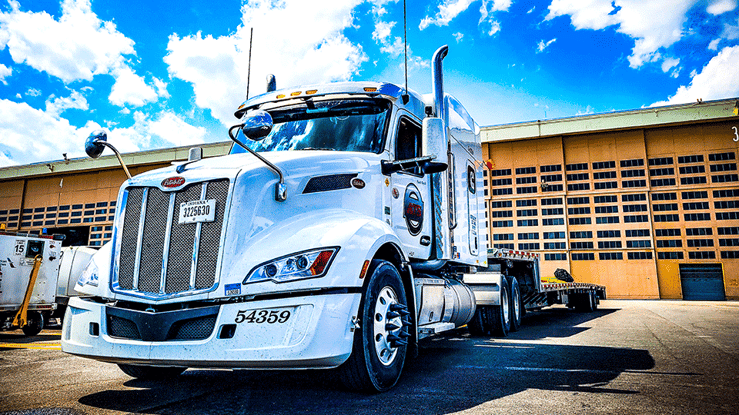

In the ever-changing world of freight shipping, carriers constantly face the challenge of balancing stability with flexibility.

As a shipper, the type of trailer you choose to haul your freight can make a significant impact on your operations. Without investing time and consideration into making an informed decision, you could end up with consignees receiving damaged goods — far from the ideal scenario for anyone involved.
Conestoga trailers, with their innovative sliding tarp systems, are a compelling alternative to traditional flatbeds and dry vans.
Known for providing the accessibility of a flatbed with the weather protection of a van, these specialized trailers can streamline your freight loading and unloading processes.
But Conestogas aren’t a perfect fit for all types of freight. That’s why it’s important to understand all the pros and cons before determining whether they’re right for your use case.
At Anderson Trucking Service (ATS), we’re in the business of matching freight with trucks — the right trucks for every load. That includes choosing the trailer type that will provide the most value to the shipper, which can occasionally mean branching out to a specialized trailer type like a Conestoga.
In this article, we'll delve into the advantages and disadvantages of Conestoga trailers, providing insights to help you determine if they align with your company's shipping needs.
Whether you're seeking to improve loading efficiency, protect your cargo from weather elements, or reduce the risk of tarp-related damage, we'll cover everything you need to know to make an informed decision.

Landing at the perfect peak of summertime, the Fourth of July is an exciting time to be an American.

Whether it’s an infrastructure failure, an accident that shuts down traffic, or a Taylor Swift concert, changes to traffic patterns and volumes can interrupt your freight shipping plans in a big way.
Legal axle weight limits for commercial trucks in the U.S. are commonly 20,000 pounds on a single axle and 34,000 pounds on a tandem axle, with an 80,000-pound gross vehicle weight limit on interstate highways. However, actual legal weight depends on axle spacing, axle group configuration, state laws, and the route being used.
Important note: Every state has different regulations for the maximum gross vehicle weight (total weight of the loaded truck and trailer) allowed on their roads. These weight regulations are based on the state’s infrastructure and what the roads can safely support.
Can a truck be overweight on one axle even if it is under 80,000 pounds gross?
Yes. A truck can be legal in total gross weight and still be overweight if too much weight is concentrated on a single axle or tandem axle group.
The average truck driver doesn't need special security clearances in their day-to-day — but what if you’re interested in hauling loads that will take you to places most civilians can’t tread?
A Transportation Worker Identification Credential (TWIC, also called a TWIC card) and Transport Security Administration (TSA) certification are among the most sought-after security clearances for drivers looking to diversify the freight types they can haul and places they can go.
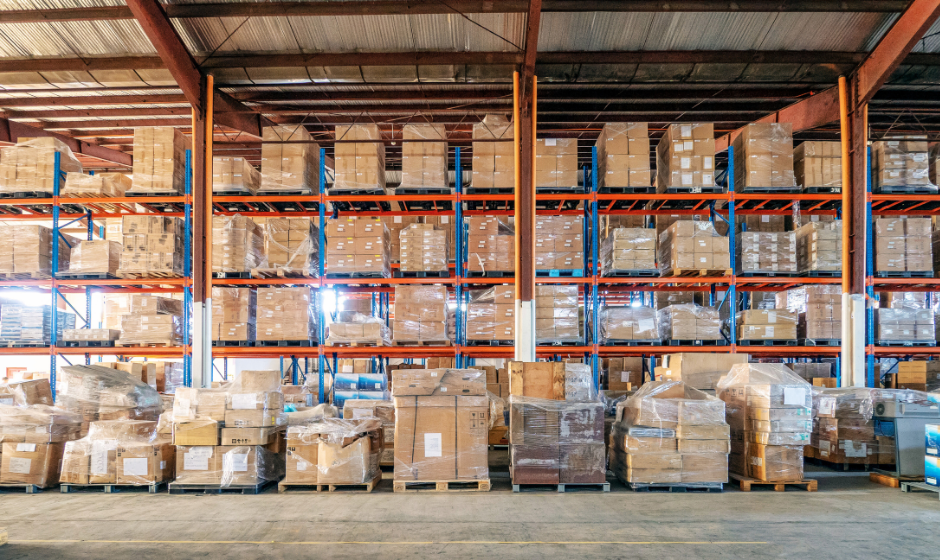
It’s a transportation tale as old as time: You know your freight needs a dry, secure place to hang out before it heads to its ultimate destination, but you’re at a bit of a loss when it comes to sending out requests for quotation (RFQs) for your warehouse project.

Let’s come right out and say it: Nobody wants to be in a position to need to ship same-day.
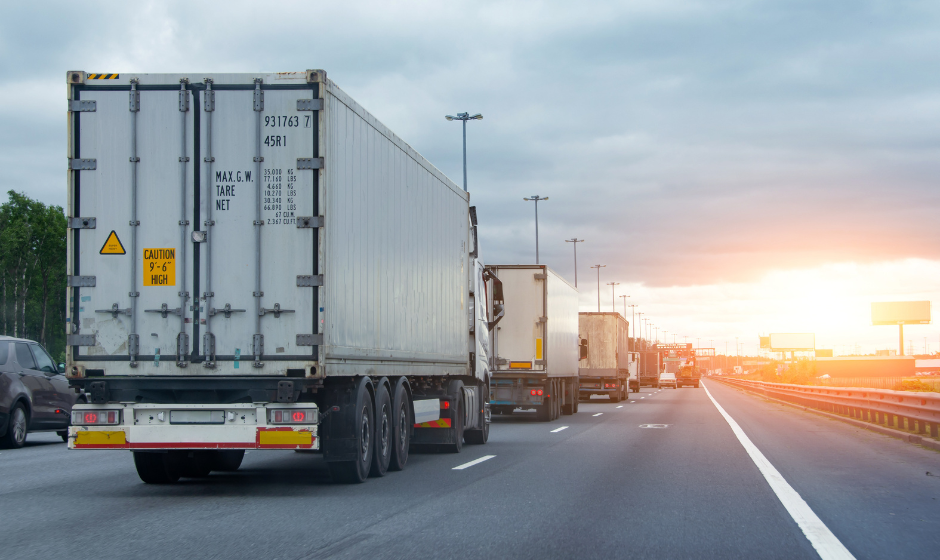
On Monday, April 8, 2024, a total solar eclipse will cross North America, passing over Mexico, the United States, and Canada.
The path of totality — areas that will experience a total eclipse of the sun — will cross into the U.S. in southern Texas and travel through 12 additional states before entering Canada.
As a huge swath of the country braces for a major surge in tourist traffic, domestic shippers are wondering how the eclipse will affect their freight. Some states in the path of the totality have implemented eclipse-related travel restrictions.
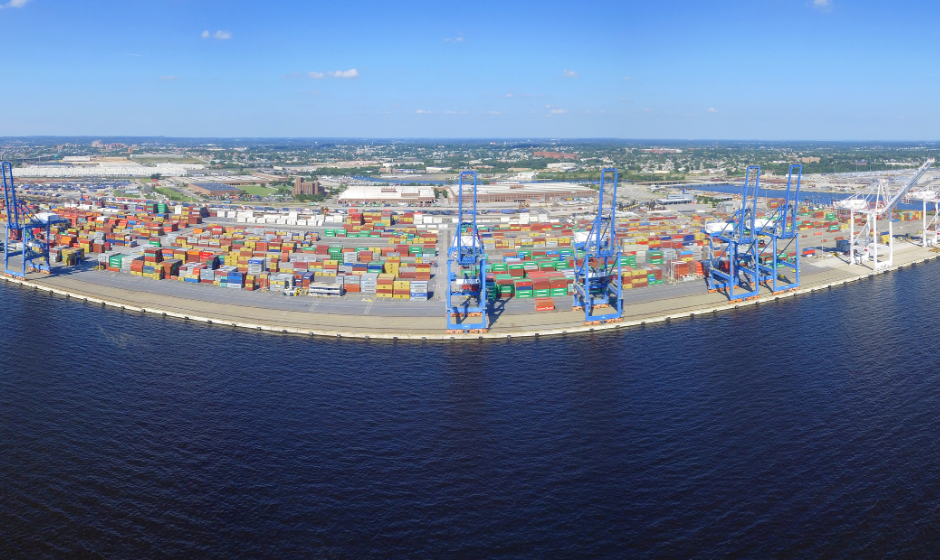
Whether a port closes due to a worker strike, extreme weather, or an infrastructure failure, it represents a major hiccup in the supply chains of shippers around the world.
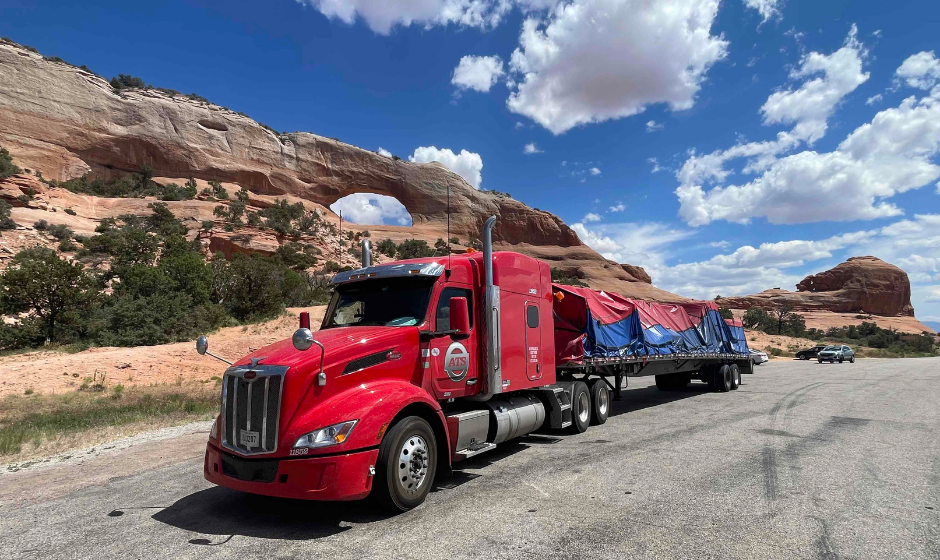
Getting your freight to its destination safely and securely is a priority for all shippers. But there are a lot of options out there for protecting your freight in transit.

You watch a shiny new patrol car blaze past you, lights flashing. You catch a glimpse of the officer behind the wheel. The focused determination on their face never wavers as they escort a VIP down the highway. Is it the President? A foreign dignitary? Beyoncé?
The transportation industry is always changing and evolving, developing new ways to make it easier to send and receive freight. Among the industry’s many creative solutions are moving floor trailers, a specialized trailer type designed to make loading and unloading freight more efficient.

Just like Bon Jovi, blind shipping is misunderstood.
At Anderson Trucking Service (ATS), we’ve seen and heard it all when it comes to blind shipping.
“Hey, this load doesn’t have a delivery address; where am I supposed to drop off?”
“Did you mean to send that BOL without consignee information?”
“Is this even legal?”
You name it, we’ve answered it. We’ve become so familiar with the most common questions about blind shipping, it inspired us to put the answers all in one place — here!
With so many options to choose from, it’s understandable to wonder which type of transportation provider is best for your company’s supply chain. Choosing poorly can create delays, communication issues, and impact your ability to deliver for customers.

It’s true: I’m a package-tracking enthusiast. I get a thrill when my email inbox pings with that all-important tracking information. I delight in watching my parcels move through the country, and I eagerly anticipate their arrival at my doorstep.

Everyone likes convenience. Americans like it so much we named a whole genre of stores after it!
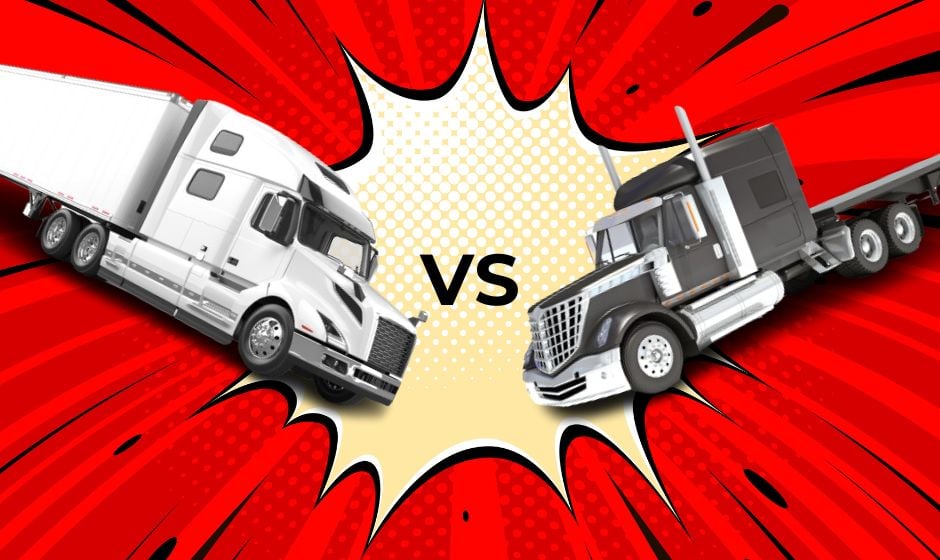
Chocolate vs. vanilla. The Rock vs. Stone Cold. Dry van vs. flatbed shipping. Life is full of tough calls! Among the toughest for shippers? Choosing the right method of moving freight for your shipping needs and your bottom line.
Dallas. Home of the Cowboys, the Mavericks, the Rangers, and 6.5 million people. The Dallas-Fort Worth metro area is one of the largest in Texas, not to mention the entire U.S.

Remember the Alamo? The rallying call for Texan freedom looms large in the history of the state and the wider nation.
If it’s true that everything’s bigger in Texas, that’s certainly true of Houston. It’s the nation’s fourth-largest city in terms of population. Geographically, it spans 655 miles. And it’s considered the nation’s most diverse metropolitan area, with at least 145 different languages spoken by residents.
 The deeper you look into the transportation world, the more complexity you’ll find. While no aspect of your job is easy, per se, overseeing your business’ transportation supply chain can be overwhelming.
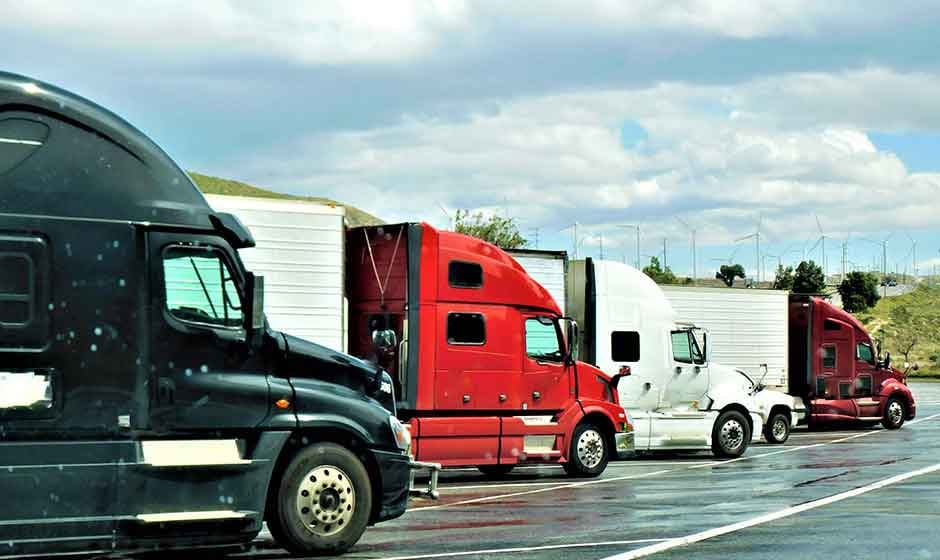 All truck drivers are equipped with a Commercial Driver’s License (CDL). With a CDL, they can legally and safely operate a semi-truck.
As predicted in my forecast article twelve months ago, 2023 was a trying year for trucking companies, truck drivers and transportation industry stakeholders of all kinds.

In the trucking industry, there are very few loads that don’t have some degree of special requests, such as:
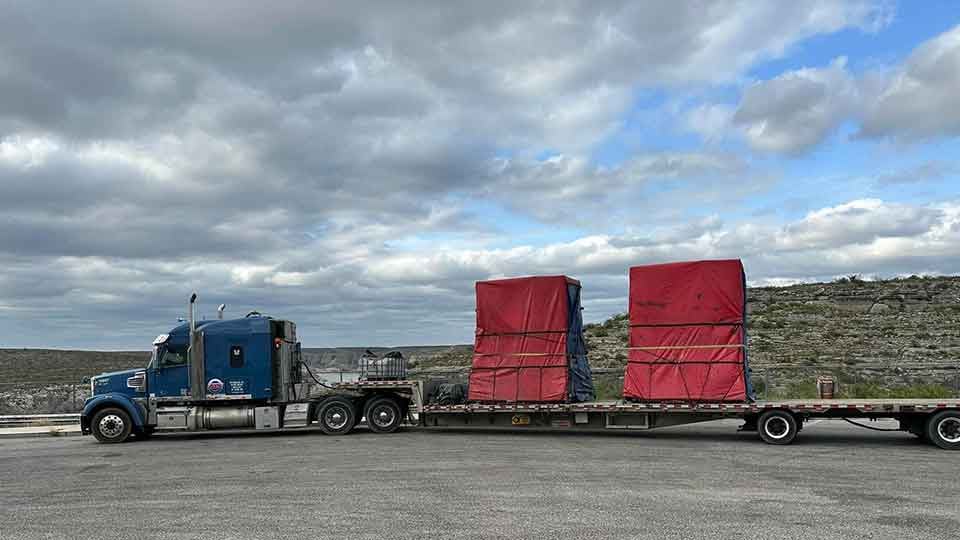
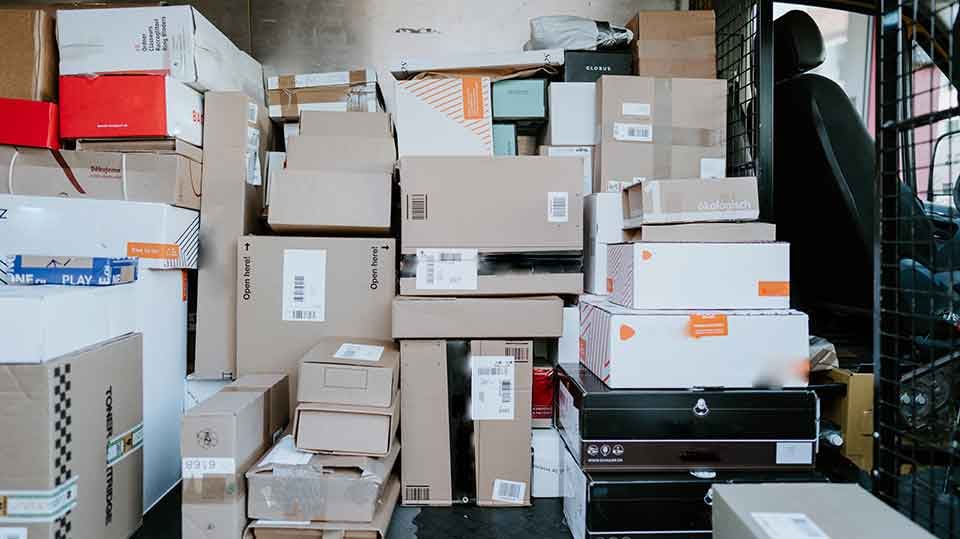
In the world of transportation, there are many variables to consider with each shipment. How the truck will be loaded is one of them.
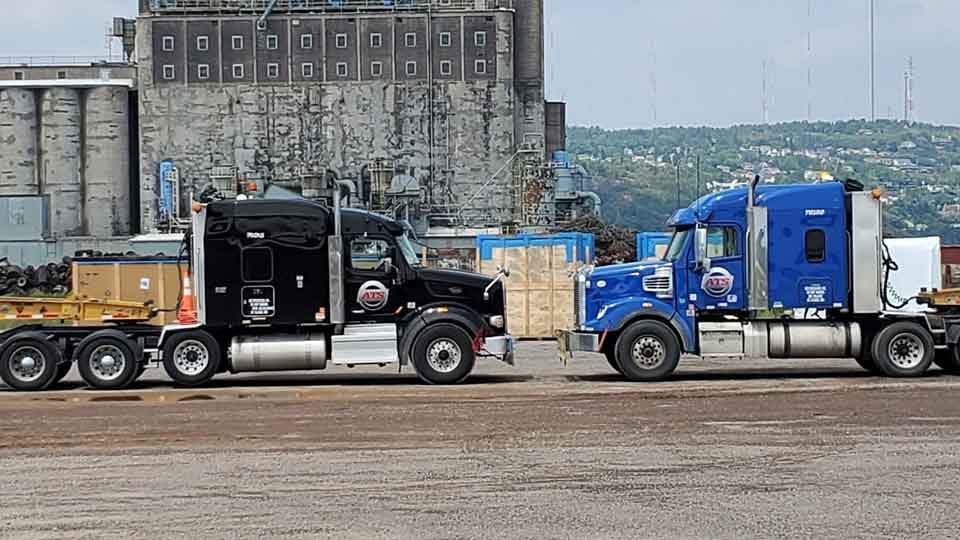
In this age of companies doing more and more in-house rather than relying on vendor partners to provide specialty services, many companies prefer to have a private fleet of trucks and drivers rather than outsourcing these services to a trucking company or freight brokerage.
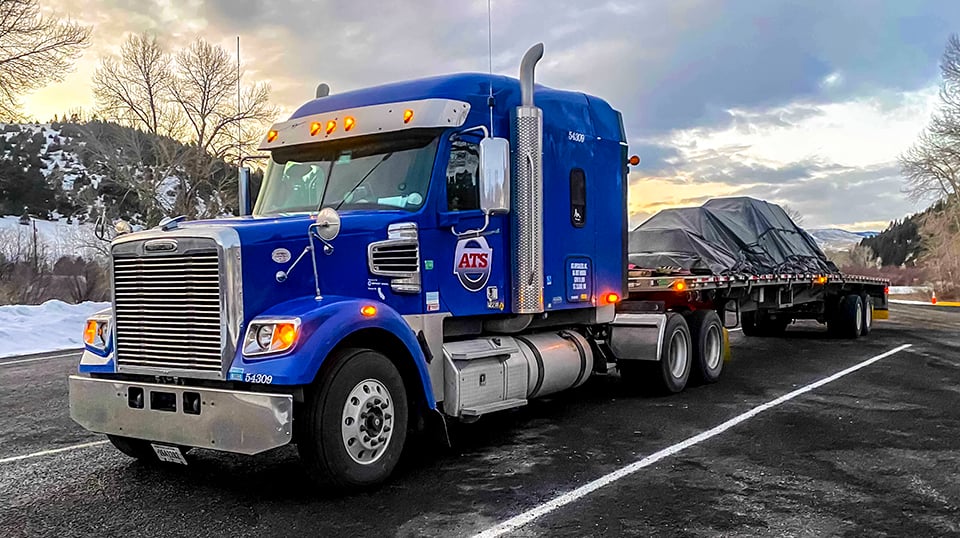
It’s a worst-case scenario for most shippers. Your freight arrives on location with the consignee, and they refuse to accept it.

All industries are susceptible to changes, delays, opportunities and problems. The transportation industry is no different.
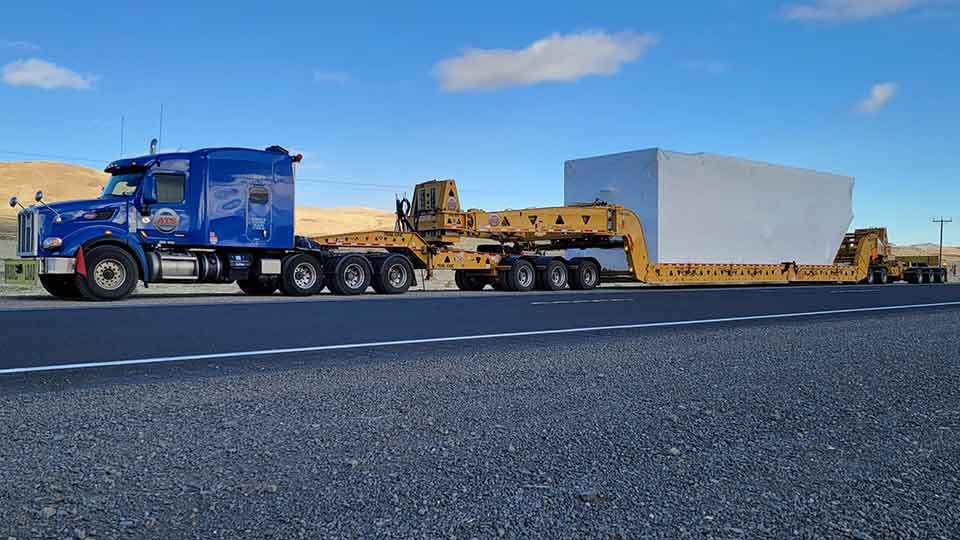
Roads and bridges are engineered to support a specific amount of weight. Exceeding this weight limit can have disastrous consequences, including bridge collapse or permanent road damage.
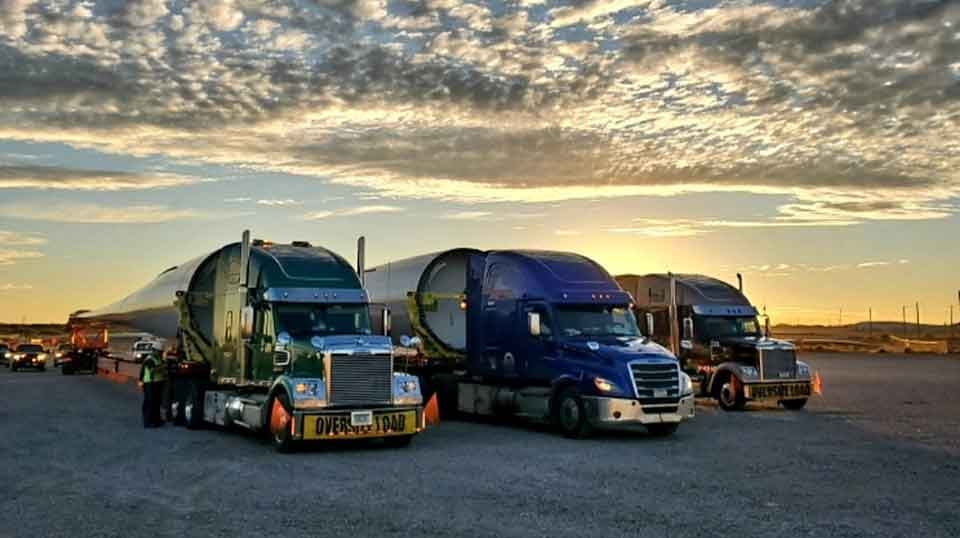
In any business, understanding pricing is critical. Is it okay to go with the cheapest option, or will that cause more problems down the road? Why is the price from last week different from the price today? And why is everything so dang expensive?

Peaches. Coke. OutKast. Atlanta’s exports are well known.
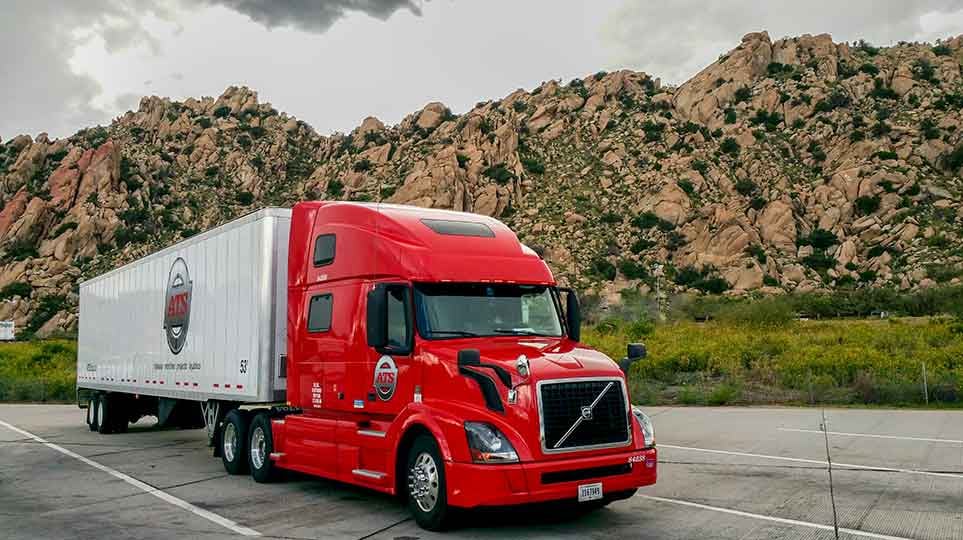
The price of shipping varies based on several variables: the amount and type of freight, the origin and destination, additional driver tasks, and more.

Transportation providers have cargo insurance to protect themselves and customers in the event something happens to freight during transit.

Since the signing of the Declaration of Independence, Philadelphia has been an important city in American history and commerce.

The largest city in North Carolina, Charlotte is a buzzing hive of activity (it’s no wonder the Hornets are their NBA team).
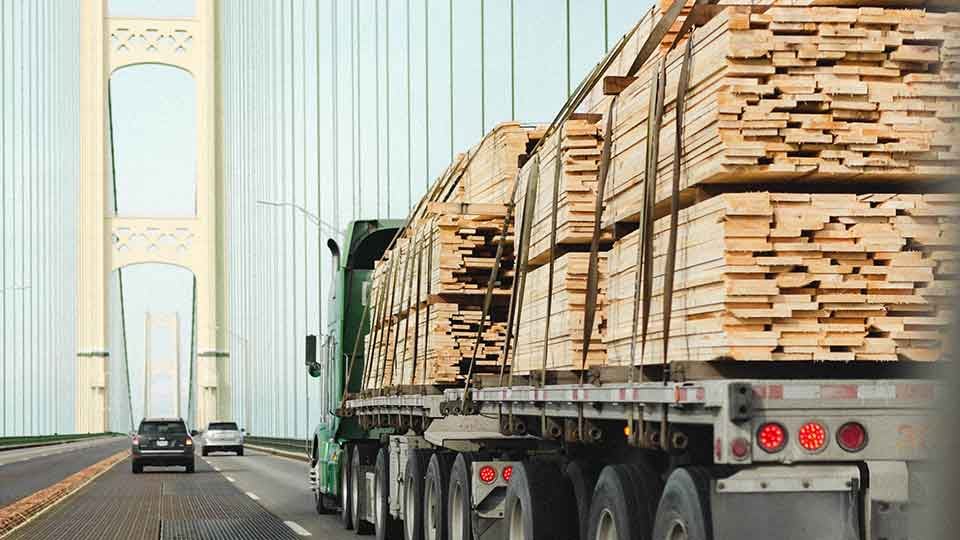
In some senses, the trucking industry is an information industry. Not an information technology industry (although trucking companies rely on world-class technology). Not a research industry. An industry that relies on complete, accurate information.

Ohio’s capital and the largest city in the state, Columbus, has a bustling economy centered around industries like education (The Ohio State University), government, insurance and more.

No matter where you live, it’s likely that your supply chain is impacted by winter weather. Shipments are delayed, trucks get stuck and sometimes main roads close completely.
In the ever-evolving business world, choosing the right transportation provider for your freight can be an overwhelming decision. It has a major impact on your business operations, shipping costs, efficiency and customer satisfaction.

November is a bridge between seasons — and an on-ramp to holiday shipping pressures. For shippers, it’s a month of tight capacity, shifting demand, and scheduling complexity.
You see it on every house flipping and DIY show: Wood flooring dominates the housing market. Homeowners love it because it is easy to clean, doesn’t hold dust and is suitable for most rooms.
Every day, millions of trucks travel the nation’s highways bringing goods to store shelves and customers.

Hostage situations are serious, whether they're in the news or playing out in your supply chain. Freight is considered to be "held hostage" when a party stops the transit or delivery of a shipment until certain demands are met.
Winter comes every year, bringing with it fun things like snowmobiling, skiing and ice skating. It also brings snow, freezing temperatures and wind to many parts of the U.S., which creates treacherous roads.

Suddenly, artificial intelligence (AI) is seemingly everywhere — including the transportation industry. AI is rapidly reshaping the logistics landscape, and its influence is felt especially keenly in digital freight brokerage.
Your most important shipments — high-value goods, tight deadlines or sensitive cargo — need special care and attention from your shipping provider.
Active construction jobsites are dynamic and busy places. With tight timelines and budgets, it’s vital that everything goes well…and often, they don’t. Multiple trades, weather, budget changes, supply chain issues, worker shortages and more keep things busy and evolving.
Every shipment takes planning and coordination to get from A to B. Shipping open-deck freight is uniquely challenging — especially when load dimensions edge into the oversized realm.
Shipping hazardous freight requires attention to detail and strict adherence to regulations. Whether you're transporting chemicals, flammable materials or other dangerous goods, complying with legal and safety requirements is the only way to keep the roads and the public safe.
Before you load your valuable assets onto a truck, it’s important to know who is behind that truck. Who is the broker or carrier? What are their values? What experience and qualifications do they have with your type of freight?
One of the things you may have adapted to when working with a carrier or broker is your point of contact. Your point of contact is the individual you communicate with at the provider, often a salesperson or customer service representative.
The trucking industry is responsible for hauling an incredible number of goods every day — everything from refrigerators to fiber optic cables to gallons of milk.
Cargo theft. It’s rare, but its impact is wide. While porch pirates grab the attention of the average consumer, logistics professionals and shippers are seeing a sizable increase in both old-fashioned and high-tech theft of entire truckloads of commodities including food and beverage products, household goods and electronics.
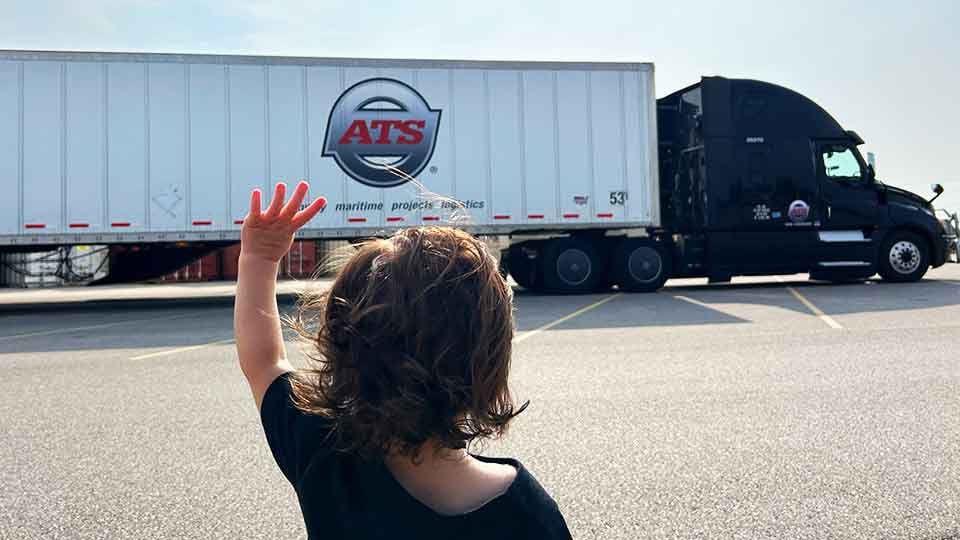
The first step in arranging a shipment is to reach out to a carrier or broker and receive a rate. With just that information, you can decide which provider is best for you based on the competing interests of cost, timing and customer service.
Freight shipping is a complex operation with a lot of variables. Basically, you are trusting some of your valuable assets to a carrier to load, transport and unload them at your final destination.
In the trucking industry, shipments are classified according to the distance they need to travel. The general guidelines are:
In the transportation industry, size matters. If you’ve got flatbed freight that is 8 feet, 5 inches tall, it will drive safely under a bridge. And if that freight is 8 feet, 7 inches high, it requires a permit and a special route to avoid colliding with that bridge — potentially damaging the freight, the truck, the bridge and other vehicles, and possibly closing down a major road.
Forklifts are incredibly useful tools in warehouses, on construction sites and in manufacturing plants. While they are great at lifting and moving heavy items, they are too slow to drive down the road.
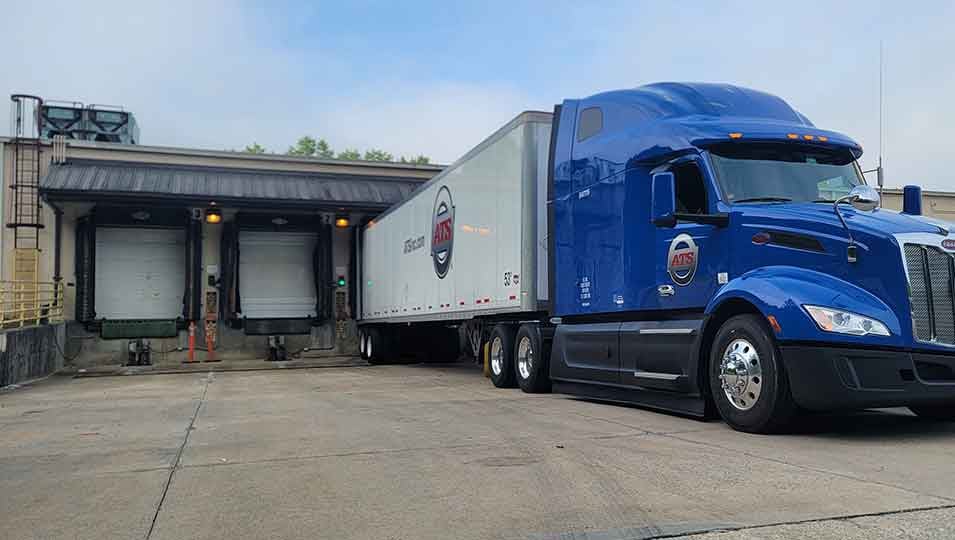
In the transportation industry, there are an infinite number of goods to pick up or deliver: toilet paper, apples, couches, industrial air conditioners — the list goes on.
In the trucking industry, size matters. Freight size determines what type of vehicle will be used, the route it will travel and what additional costs and permits will be needed.
Are you ready for hurricane season? Even if you're in a land-locked state, hurricane season is likely to impact your supply chain. Now is the time to prepare so you aren't worrying about shipments when you should be worrying about getting out safely.
Watch this video to learn how hurricane season can affect your business, how to plan and prepare ahead of time, and what to do before the storm hits.
Want more? Here's some related content to explore next!
When arranging a shipment, one of the first questions you may be asked is if a loading dock will be available at the origin and destination points. Including this information in your initial specifications can help determine how long it will take to load or unload the trailer and give the driver guidance on where to park.
2023 has been an interesting year in many respects. I mean, can you believe Aaron Rodgers won’t be a Packer this season? Strange times. Sad times.

In a global market, there will always be demand for goods from overseas — everything from toys and clothes to fruit and furniture. No matter the commodity, all freight traveling via marine vessel has one thing in common: It enters the U.S. via a port.
Overseas shipping is a complex operation that requires multiple forms of transportation: typically at least one mode to get to the shipping port, one mode to get to the receiving port and one mode to get to the ultimate destination.
Truck drivers are tasked with getting your freight safely from its point of origin to its final destination. Protecting your cargo also keeps the driver, the vehicle and others on the road safe. It’s the driver’s primary role, and they take it seriously.
You’ve heard the horror stories: a friend of a friend’s cousin ships a valuable item cross country. The package gets lost for weeks, your friend’s friend’s cousin finally gives up on ever seeing their valuables again, and finally they receive a box of broken pieces.
Long strips of metal, including steel, aluminum and fiber optic cable, are often wrapped around a coil or spool for shipping. Coiling this type of material saves space and keeps it manageable during transportation and storage.
So you’ve contracted with a freight carrier, and they have indicated that they will be using a step-deck trailer. What does that mean? Will the freight arrive safely to your destination? How does the carrier determine which type of trailer is best for your particular freight?
Shipping goods across the country, and especially from overseas, is rarely as simple as loading the material once at the origin point and then unloading it at the final destination.
Dry vans, those rectangular trailers with a double door in the back, are a common sight along roads and highways. They are one of the most popular vehicles used in the trucking industry, making them readily available and generally affordable.
When contracting for any service, you want to avoid as many unexpected charges as possible. This helps keep the overall project budget in check, and it means you don’t have to justify extra costs to your boss later.
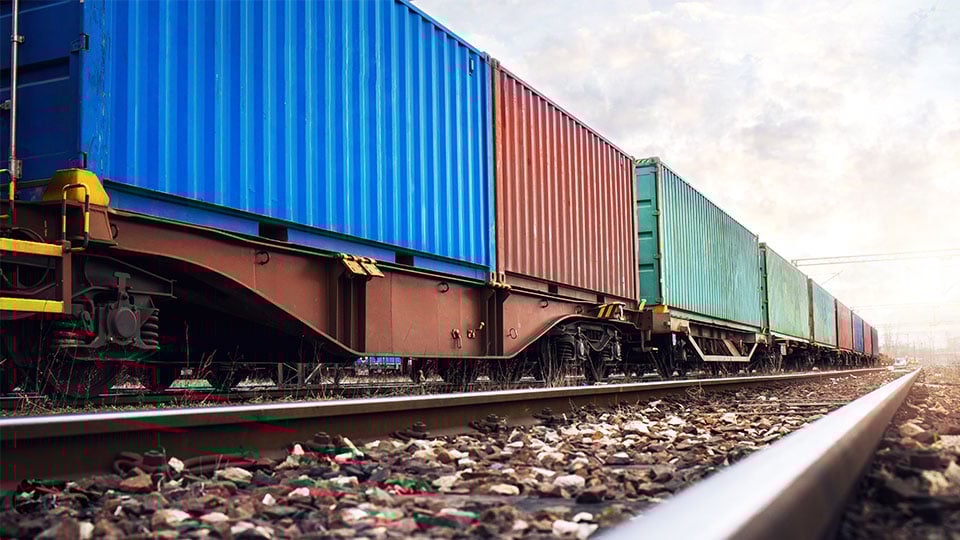
It’s frustrating when your freight rates change — especially on short notice. Freight transportation isn’t your company’s only expense, but the more you pay these bills the more you realize how volatile they are. They might even be your most unpredictable expense each period.

One of the most intriguing things about working in the transportation industry is the sheer diversity of products transportation companies, like Anderson Trucking Service (ATS), get to move. In fact, every product on earth is touched by the transportation sphere in some way during its lifecycle.
Shipping less-than-truckload (LTL) freight can feel a bit like solving a puzzle: you have partial pallets, tight delivery windows, fluctuating rates, and a long list of providers that may or may not be the right fit for the load.

It’s your job to understand the intricate details of the trucking marketplace: its cycles and the factors influencing freight rates. This knowledge helps you adjust your logistics strategy, better collaborate with external stakeholders (like carriers) and explain the cost of shipping to your boss.
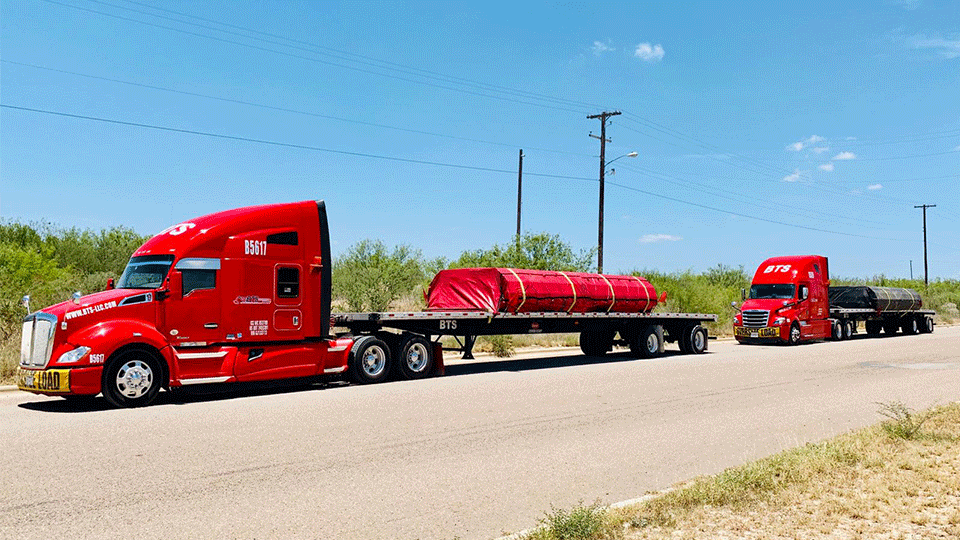
Each of your shipments is important to the success of your business. That’s just a fact. Over the years, your company has developed systems for finding, vetting, selecting and tendering freight to transportation companies.
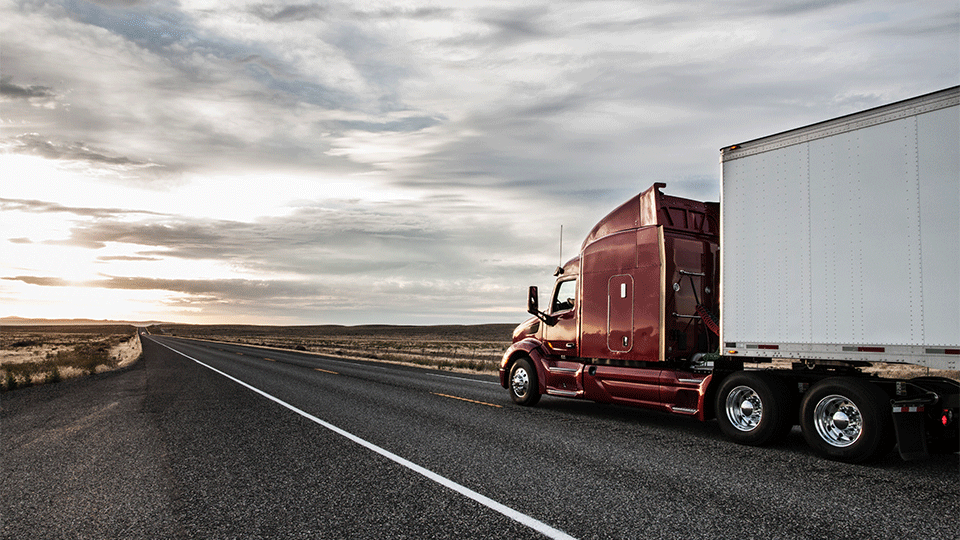
Your freight making it to its destination on time hinges on decisions you made well before it ever loaded. Prime among these decisions is which transportation provider(s) you trust to handle your freight needs.
/FOB1.png?width=744&height=419&name=FOB1.png)
The transportation marketplace is full of terminology, documentation and regulations. People who haven’t worked in or around the transportation industry for an extended period can sometimes feel intimidated at all there is to “know.” In fact, even the most seasoned transportation professionals stumble across something new every now and then.
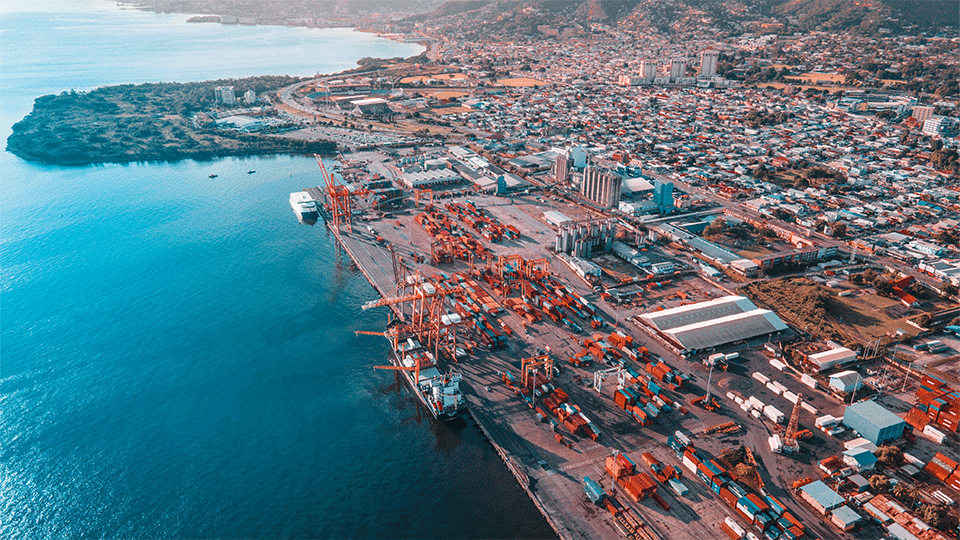
International shipping can feel really complicated sometimes, especially if you’re new to this process. Formulating a transportation concept for an international shipment — whether it’s cross-border or around the world — requires expert knowledge and oversight.