Mark Andres
Since starting at ATS Logistics as a regional carrier representative in January 2006, Mark's work ethic and leadership excellence have helped him rise through the ranks. He was promoted first to operations manager and then to operations director, a position he's held for over five years. Although Mark enjoys many parts of his job, contributing to the growth and development of ATS Logistics' employees tops the list. He strives to help each new hire reach their full potential as a member of the ATS Logistics family.
Articles by Mark Andres

You’re not imagining things: Cargo theft really is on the rise — and it has been for a while.
Cargo theft. It’s rare, but its impact is wide. While porch pirates grab the attention of the average consumer, logistics professionals and shippers are seeing a sizable increase in both old-fashioned and high-tech theft of entire truckloads of commodities including food and beverage products, household goods and electronics.

The last few months have been challenging for the world as a whole. Among other things, the impact of international conflicts, continued labor shortages and the ongoing COVID-19 pandemic, have exacerbated the supply-chain-congestion issues that began at the onset of 2020.
 Cargo claims are never fun. Properly filing one can be both confusing and frustrating. This is especially true when working with a freight broker to move your freight.
Since freight brokerages aren’t trucking companies, many shippers simply don’t know where to turn for compensation on an over, short, and/or damaged (OS&D) load.

After nearly seven decades in the transportation business, ATS’ priorities haven’t changed. Our goal is to deliver for our customers so that they can deliver for theirs.
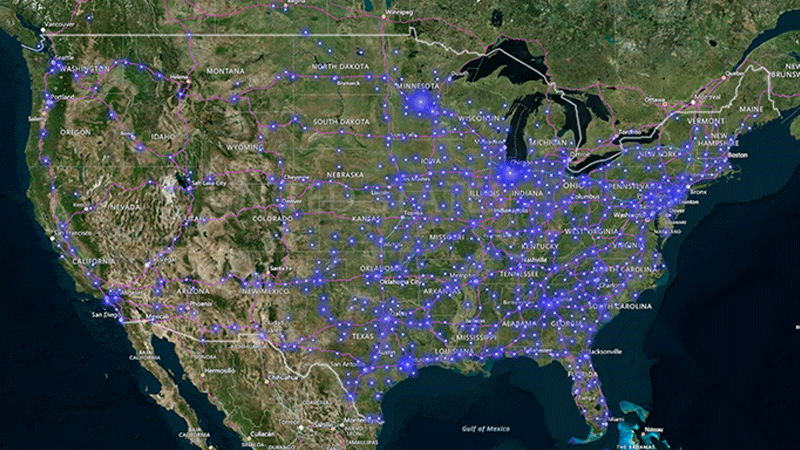
The best freight carriers track loads to confirm progress, spot risks early, and keep shippers in the loop. But if you're working with a broker — which doesn't own trucks or employ drivers — for the first time, you may be worried about the visibility of your shipments.
 The days of doing business over fax or even snail mail are fading. This could be due in part to the fact that people within a company generally aren’t in a central office anymore — particularly now in the work-from-home world we live in. But ultimately it comes down to speed and clarity in communication.