Becoming a diesel mechanic can be a great career path if you enjoy working with your hands, solving problems, and learning how things work. But what does it actually take to get started? Let's talk about it!
How do you become a diesel mechanic?
There are two common pathways you can take to become a diesel mechanic:
- Attend a diesel mechanic program at a college or technical school.
- Receive on-the-job training while working as a diesel mechanic.
Both can prepare you for a successful career, but they differ in cost, time, and how you gain experience. The right option for you will depend on your unique circumstances and goals.
As a senior talent acquisition specialist at Anderson Trucking Service (ATS), with a background in mechanics and teaching mechanics, I help people like you make decisions about their careers every day. In this article, I’ll compare the two most common paths to becoming a diesel mechanic so you can decide which one is right for you.
Become a Diesel Mechanic by Earning a Diesel Mechanic Degree
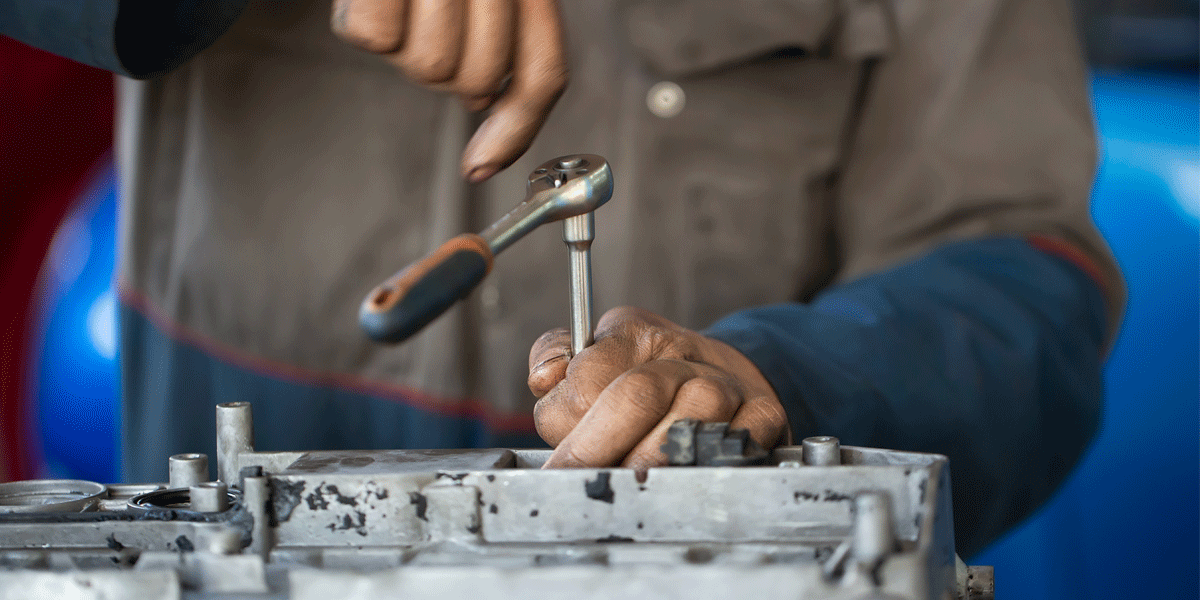
One way you can become a diesel mechanic is by completing a diesel mechanic program at a college or technical school.
These programs teach you how to maintain and repair heavy-duty diesel-powered equipment, from construction and farm equipment to buses, mining equipment, and large trucks. Along with your diesel mechanic training, you’ll usually take general education courses like math and English.
What is diesel mechanic school like?
Typically, you’ll spend about 25 percent of your time in the classroom and 75 percent in a shop doing hands-on work.
You may also choose to gain experience through an internship or work-study program while you’re in school. Through these programs, you’ll start by learning basic tasks like oil changes, greasing trucks, replacing lights, and doing simple electrical work. As your education progresses, so will the work you take on.
Fortunately, many diesel mechanic internships are paid, and work-study programs can help cover the cost of school. To help you find these opportunities, your college may have a list of local employers offering internship or work-study programs.
How long does diesel mechanic school take?
Most diesel mechanic programs take one or two years to complete. Here in Central Minnesota, many take two years.
Pros of Earning a Diesel Mechanic Degree
Going to school to become a diesel mechanic has a number of advantages. Choosing this path can help you:
- Earn a degree that can strengthen your resume and show employers you completed formal training.
- Receive a wider scope of training by working with different engine types and manufacturers, rather than only the equipment used by one company.
- Gain more hands-on practice before entering the workforce so you can build experience in a structured learning environment.
- Qualify for a wider range of job opportunities, including employers that require a degree or prior experience.
Cons of Earning a Diesel Mechanic Degree
While going to school has its advantages, there are also some drawbacks to consider:
- Tuition can be expensive. Many diesel mechanic programs cost between $12,000 and $20,000.
- School requires a significant time commitment. Most diesel mechanic programs take one or two years to complete and can limit how much time you have available to work.
- Balancing school and work can be challenging. If you’re attending classes for several hours a day and working 20-30 hours per week, your schedule can fill up quickly.
- General education courses take additional time. Along with diesel mechanic training, you may also need to complete classes like math and English.
Become a Diesel Mechanic Through On-the-Job Training
In some cases, you can also start a diesel mechanic career without attending college.
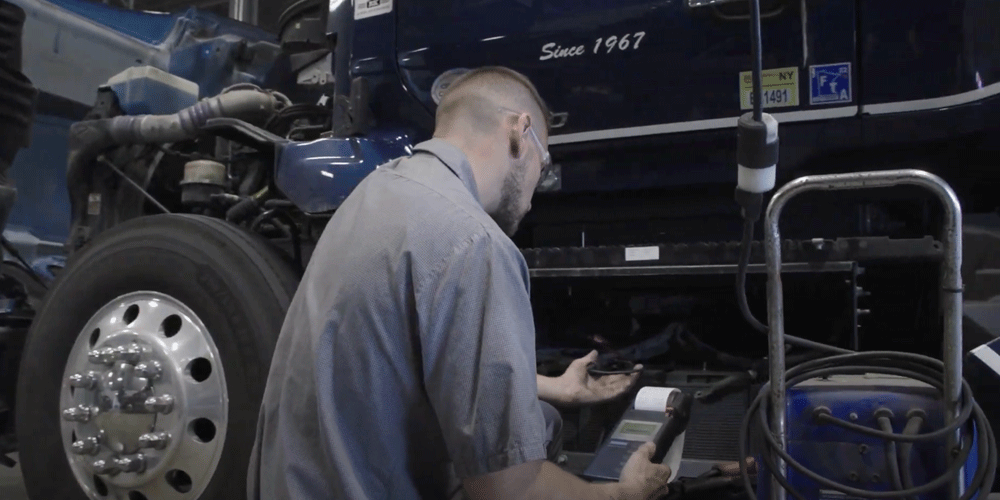
Some companies offer entry-level positions that include on-the-job training with experienced mechanics. Essentially, these companies pay you to learn how to become a diesel mechanic.
How does on-the-job diesel mechanic training work?
Depending on the position, you may not need previous mechanical experience to get started. Instead, you’ll build the required skills as you work one-on-one with a trainer or senior technician. First, you’ll watch them perform tasks and ask questions to help you understand the basics. As you progress, you’ll begin to do the tasks under their supervision until you’re ready to work more independently.
This type of training has helped many ATS diesel mechanics build successful careers. But keep in mind that not every company offers on-the-job training, so finding the right opportunity may take some research. Try searching for “entry-level diesel mechanic jobs with on-the-job training” or contacting local trucking companies to ask about their training programs.
How long does diesel mechanic training take?
Depending on the program and how quickly you develop your skills, on-the-job training usually lasts 12-18 months.
Pros of On-the-Job Diesel Mechanic Training
On-the-job training can be a good option if you want to start working right away instead of going to school. This path can help you:
- Start earning money right away as a full-time employee without paying tuition or spending time in a classroom.
- Maintain a more manageable schedule by working an eight-hour day without having school and homework on top of that.
- Potentially complete your training faster if you pick up the skills quickly.
- Gain experience solving real-world mechanical problems by working on actual equipment instead of only practicing on training components.
Cons of On-the-Job Diesel Mechanic Training
However, on-the-job diesel mechanic training isn’t the right choice for everyone. Some potential drawbacks include:
- You won’t earn a degree. If you change companies later, you’ll need to rely solely on the experience you gained through your previous company.
- Training quality varies by company. The depth of your training and opportunities to advance will depend on the employer.
- You may have limited exposure to different original equipment manufacturers (OEMs). Your training will focus on the specific equipment your company uses, so you may need to learn different systems or techniques if you move to another employer in the future.
College vs. On-the-Job Training: Which Path is Right for You?
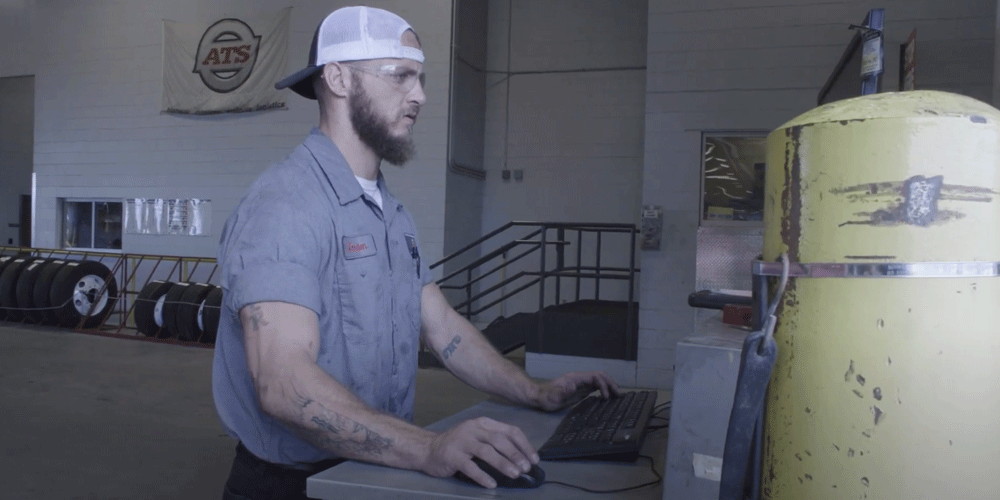
There’s no single right way to become a diesel mechanic. The best path for you should depend on what you want from your training and what works with your current financial situation, schedule, and personal preferences.
If earning a degree and receiving broader training are important to you, college may be a better fit. If you’d rather start working and earning money right away while learning on the job, on-the-job training may make more sense.
Ultimately, think about what matters most to you and which path will best support where you want your career to go. Here is a quick table to help you compare the two options.
| Diesel Mechanic School | On-the-Job Training | |
| Time to Complete | 1-2 years | 12-18 months |
| Pay During Training? | Sometimes, through internships or work-study programs | Yes |
| Degree Earned? | Yes | No |
| Variety of Training | Typically broader | Depends on employer and equipment |
| Hands-on Experience | Some | Built into the job |
| Best For: | Individuals seeking a formal education and broader training | Individuals wanting to start working and earning money sooner |
Frequently Asked Questions
Start Your Diesel Mechanic Career at ATS
Whether you’re looking for a work-study program or on-the-job training, ATS can help you gain the hands-on experience you need to become a diesel mechanic.
You’ll learn from knowledgeable, experienced mechanics who understand what it takes to succeed in the field. Because we limit the number of training positions available, our trainers can spend more time working with each student. Your hands-on training is also supported by computer-based training and quizzes that reinforce what you’re learning in the shop.
As you build your skills and experience at ATS, you’ll have opportunities to progress beyond basic maintenance, like oil and tire changes, and take on more advanced work.
Ready to get started? Check out our diesel mechanic openings.
Related Articles
- What is a Diesel Mechanic?
- Working for a Fleet vs. a Dealership as a Diesel Mechanic
- The 6 Skills Needed to Become a Diesel Mechanic
- How Diesel Mechanics Get Paid
- Required Certifications for Diesel Mechanics