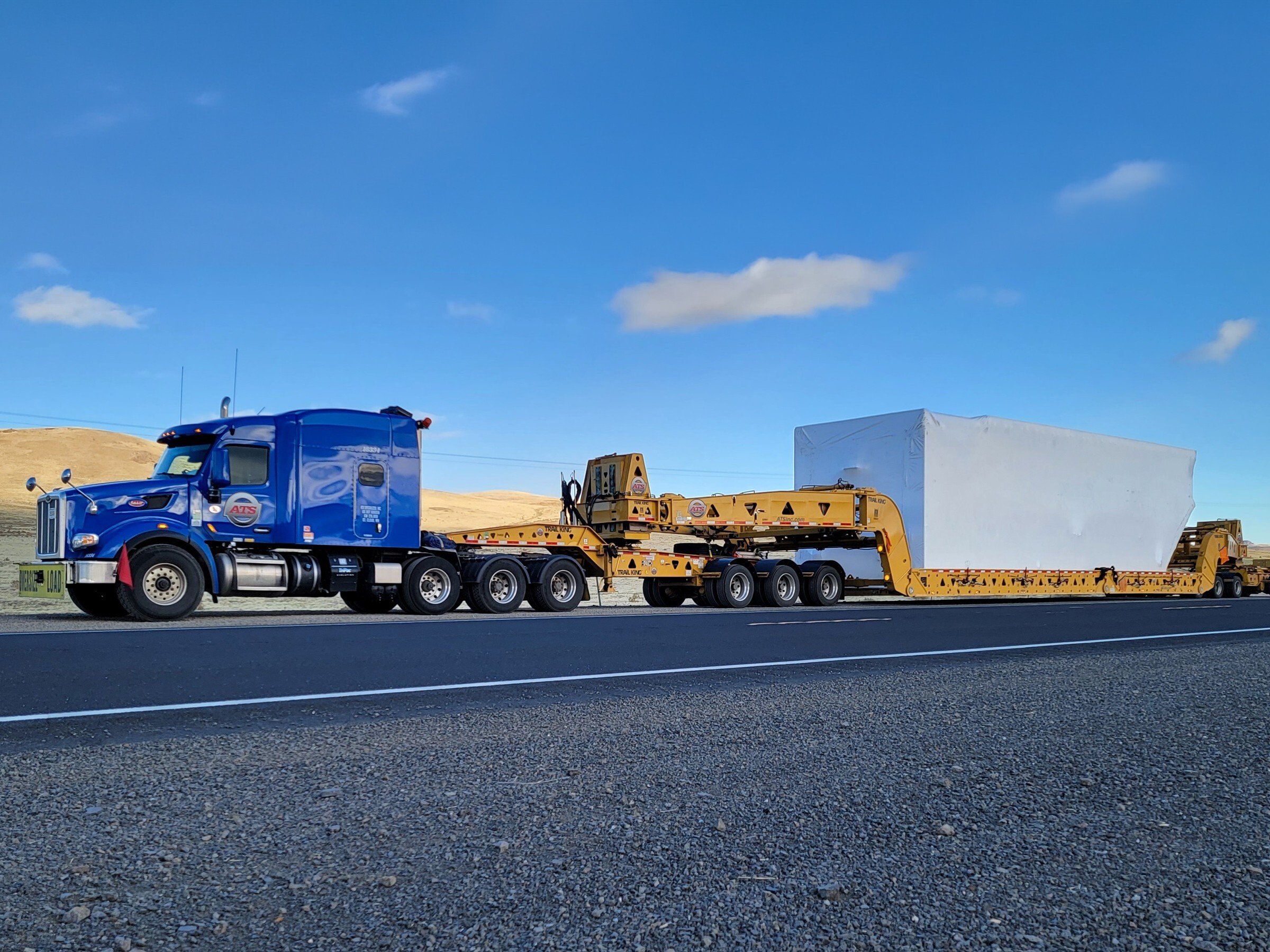
With the rapid growth of artificial intelligence (AI) and other emerging technologies, demand for data centers is booming. New facilities are being built all around the nation — and fast.
As data center construction accelerates, so does the need to transport the critical infrastructure that powers these facilities. Moving that infrastructure, however, is far more complex than shipping standard freight.
To understand why, let’s first look at what data centers are and the type of equipment they rely on.

What is a Data Center?
A data center is a physical facility used to store, manage, and process large amounts of data. Think of it as a massive warehouse of servers that keep the digital world running.
In order to keep those servers operating 24/7, data centers rely on two critical components: power and cooling.
Power supplies the electricity needed to keep thousands of servers running continuously, while cooling removes the heat they generate.
What Equipment Do Data Centers Need?
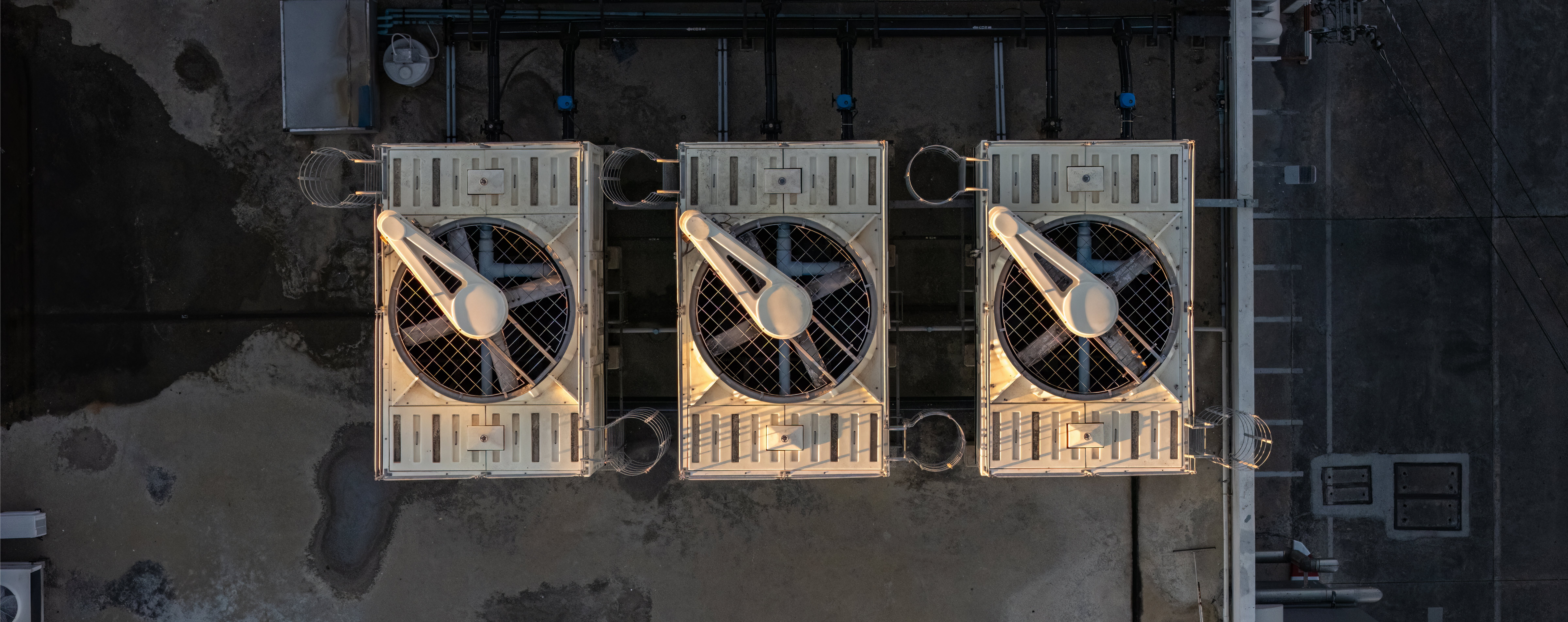
Data centers rely on thousands of components, from servers and storage systems to switches, routers, batteries, and cabling. While much of this equipment ships as standard freight, the largest transportation challenges come from the oversized infrastructure that powers and cools the facility.
This includes equipment such as:
- Generators
- Fuel tanks
- Cooling towers
- Chillers
- Air exchangers
- Transformers
Why Data Center Shipping is Different
Much of the equipment used to power and cool data centers is oversized, high-value, and requires specialized transportation. Moving these components often involves heavy-haul trailers, route surveys, permits, and detailed planning before the shipment ever leaves the facility.
The stakes are also much higher than with typical freight. A lot of data center equipment costs millions of dollars and takes weeks to make. There aren't backups just laying around. If a critical piece is damaged during transit, manufacturers may need to build a replacement, delaying construction schedules and adding significant costs to the project.
These characteristics make data center shipping far more complex than standard freight and create several logistics challenges. Fortunately, many of these challenges can be addressed with the support of an experienced transportation provider.
At Anderson Trucking Service (ATS), we work closely with data center project teams to develop transportation plans that help keep projects moving safely and on schedule.
The Common Challenges of Data Center Shipping
1. Limited Specialized Transportation Capacity
As mentioned earlier, many data center components require specialized trailers, such as perimeter trailers, capable of moving oversized freight.
Unlike standard flatbeds, these trailers are much more expensive to purchase and operate, making them relatively scarce in the transportation industry.
Because specialized trailer capacity is limited, it's important to work with a transportation provider that has access to equipment designed for oversized infrastructure. ATS has invested in perimeter trailers to help support the growing demand for data center projects.
As data center construction continues to grow, competition for this capacity will only increase.
Tip: Plan transportation early to improve your chances at securing the specialized capacity you need.
2. Complex Route Planning, Permits, and Site Logistics
Transporting data center equipment takes a lot of prior planning.
Before a shipment moves, transportation providers need to ask shippers many questions, such as:
- Can you provide a drawing of the cargo?
- Can you provide a map of the site?
- Where is the cargo's center of gravity?
- Does the cargo have designated securement points and lifting lugs?
- Where will cranes be positioned during delivery?
They ask these questions to help determine:
- The right trailer for the shipment.
- How the cargo should be positioned and secured.
- Whether the delivery site has enough space for an oversized truck to access and maneuver.
Oversized loads also require permits from every state they’ll travel through, which can oftentimes take two to four weeks to obtain. Even if you’ve secured capacity, your shipment cannot move without these permits.
This means prior transportation planning is essential. At ATS, our in-house project, permit, and technical services teams help coordinate every step of the planning process.
Tip: Allow at least 45-60 days for planning and permitting before shipping your equipment.
3. Every Shipment is Different
One of the biggest mistakes companies make is assuming a new shipment will move exactly like the last one.
Even minor changes to the equipment delivery site, or route can create entirely new transportation challenges, no matter how many times you've complete a similar shipment before.
For example, a carrier may have previously loaded equipment at the same manufacturing facility, only to discover the next shipment originates from a different building with different loading capabilities. What worked on one project may not work on the next.
Tip: Never assume two shipments are the same. Verify the details of every shipment.
4. Communication Breakdowns
Data center projects involve numerous stakeholders, including manufacturers, transportation providers, loading crews, and project teams.
Successful shipments depend on clear communication between everyone involved. For example, having the transportation provider speak directly with the loading crew helps ensure everyone understands the exact loading plan and requirements before shipment day.
Just as importantly, changes should be communicated as soon as they arise. The sooner stakeholders are informed, the more time everyone has to adjust plans and avoid potential issues.
Tip: Involve all relevant stakeholders and communicate changes as soon as they arise.
3 Best Practices for Successful Data Center Shipping
At ATS, we’ve spent decades helping coordinate transportation for complex projects. This experience has given our team firsthand knowledge of the planning and coordination required to avoid common transportation challenges.
While every data center project is different, these three best practices can help you avoid costly delays.
1. Start Transportation Planning Early
Transportation shouldn't be an afterthought.
You need to involve an experienced transportation provider early on who can guide you through securing capacity, obtaining oversized/overweight (OSOW) permits, planning routes, and conducting site reviews.
Early transportation planning gives everyone time to solve problems before they become costly delays.
2. Provide Accurate Shipment Information
Transportation planning can only be as accurate as the information provided.
Make sure you provide accurate weights, dimensions, center of gravities, and any other relevant information for transporting your machinery. This will guide proper trailer selection, route planning, permitting, and loading plans.
3. Prioritize Communication
Stay in consistent contact with your transportation provider and communicate any changes that arise.
Data centers involve many moving pieces, and details inevitably change.
Successful shipments aren't necessarily the ones without changes. They're the ones where changes are communicated early enough for everyone to adapt.
Frequently Asked Questions
Data center shipping is complex, but it doesn't have to be overwhelming.
The ATS team is here to help you navigate through every stage of data center transportation, from planning and permitting to final delivery.
Planning an upcoming data center project? Contact ATS to speak with one of our project logistics specialists and start building your transportation plan.