
You watch a shiny new patrol car blaze past you, lights flashing. You catch a glimpse of the officer behind the wheel. The focused determination on their face never wavers as they escort a VIP down the highway. Is it the President? A foreign dignitary? Beyoncé?
The transportation industry is always changing and evolving, developing new ways to make it easier to send and receive freight. Among the industry’s many creative solutions are moving floor trailers, a specialized trailer type designed to make loading and unloading freight more efficient.

Just like Bon Jovi, blind shipping is misunderstood.
At Anderson Trucking Service (ATS), we’ve seen and heard it all when it comes to blind shipping.
“Hey, this load doesn’t have a delivery address; where am I supposed to drop off?”
“Did you mean to send that BOL without consignee information?”
“Is this even legal?”
You name it, we’ve answered it. We’ve become so familiar with the most common questions about blind shipping, it inspired us to put the answers all in one place — here!
With so many options to choose from, it’s understandable to wonder which type of transportation provider is best for your company’s supply chain. Choosing poorly can create delays, communication issues, and impact your ability to deliver for customers.

It’s true: I’m a package-tracking enthusiast. I get a thrill when my email inbox pings with that all-important tracking information. I delight in watching my parcels move through the country, and I eagerly anticipate their arrival at my doorstep.
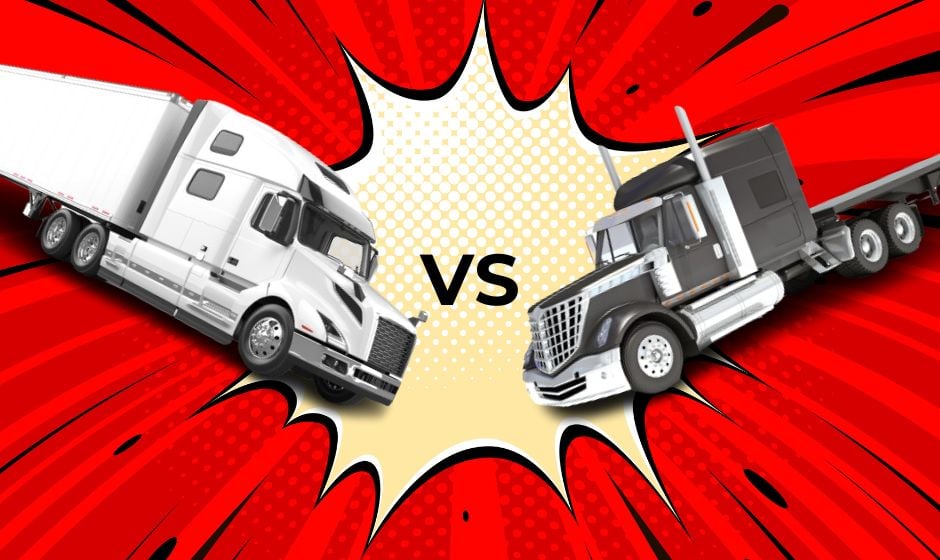
Chocolate vs. vanilla. The Rock vs. Stone Cold. Dry van vs. flatbed shipping. Life is full of tough calls! Among the toughest for shippers? Choosing the right method of moving freight for your shipping needs and your bottom line.
Dallas. Home of the Cowboys, the Mavericks, the Rangers, and 6.5 million people. The Dallas-Fort Worth metro area is one of the largest in Texas, not to mention the entire U.S.