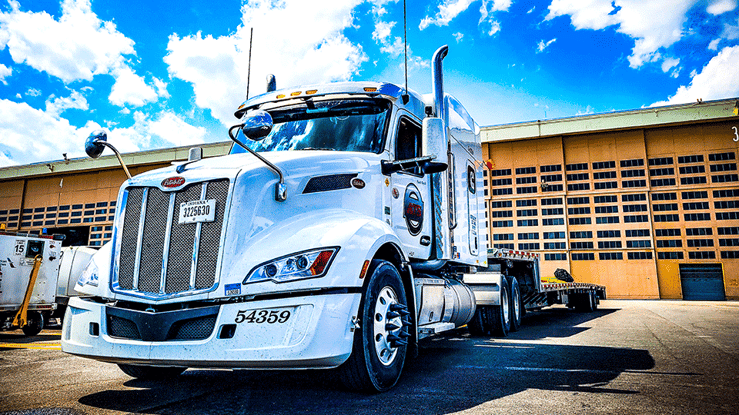
In today's globalized economy, efficient, strategic shipping solutions are more crucial than ever — especially for shippers moving a large volume of freight annually.

On June 11, 2024, the Canadian government and the Public Service Alliance of Canada (PSAC), the union representing over 9,000 Canadian Border Services Agency (CBSA) workers, reached a tentative collective agreement.
New of the agreement eased fears of a labor action that would have slowed activity at the border, including the movement of Canada-bound freight shipments.
The transportation industry is brimming with terminology, acronyms, and abbreviations that are unique to the business of freight movement.
To the uninitiated, the sheer amount of things to learn and variables to manage can be overwhelming.
Shipping freight by air for the first time — or even the 101st time! — can feel overwhelming, especially for shippers unfamiliar with the many unique terms and processes involved.

Sending valuable freight across the country is a stressful experience for shippers — and that’s before factoring in the extra time, effort, and cost to obtain over-dimensional (OD) freight permits.

In the ever-changing world of freight shipping, carriers constantly face the challenge of balancing stability with flexibility.

As a shipper, the type of trailer you choose to haul your freight can make a significant impact on your operations. Without investing time and consideration into making an informed decision, you could end up with consignees receiving damaged goods — far from the ideal scenario for anyone involved.
Conestoga trailers, with their innovative sliding tarp systems, are a compelling alternative to traditional flatbeds and dry vans.
Known for providing the accessibility of a flatbed with the weather protection of a van, these specialized trailers can streamline your freight loading and unloading processes.
But Conestogas aren’t a perfect fit for all types of freight. That’s why it’s important to understand all the pros and cons before determining whether they’re right for your use case.
At Anderson Trucking Service (ATS), we’re in the business of matching freight with trucks — the right trucks for every load. That includes choosing the trailer type that will provide the most value to the shipper, which can occasionally mean branching out to a specialized trailer type like a Conestoga.
In this article, we'll delve into the advantages and disadvantages of Conestoga trailers, providing insights to help you determine if they align with your company's shipping needs.
Whether you're seeking to improve loading efficiency, protect your cargo from weather elements, or reduce the risk of tarp-related damage, we'll cover everything you need to know to make an informed decision.

Landing at the perfect peak of summertime, the Fourth of July is an exciting time to be an American.