2025 Retail Peak Season: What Shippers Need to Know to Stay Competitive


To say that freight shippers have a lot on their plates would be an understatement. The constant juggle of schedules, carriers, regulations, costs, and timelines can be overwhelming — not to mention a drain on valuable resources that could be better spent on core business priorities.

In today's globalized economy, efficient, strategic shipping solutions are more crucial than ever — especially for shippers moving a large volume of freight annually.
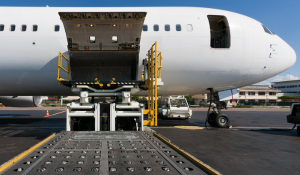
Shipping freight by air for the first time — or even the 101st time! — can feel overwhelming, especially for shippers unfamiliar with the many unique terms and processes involved.

As a shipper, the type of trailer you choose to haul your freight can make a significant impact on your operations. Without investing time and consideration into making an informed decision, you could end up with consignees receiving damaged goods — far from the ideal scenario for anyone involved.
Conestoga trailers, with their innovative sliding tarp systems, are a compelling alternative to traditional flatbeds and dry vans.
Known for providing the accessibility of a flatbed with the weather protection of a van, these specialized trailers can streamline your freight loading and unloading processes.
But Conestogas aren’t a perfect fit for all types of freight. That’s why it’s important to understand all the pros and cons before determining whether they’re right for your use case.
At Anderson Trucking Service (ATS), we’re in the business of matching freight with trucks — the right trucks for every load. That includes choosing the trailer type that will provide the most value to the shipper, which can occasionally mean branching out to a specialized trailer type like a Conestoga.
In this article, we'll delve into the advantages and disadvantages of Conestoga trailers, providing insights to help you determine if they align with your company's shipping needs.
Whether you're seeking to improve loading efficiency, protect your cargo from weather elements, or reduce the risk of tarp-related damage, we'll cover everything you need to know to make an informed decision.

Just like Bon Jovi, blind shipping is misunderstood.
At Anderson Trucking Service (ATS), we’ve seen and heard it all when it comes to blind shipping.
“Hey, this load doesn’t have a delivery address; where am I supposed to drop off?”
“Did you mean to send that BOL without consignee information?”
“Is this even legal?”
You name it, we’ve answered it. We’ve become so familiar with the most common questions about blind shipping, it inspired us to put the answers all in one place — here!

It’s true: I’m a package-tracking enthusiast. I get a thrill when my email inbox pings with that all-important tracking information. I delight in watching my parcels move through the country, and I eagerly anticipate their arrival at my doorstep.

All industries are susceptible to changes, delays, opportunities and problems. The transportation industry is no different.
In any business, understanding pricing is critical. Is it okay to go with the cheapest option, or will that cause more problems down the road? Why is the price from last week different from the price today? And why is everything so dang expensive?
To say that freight shippers have a lot on their plates would be an understatement. The constant juggle of schedules, carriers, regulations, costs, and timelines can be overwhelming — not to mention a drain on..
In today's globalized economy, efficient, strategic shipping solutions are more crucial than ever — especially for shippers moving a large volume of freight annually.
Shipping freight by air for the first time — or even the 101st time! — can feel overwhelming, especially for shippers unfamiliar with the many unique terms and processes involved.
As a shipper, the type of trailer you choose to haul your freight can make a significant impact on your operations. Without investing time and consideration into making an informed decision, you could end up..
Just like Bon Jovi, blind shipping is misunderstood.
At Anderson Trucking Service (ATS), we’ve seen and heard it all when it comes to blind shipping.
“Hey, this load doesn’t have a delivery address; where am I..
It’s true: I’m a package-tracking enthusiast. I get a thrill when my email inbox pings with that all-important tracking information. I delight in watching my parcels move through the country, and I eagerly..
All industries are susceptible to changes, delays, opportunities and problems. The transportation industry is no different.
In any business, understanding pricing is critical. Is it okay to go with the cheapest option, or will that cause more problems down the road? Why is the price from last week different from the price today?..






You don't want your freight in just anyone's hands. Find a transportation provider that cares about your safety and your reputation. Learn how ATS can help.