Jay Thomassen
Jay is the Vice President of Commercial Services for ATS International. Jay advanced to his current role after more than a decade as Director of ATS International. He has partnered with ATS since 1992 in his various roles with both U.S. domestic and ocean transportation carriers. Jay began his transportation career in 1986 as a commercial over-the-road driver following his service in the U.S. Navy.
Articles by Jay Thomassen
Freight shippers are no strangers to uncertainty. And right now, tariffs are one of the biggest unknowns hanging over the industry.
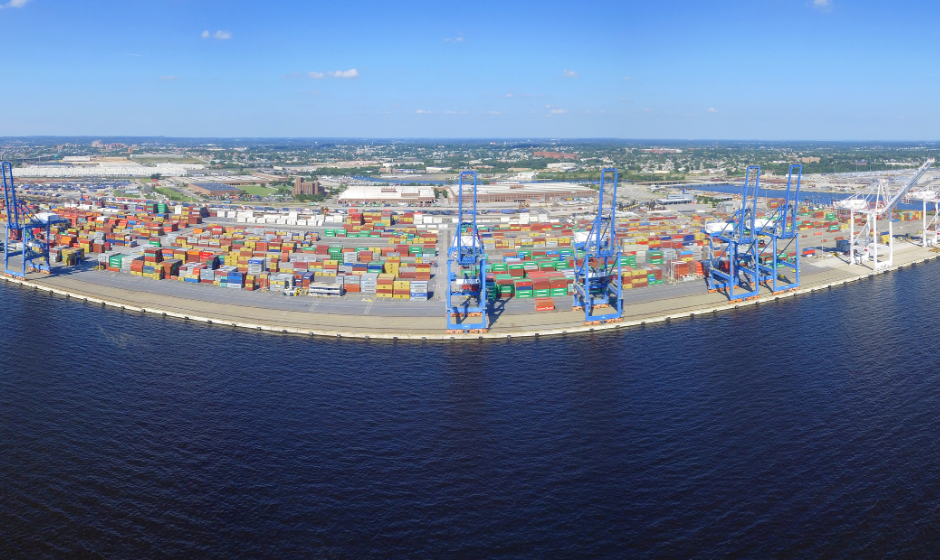
Whether a port closes due to a worker strike, extreme weather, or an infrastructure failure, it represents a major hiccup in the supply chains of shippers around the world.
As a company that participates in the movement of international cargo, you’ve likely uncovered the sheer complexity of this process. With so many transportation providers to choose from and a variety of methods for moving freight, it’s natural to feel overwhelmed sometimes.

Logjam. Bottleneck. Clog. Impasse. Gridlock.
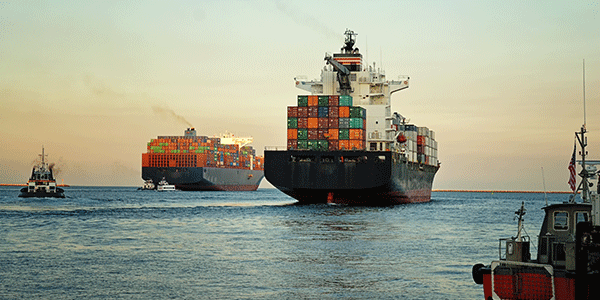
Whatever word you want to use, we’re seeing it happen in the international shipping industry.
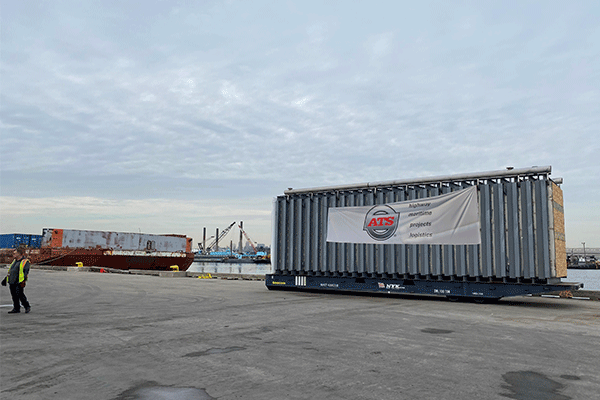
The world we live in is really quite large. And with seven continents, 195 countries and 835 inland and seaports currently active across the globe, moving freight internationally gets more complicated every year.
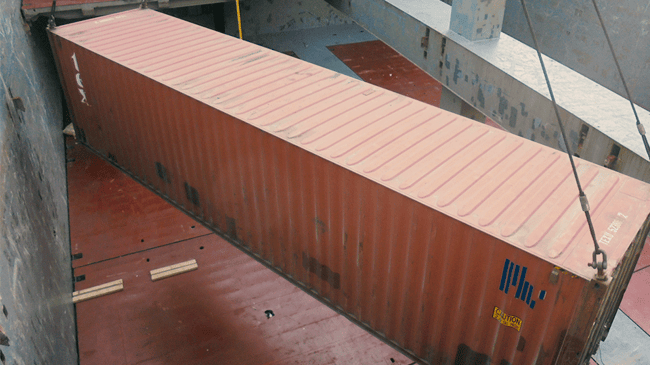
Most shippers assume if a carrier's negligence causes damage to your freight while in transit, they're liable to cover up to a set dollar amount per pound of freight. When the freight is more valuable than what's covered under liability, cargo insurance covers the difference.
But overseas shipping is different.
 You never want to experience delays. It doesn't matter whether you're shipping domestically or internationally, delays mean missed deadlines, upset clients and lost revenue. However, due to the complex nature of overseas shipping, freight stuck in a port across the globe can prove to be more difficult to get to its final destination than domestic shipments.
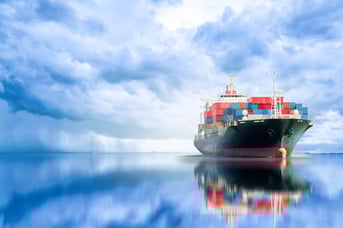 The coronavirus pandemic has affected nearly every facet of international logistics and commerce — and some consumers and businesses are scrambling to get the goods and supplies they need to weather the storm.