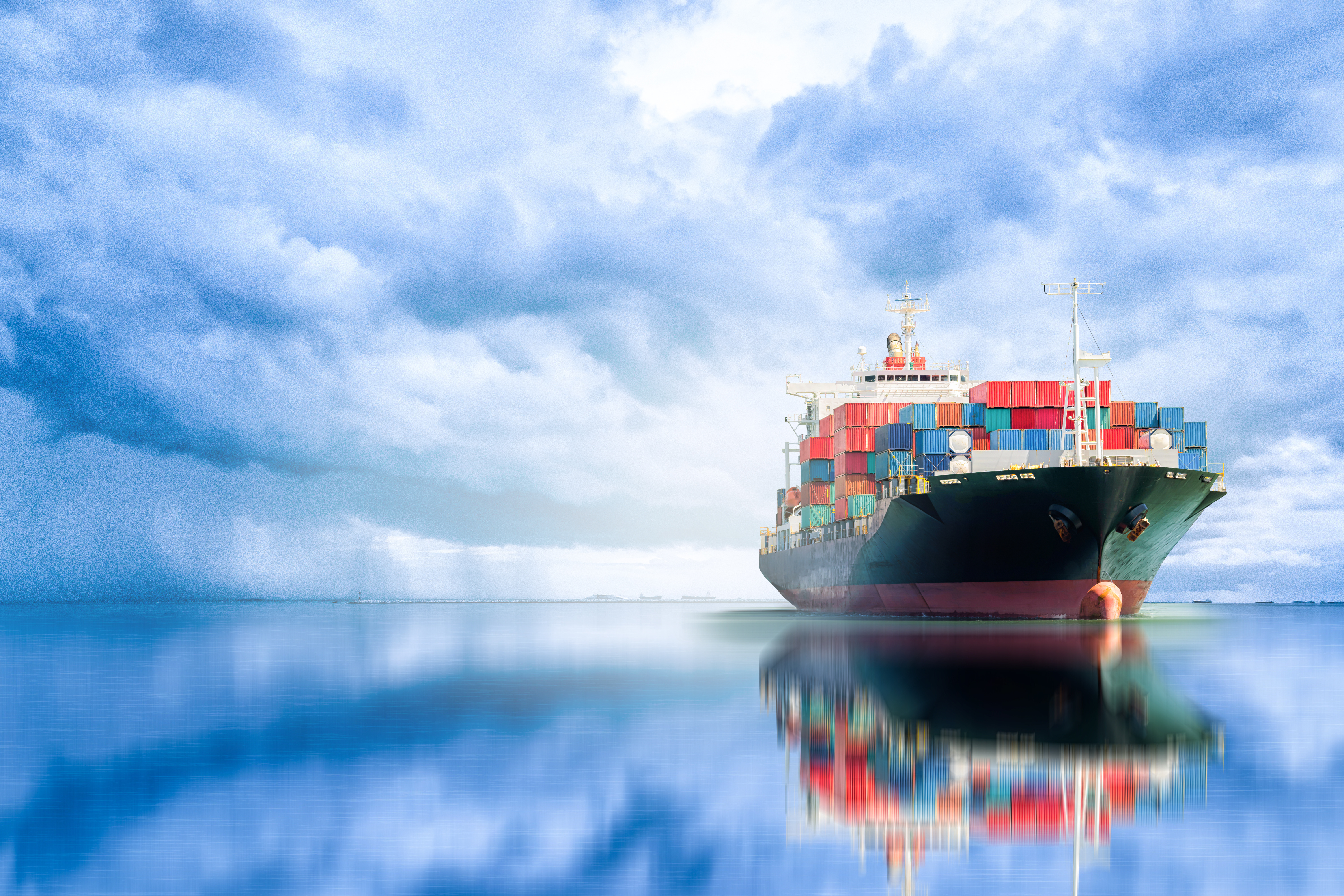
Key Takeaways:
- Most cross-border freight is transported via through-trailer service or transloading.
- Through-trailer is best for over-dimensional and high-value freight.
- Transloading is best for ..
Key Takeaways:

If you’ve attempted to ship any of your inventories internationally lately, you’re fully aware of the struggle all shippers are facing. It feels impossible to find any equipment to ship your products on or in. And if you can find something, it’s probably weeks or possibly even months out before it sails.
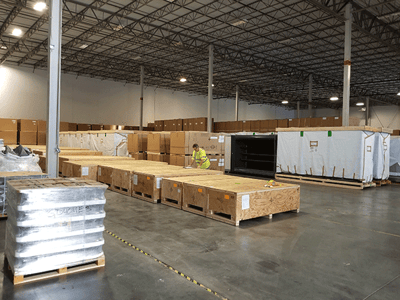
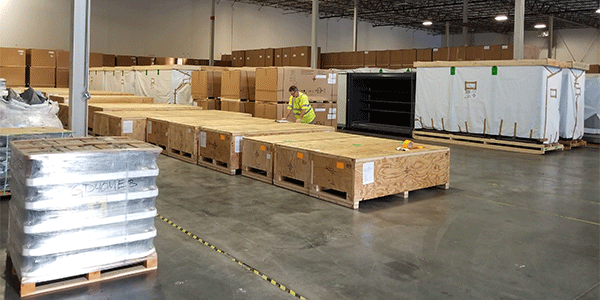
When shipping sensitive, fragile, expensive — or all of the above — cargo overseas, it’s important to ensure it’s properly protected. Whether it’s the salty sea air or the turbulent waves, cargo on a vessel can take a beating if not properly packed and crated.
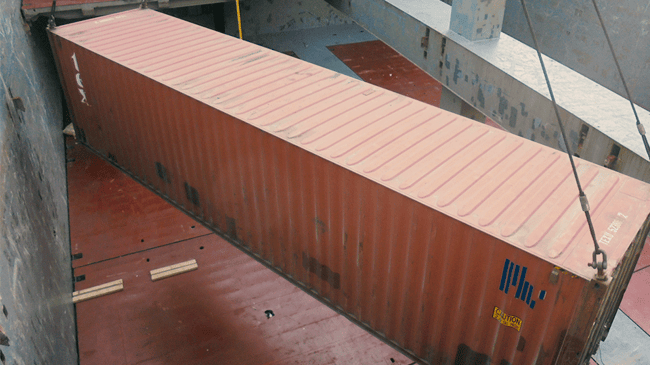
Most shippers assume if a carrier's negligence causes damage to your freight while in transit, they're liable to cover up to a set dollar amount per pound of freight. When the freight is more valuable than what's covered under liability, cargo insurance covers the difference.
But overseas shipping is different.
 You never want to experience delays. It doesn't matter whether you're shipping domestically or internationally, delays mean missed deadlines, upset clients and lost revenue. However, due to the complex nature of overseas shipping, freight stuck in a port across the globe can prove to be more difficult to get to its final destination than domestic shipments.
 At first, shipping internationally can seem complicated. Not only are you required to round up extra documentation, but you also have to get through the customs process — which must be challenging to navigate, right?
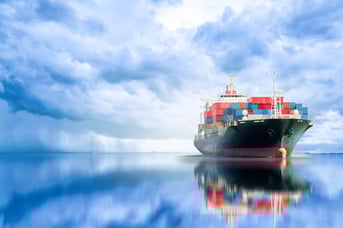 The coronavirus pandemic has affected nearly every facet of international logistics and commerce — and some consumers and businesses are scrambling to get the goods and supplies they need to weather the storm.
Key Takeaways:
If you’ve attempted to ship any of your inventories internationally lately, you’re fully aware of the struggle all shippers are facing. It feels impossible to find any equipment to ship your products on or in...
When shipping sensitive, fragile, expensive — or all of the above — cargo overseas, it’s important to ensure it’s properly protected. Whether it’s the salty sea air or the turbulent waves, cargo on a vessel..
Most shippers assume if a carrier's negligence causes damage to your..
You never want to experience delays. It doesn't matter whether you're shipping domestically or internationally, delays mean missed deadlines, upset clients and lost revenue. However, due to the complex nature..
At first, shipping internationally can seem complicated. Not only are you required to round up extra documentation, but you also have to get through the customs process — which must be challenging to navigate,..
The coronavirus pandemic has affected nearly every facet of international logistics and commerce — and some consumers and businesses are scrambling to get the goods and supplies they need to weather the storm.






You don't want your freight in just anyone's hands. Find a transportation provider that cares about your safety and your reputation. Learn how ATS can help.