Resources & Insights

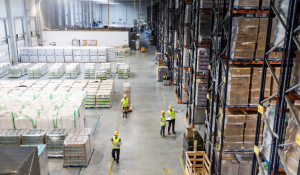
For those tasked with managing logistics budgets, “What will it cost?” is the question looming over every business decision — and warehousing is no exception.
Transloading vs cross-docking — what's the difference?
While both are commonly-used logistics methods, the difference between transloading and cross-docking is their purposes.
Transloading focuses on transferring goods between different modes of transportation, often with additional handling steps, while cross-docking focuses on quickly moving goods from inbound to outbound trucks with minimal storage time.
Warehousing and distribution are essential parts of many supply chains, but finding the right services can be overwhelming — especially with so many different options and providers out there.


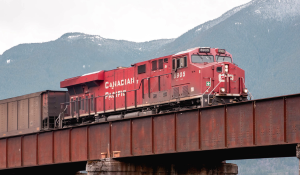
In the early hours of Aug. 22, 2024, rail freight traffic in Canada came to a screeching halt as the country’s two main rail companies, Canadian National (CN) and Canadian Pacific Kansas City (CPKC) locked out 10,000 employees.

To say that freight shippers have a lot on their plates would be an understatement. The constant juggle of schedules, carriers, regulations, costs, and timelines can be overwhelming — not to mention a drain on valuable resources that could be better spent on core business priorities.

In today's globalized economy, efficient, strategic shipping solutions are more crucial than ever — especially for shippers moving a large volume of freight annually.
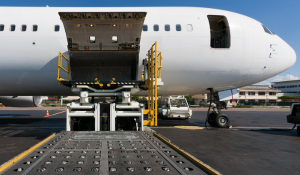
Shipping freight by air for the first time — or even the 101st time! — can feel overwhelming, especially for shippers unfamiliar with the many unique terms and processes involved.
Shipping goods across the country, and especially from overseas, is rarely as simple as loading the material once at the origin point and then unloading it at the final destination.

.png)