Resources & Insights
Freight Market Forecast: Are Shipping Costs on the Rise in 2026?
The transportation industry entered 2025 carrying familiar baggage: soft demand, excess capacity, and a persistent sense of uncertainty that had defined the market for the prior two years.
How Should a Freight Brokerage Evaluate Carrier Qualification and Compliance Information?
If you’re a shipper wondering what steps a freight brokerage will take to support compliant and efficient transportation operations, we don’t blame you. Without understanding the steps that can be taken to promote safety in the trucking industry, you may be left feeling uneasy about trusting a third party with your freight.
Dry Van vs. Reefer Trailers: Which Is Best for Your Freight?
What Is Nearshoring? Definition, Benefits, and Supply Chain Advantages

Key Takeaways
- Nearshoring definition: Moving production closer to the consumer market to reduce risks and costs.
- Why it matters: Improves supply chain resiliency, lowers transit times, and reduces shipping expenses.
- Industries adopting nearshoring: Automotive, aerospace, retail, electronics, pharmaceuticals, and more.
- Primary benefits: Efficiency, profitability, and adaptability in a volatile global marketplace.
International shipping is, by its very nature, risky business. So many things can disrupt a global supply chain, from sluggish port operations to geopolitical conflict to capacity shortages. Heck, even the weather can set a supply chain off its course, careening toward disaster!
5 Signs It’s Time to Upgrade Your Import/Export Cargo Strategy

DOT Blitz Week 2025: What to Know About CVSA International Roadcheck This May
- What the CVSA International Roadcheck (Blitz Week) is
- What happens during Blitz Week
- When is DOT Blitz Week 2025 will be
- The focuses of the 2025 CVSA International Roadcheck
- What happens if a driver is found to be non-compliant (And why shippers should care)
- How Blitz Week may impact your ability to find a truck
- How Blitz Week will impact freight rates
- Tips for avoiding supply chain disruptions during Blitz Week
If you’re a shipper wondering how this year’s Commercial Vehicle Safety Alliance (CVSA) International Roadcheck will impact your freight, you’re in the right place.
Is My Cargo Safe? Freight Security Tips for Global Supply Chains

The fear of cargo being lost, damaged, or otherwise compromised in transit is a common one. For shippers with international supply chains, these anxieties are intensified by unpredictable factors like war and geopolitical tensions, tariffs, piracy, natural disasters, and more.
What Factors Impact Warehousing Costs?

For those tasked with managing logistics budgets, “What will it cost?” is the question looming over every business decision — and warehousing is no exception.
Infographic: Transloading vs. Cross-Docking
Transloading vs cross-docking — what's the difference?
While both are commonly-used logistics methods, the difference between transloading and cross-docking is their purposes.
Transloading focuses on transferring goods between different modes of transportation, often with additional handling steps, while cross-docking focuses on quickly moving goods from inbound to outbound trucks with minimal storage time.
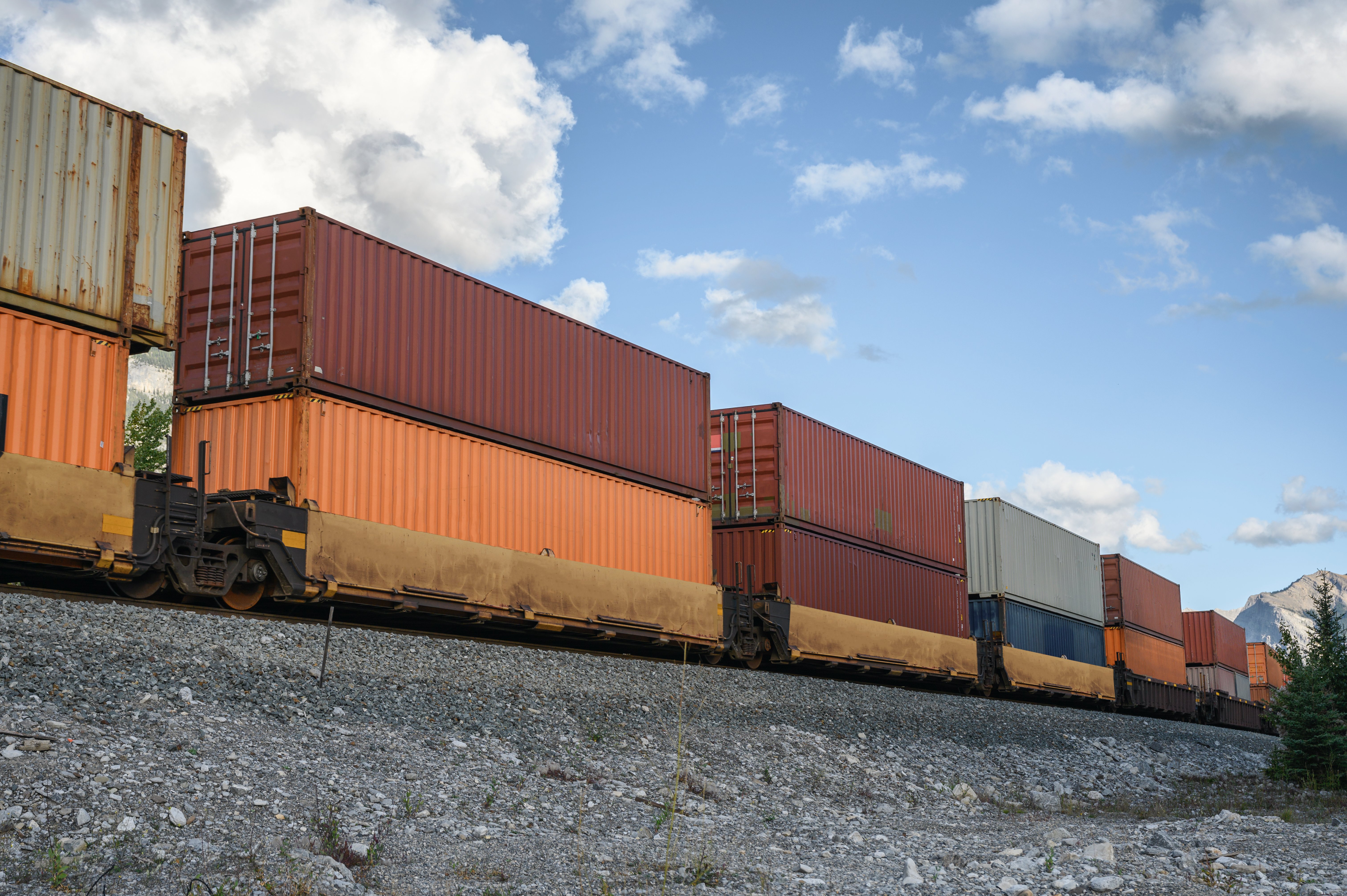

How Should a Freight Brokerage Evaluate Carrier Qualification and Compliance Information?
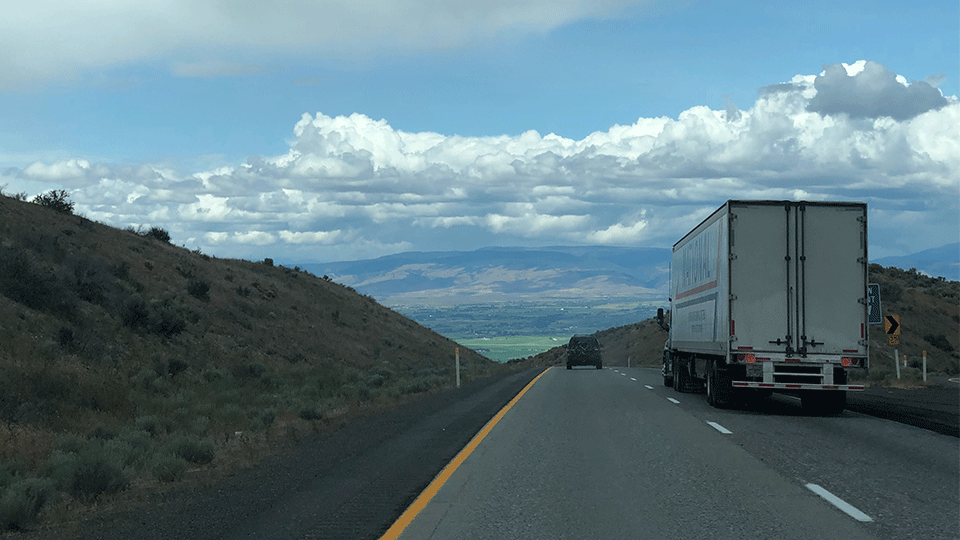
If you’re a shipper wondering what steps a freight brokerage will take to support compliant and efficient transportation operations, we don’t blame you. Without understanding the steps that can be taken to..
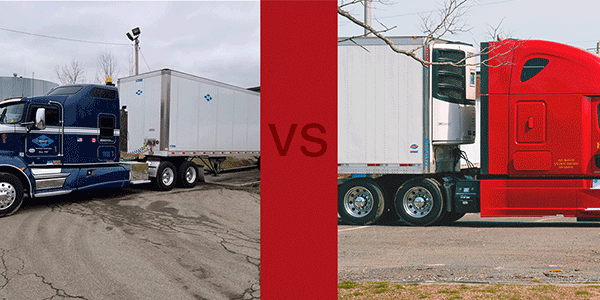
What Is Nearshoring? Definition, Benefits, and Supply Chain Advantages

Key Takeaways
- Nearshoring definition: Moving production closer to the consumer market to reduce risks and costs.
- Why it matters: Improves supply chain resiliency, lowers transit times, and reduces shipping..
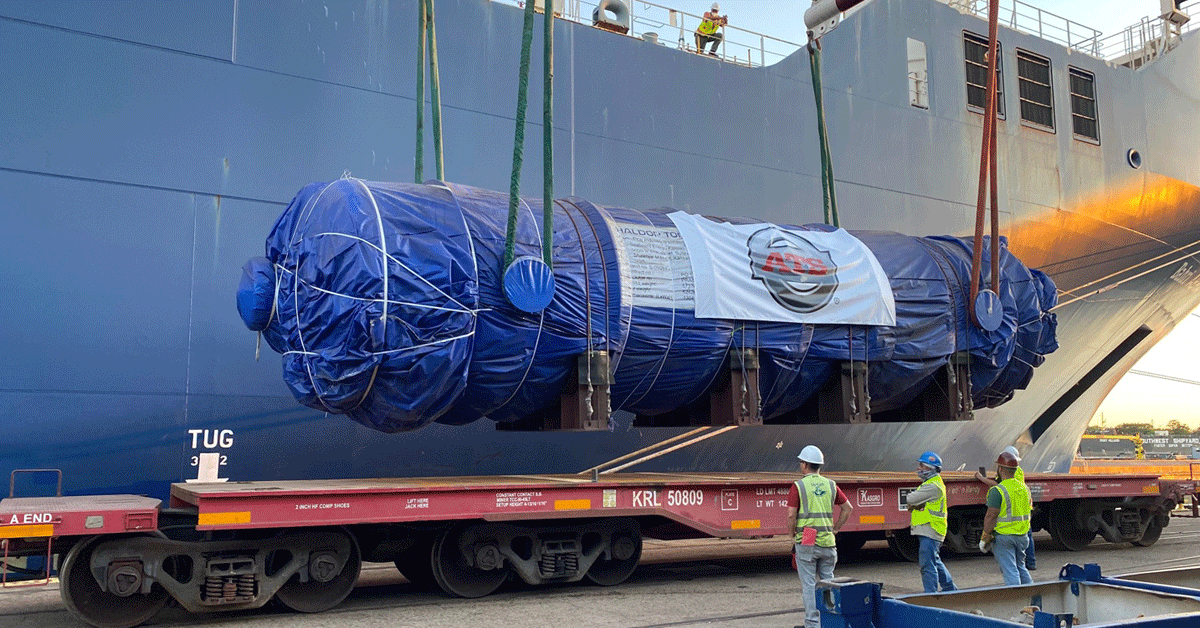

Is My Cargo Safe? Freight Security Tips for Global Supply Chains

The fear of cargo being lost, damaged, or otherwise compromised in transit is a common one. For shippers with international supply chains, these anxieties are intensified by unpredictable factors like war and..

.png)