Carl Verdon
Carl has been working for ATS International, in various capacities, for more than 13 years. During this time, Carl's dedication to maintaining industry-leading service levels has helped customers move cargos around the world and back again... hundreds of times over. Today, as a customer service and sales manager, Carl enjoys the unique challenge that each international shipment presents as he works with his team to promote the ATS name on a global scale.
Articles by Carl Verdon
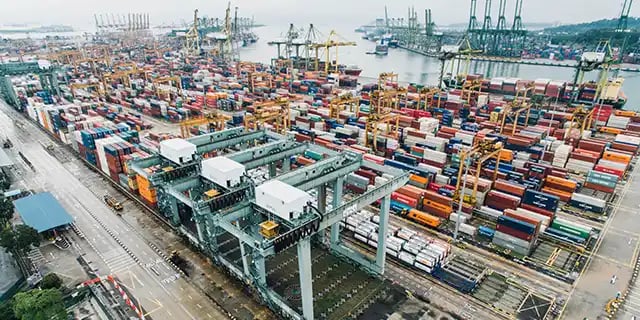
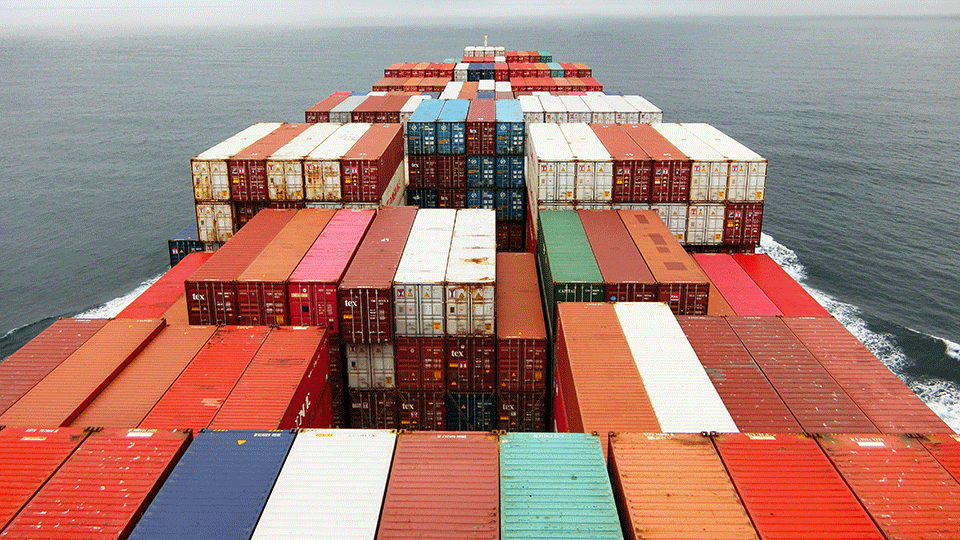
In its 2024 Review of Maritime Transport, the United Nations Conference on Trade and Development (UNCTAD) states that marine vessels carry a whopping 80 percent of global trade — a statistic which reflects maritime transportation’s overwhelming and ever-growing impact on international commerce.
When you're shipping freight across borders, there's a lot to coordinate. And choosing the right global freight forwarder can play a big role in how smoothly everything goes.

The fear of cargo being lost, damaged, or otherwise compromised in transit is a common one. For shippers with international supply chains, these anxieties are intensified by unpredictable factors like war and geopolitical tensions, tariffs, piracy, natural disasters, and more.

In the early hours of Aug. 22, 2024, rail freight traffic in Canada came to a screeching halt as the country’s two main rail companies, Canadian National (CN) and Canadian Pacific Kansas City (CPKC) locked out 10,000 employees.

The Port of Baltimore channel has fully reopened to all vessel traffic as of June 10, 2024, following 11 weeks of painstaking progress clearing debris from the collapse of the Francis Scott Key Bridge.

Importing freight into the U.S. from another country can feel intimidating — especially if you don’t have a lot of experience doing so. Getting cargo through customs efficiently is important; a delay at the border can set your timelines back substantially, making it more difficult to develop trusting relationships with your customers.

Moving your freight internationally is anything but simple. There are, seemingly, endless documents to file, terms to understand and parties to connect with.