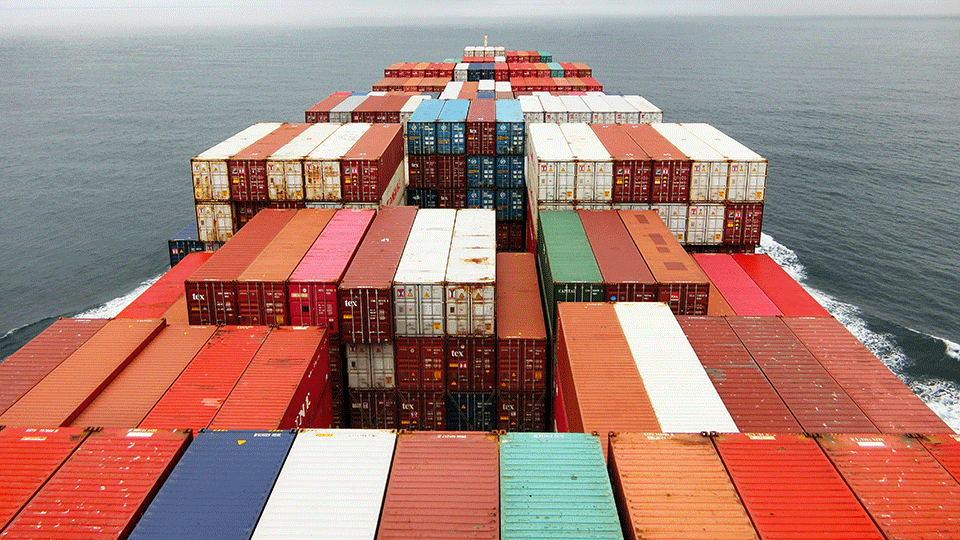
When you're shipping freight across borders, there's a lot to coordinate. And choosing the right global freight forwarder can play a big role in how smoothly everything goes.
Whether you're shipping internationally for the first time or looking to add another provider to your transportation network, it's important to find a company that's equipped to handle your specific shipping needs.
Anderson Trucking Service (ATS) has been involved in international transportation since 1992, giving us firsthand experience with what it takes to coordinate international shipments. In this article, we'll draw on that experience to help you understand what to look for in a global freight forwarder and choose the right provider for your business.
But first, let's make sure you understand what a global freight forwarder does and whether it's the type of service provider you actually need.
What is a Global Freight Forwarder?
A freight forwarder is a third-party logistics provider that helps shippers arrange and manage the transportation of their goods. A global freight forwarder specializes in coordinating international shipments, working with carriers and other service providers to move freight across borders.
Similar to freight brokers, freight forwarders arrange transportation through a network of carriers and other service providers. Though some freight forwarders also own or operate transportation equipment themselves.
Unlike freight brokers, freight forwarders typically coordinate a broader range of logistics activities involved in moving freight internationally.
Well-Known Global Freight Forwarding Companies
If you're searching for a global freight forwarder, there are hundreds of companies to consider. While narrowing down your options can feel overwhelming, getting familiar with some of the well-known companies in the industry is a good place to start.
Based on our experience at ATS, here are some of the global freight forwarders we frequently see in the industry, listed in no particular order:
- Expeditors
- UTC Overseas
- C.H. Robinson
- Trans Global Logistics
- Rhenus Logistics
- Total Movements
- Kuehne+Nagel
- CEVA Logistics
- DSV
Many of these companies are major players in the international transportation industry, and chances are you've heard of at least a few of them.
But knowing who the big players are is one thing. Knowing which one is best for your shipping needs is another. So, how do you choose the best freight forwarder? And are the largest freight forwarders always the better choice?

How to Compare Global Freight Forwarders
Once you have a few potential providers in mind, there are a few things to consider before choosing between them. Here are some key factors we recommend evaluating before adding a global freight forwarder to your transportation network.
- Customer Service and Communication
- Experience With Your Cargo Type
- Geographic Coverage and Trade Lane Expertise
- Financial Stability
- Industry Affiliations
- Track Record and Reputation
- Company Size
- Transportation Capabilities, Technology, and Resources
- Trade Compliance Capabilities
Customer Service and Communication
One of the most important factors to consider before selecting a global freight forwarder, or any transportation provider for that matter, is the quality of their customer service and communication.
Many shippers work with freight forwarders because they don't want to manage the complexities of international transportation on their own. When you're paying someone to coordinate your shipments, you want to feel confident they'll be responsive, keep you informed, and help you navigate challenges along the way.
Pay attention to your first interactions with a potential provider. How quickly do they respond to your questions and requests? Do they take the time to understand your needs? Do they make you feel like a valued customer or just another number?
The way a freight forwarder communicates before earning your business can give you a sense of what to expect once you're working together.
Experience With Your Cargo Type
You also want to make sure the freight forwarder you're considering can handle your specific shipment — and has experience moving similar freight.
Ask them about the types of cargo they regularly handle. Do they specialize in containerized cargo or breakbulk (non-containerized) cargo? Or do they have experience with both?
Just because a freight forwarder can handle a certain type of cargo doesn't necessarily mean they have extensive experience doing so. That's why it's important to choose a provider with a proven track record of handling freight like yours.
Geographic Coverage and Trade Lane Expertise
Next, it's important to understand which countries and regions a freight forwarder serves.
Just because a freight forwarder operates globally doesn't necessarily mean they can ship everywhere or have the same level of experience in every region. Look for a provider with established relationships and reliable partners in the areas where you do business.
Even if you're shipping internationally, it's also worth asking whether they offer domestic transportation services. Working with a provider that can coordinate both the international and domestic portions of your shipment may help simplify the process, especially if your freight needs to travel a significant distance after arriving at a port.
Financial Stability
A freight forwarder's financial stability can have a direct impact on its ability to serve your business. After all, you want a provider that has the financial resources to pay its transportation partners, manage unexpected expenses, and keep your shipments moving without unnecessary disruptions.
While financial stability can look different from company to company, there are a few things worth evaluating. How long has the provider been in business? Has it successfully navigated challenging economic conditions? Does it have a history of responsible financial management and sustainable growth?
A financially stable freight forwarder may also be better positioned to cover certain transportation expenses upfront, rather than waiting for customer payments to come through.
Ultimately, you're looking for a provider whose financial position won't put your shipments at risk.
Industry Affiliations
A freight forwarder's involvement in industry organizations and professional networks can be a good indicator of its commitment to staying informed and connected within the transportation industry.
Look at which organizations a provider belongs to, whether they're freight forwarding networks, transportation associations, or other professional groups. These affiliations give freight forwarders opportunities to share best practices, expand their industry knowledge, and stay informed about current issues affecting international transportation.
While not a comprehensive list, some freight forwarding networks and organizations to look for include:
- Global Freight Alliance (GFA)
- Octopus Freight Network (OFN)
- Global Logistics Network
- The World Freight Alliance (WFA)
- WCAworld
Track Record and Reputation
When evaluating a freight forwarder, take a look at the company's history and reputation.
Building a reliable network and establishing a reputation for quality service takes time. While years of experience don't necessarily guarantee great service, they can give you a sense of the provider's industry knowledge and ability to navigate challenges.
It's also important to hear from the people who've worked with them. Look at customer reviews, ask for references, and see if the company can share examples of successful shipments.
Company Size
Another factor that may influence your decision is the size of the freight forwarder. But when it comes to choosing between a larger or smaller company — or one somewhere in between, like ATS International — there's no one-size-fits-all answer.
Larger freight forwarders may have extensive global networks, more resources, and a wider range of services. However, depending on the provider, you may not always receive the personalized attention you're looking for.
Smaller freight forwarders, on the other hand, may offer a more personalized experience, with closer customer relationships and more direct communication. However, they may have fewer resources, a smaller geographic footprint, or more limited service offerings.
Company size alone shouldn't determine your decision, but understanding a provider's scale can help you decide whether they're the right fit for your shipping needs. What's more important is whether they can provide the services your freight requires.
Transportation Capabilities, Technology, and Resources
Another thing to consider is what transportation capabilities and resources a freight forwarder has available to handle your shipments.
Some freight forwarders are asset-based, meaning they own or operate certain transportation equipment or facilities. Others rely primarily on relationships with carriers and other service providers to coordinate shipments. Neither approach is necessarily better, but it's worth understanding what resources a provider has access to and how they use them.
Technology is another consideration. Does the freight forwarder offer shipment tracking or visibility tools? How do they keep you updated on your freight's location and status?
Be sure to work with a provider that has the resources, relationships, and technology needed to manage your shipments effectively.
Trade Compliance Capabilities
Trade compliance is another important factor to consider when choosing a global freight forwarder.
An international shipment can involve several parties, including the shipper, buyer, vendors, ocean carrier, and freight forwarder. Different countries have different trade restrictions and sanctions requirements, so these parties may need to be checked against applicable sanctions lists.
For example, a vendor may be permitted to participate in one shipment but restricted from another, depending on the applicable sanctions requirements. In that case, the freight forwarder may need to help identify an alternative to avoid disrupting the shipment.
That's why it's important to understand what trade compliance processes a freight forwarder has in place, particularly when it comes to screening the parties involved in your shipments.
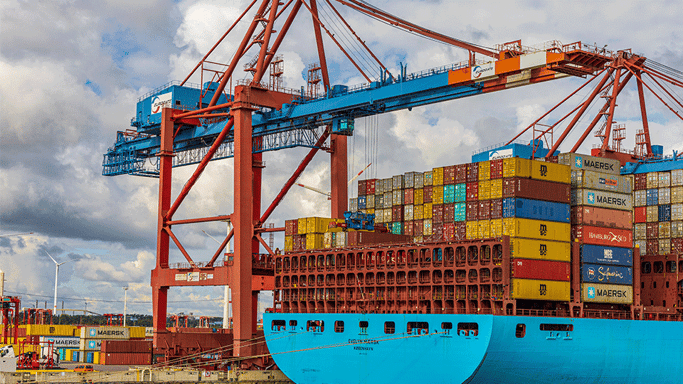
10 Questions to Ask Before Choosing a Global Freight Forwarder
Phew. That's a lot to think about! To make things easier, we've put together a list of questions you can ask when evaluating potential freight forwarders.
- What types of cargo and commodities do you handle most often?
- Have you handled shipments similar to ours? Can you share examples or case studies?
- What are your primary trade lanes? Do you have offices or established partners in the regions where we ship?
- Are you an asset-based provider? If so, what transportation equipment or resources do you own or operate?
- How do you communicate shipment updates, delays, and unexpected issues?
- Can you provide customer references?
- How long have you been in business?
- What trade compliance processes do you have in place?
- What payment terms do you offer?
- What freight forwarding networks or industry associations do you belong to?
Is ATS International the Right Global Freight Forwarder for You?
So, where does ATS International fit into the equation?
ATS International Services, Inc. (ATSI) is a subsidiary of Anderson Trucking Service (ATS) that was founded in 1992.
ATSI specializes in non-containerized cargo. In other words, we help transport freight that doesn't fit inside a standard shipping container, such as oversized machinery and industrial equipment. You might hear terms like breakbulk, out-of-gauge, or over-height and over-width cargo used to describe these shipments.
While we also move containerized cargo (freight transported inside a shipping container), oversized and project freight is our bread and butter.
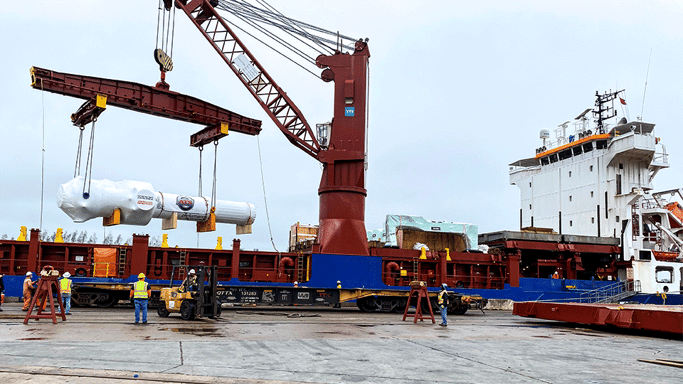
Why Do Shippers Choose ATS International?
There are several reasons our customers choose ATS for their international shipping needs. Here are a few things that set us apart:
- Experience with complex, oversized cargo: ATS International specializes in oversized, non-containerized freight that requires specialized transportation planning.
- Domestic transportation expertise: As part of the ATS family of companies, we benefit from ATS' strong background in trucking, including dry van, flatbed, and heavy haul transportation. Should your freight require transportation before or after arriving at port, our ATS teams can help coordinate the domestic portion of your shipment.
- Personalized service backed by an established network: ATS International offers a more personal approach to customer service while drawing on an established network of transportation providers to coordinate shipments around the world.
- Foreign Trade Zone (FTZ) access: ATS International owns two foreign trade zone terminals in San Luis, Arizona, and Houston, Texas, offering outdoor storage for qualifying international freight. We can also provide access to other terminals across the U.S., from the East Coast to the West Coast. FTZs can allow importers to defer certain customs duties until goods enter U.S. commerce, which may provide greater flexibility when managing international shipments.
- Barge transportation expertise: In addition to ocean shipping, ATS International has experience coordinating transportation on rivers and lakes. For example, if an oversized shipment arrives in Houston but isn't practical to transport by truck to Minnesota, moving it by barge along the Mississippi River system may be an option. We can help evaluate and coordinate alternatives like this when they make sense for your shipment.
What Types of Shipments Is ATS International Best Suited For?
ATS International works with shippers moving a variety of freight internationally, but there are certain types of shipments where our experience and resources are especially valuable.
- Breakbulk and non-containerized freight: We specialize in cargo that doesn't fit inside a standard shipping container.
- Shipments along our established trade lanes: Most ATS International customers are based in the U.S. While we ship to and from many regions, some of our strongest trade lanes include the U.S. to Europe, the Middle East to the U.S., and shipments involving South America, Singapore, and Vietnam.
- Shipments requiring additional transportation: ATS International is also a good fit for shipments that need more than ocean transportation, particularly those requiring specialized trucking or barge transportation to reach their final destination.
When Might Another Global Freight Forwarder Be a Better Fit?
Every type of freight has its own transportation requirements, and it's important to find a provider with the right expertise.
At ATS International, we don't handle perishables, bulk grains, chemicals, or household goods. If you're shipping any of these commodities, we recommend finding a freight forwarder that specializes in them.
Frequently Asked Questions
Ready to Ship Internationally?
If you're shipping internationally, particularly oversized or specialized cargo, contact ATS International to discuss your needs and see how we can help.
Having the following information ready will help us provide an accurate quote for your shipment:
- Cargo details: Commodity type, dimensions, and weight
- Origin and destination: Where your shipment is coming from and where it needs to go
- Shipping timeline: When your freight will be ready and when it needs to arrive
- Transportation requirements: Any specialized equipment, handling, or additional services needed