Resources & Insights
As a company that participates in the movement of international cargo, you’ve likely uncovered the sheer complexity of this process. With so many transportation providers to choose from and a variety of methods for moving freight, it’s natural to feel overwhelmed sometimes.
As you know, international shipping is a complex process, necessitating well-formed plans, competent partnerships and experienced providers. Without the proper understanding and expectations, companies with international cargo to move have trouble doing so in a time and cost-effective manner.
There are 195 countries in the world. The majority of these nations have different governmental structures, values and cultural histories. 194 of these countries are foreign to you.
As a shipper looking to move freight to another country, it’s ok if this process leaves you feeling overwhelmed. International transportation is an intricate undertaking and with so much at stake, your hesitancy is likely warranted.

If you’ve attempted to ship any of your inventories internationally lately, you’re fully aware of the struggle all shippers are facing. It feels impossible to find any equipment to ship your products on or in. And if you can find something, it’s probably weeks or possibly even months out before it sails.
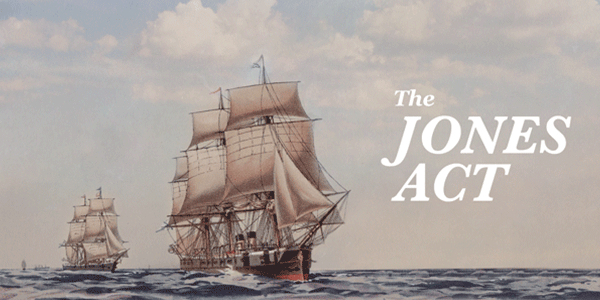
 For 100 years, the Merchant Marine Act of 1920 (aka the Jones Act) has been the foundation of Domestic Maritime regulation in the U.S. The Jones Act has had a positive impact on the U.S. shipping industry and defines the rules regarding maritime trade between the Continental U.S. and offshore markets like Hawaii, Alaska and Puerto Rico.
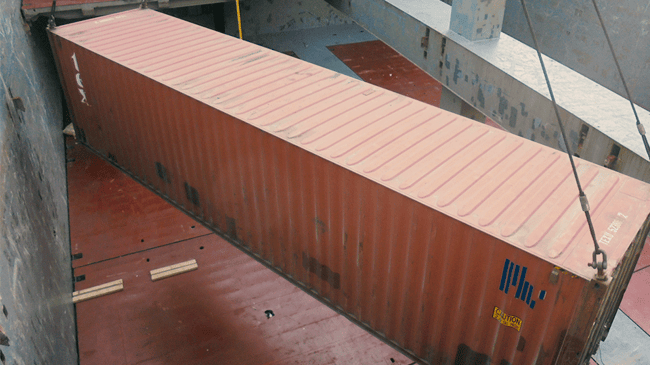
Most shippers assume if a carrier's negligence causes damage to your freight while in transit, they're liable to cover up to a set dollar amount per pound of freight. When the freight is more valuable than what's covered under liability, cargo insurance covers the difference.
But overseas shipping is different.