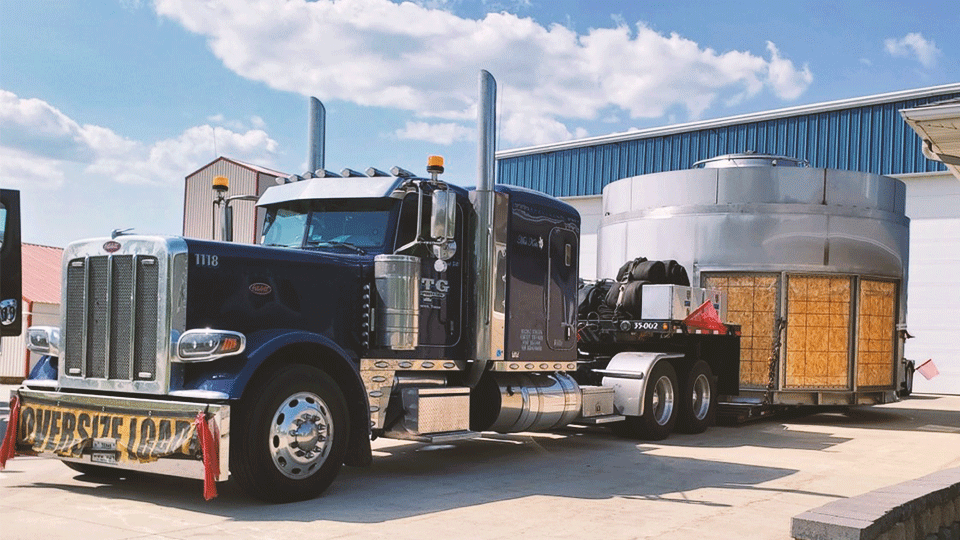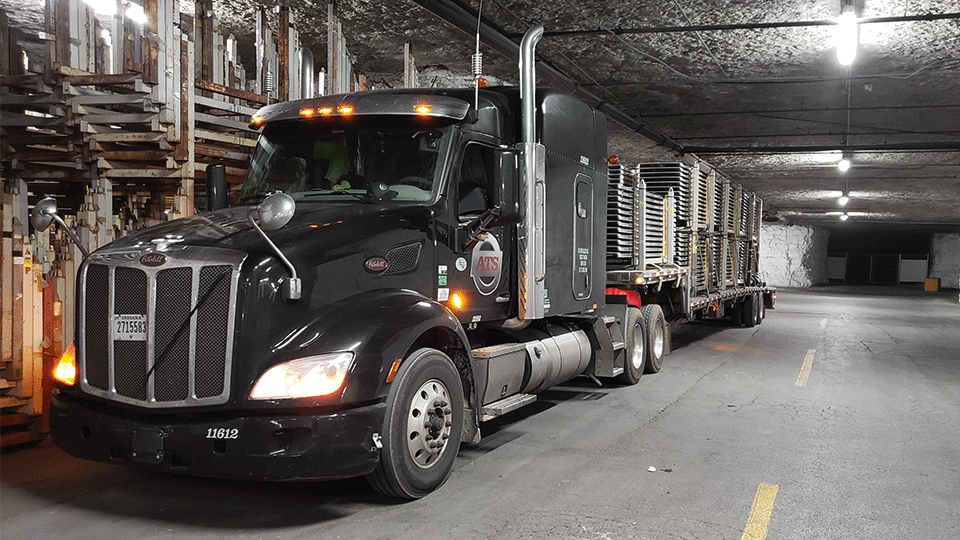
The last few Augusts in the trucking industry have looked a bit different than the market shippers are experiencing today.

To say that freight shippers have a lot on their plates would be an understatement. The constant juggle of schedules, carriers, regulations, costs, and timelines can be overwhelming — not to mention a drain on valuable resources that could be better spent on core business priorities.
It's hard to believe that we're halfway to the finish line of 2024, isn't it?
Legal axle weight limits for commercial trucks in the U.S. are commonly 20,000 pounds on a single axle and 34,000 pounds on a tandem axle, with an 80,000-pound gross vehicle weight limit on interstate highways. However, actual legal weight depends on axle spacing, axle group configuration, state laws, and the route being used.
Important note: Every state has different regulations for the maximum gross vehicle weight (total weight of the loaded truck and trailer) allowed on their roads. These weight regulations are based on the state’s infrastructure and what the roads can safely support.
Can a truck be overweight on one axle even if it is under 80,000 pounds gross?
Yes. A truck can be legal in total gross weight and still be overweight if too much weight is concentrated on a single axle or tandem axle group.
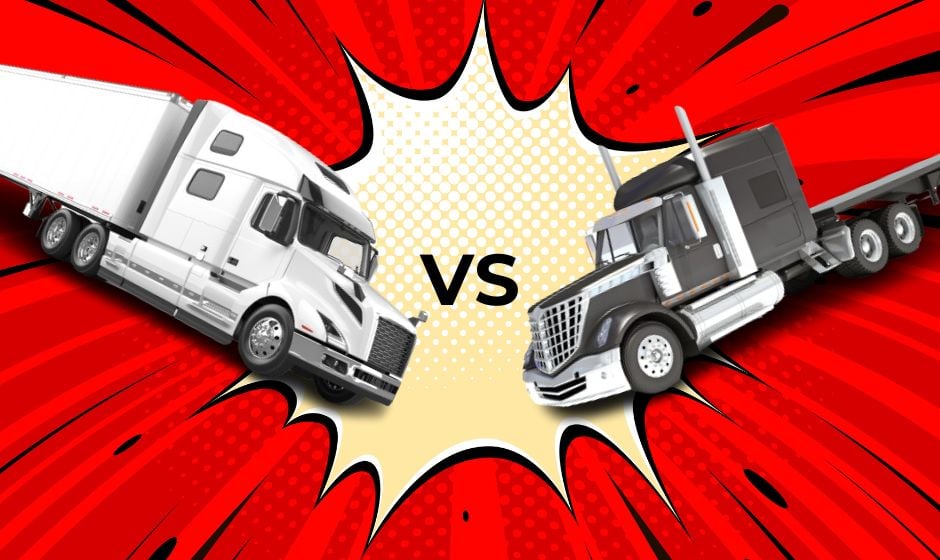
Chocolate vs. vanilla. The Rock vs. Stone Cold. Dry van vs. flatbed shipping. Life is full of tough calls! Among the toughest for shippers? Choosing the right method of moving freight for your shipping needs and your bottom line.

Peaches. Coke. OutKast. Atlanta’s exports are well known.

In some senses, the trucking industry is an information industry. Not an information technology industry (although trucking companies rely on world-class technology). Not a research industry. An industry that relies on complete, accurate information.

Ohio’s capital and the largest city in the state, Columbus, has a bustling economy centered around industries like education (The Ohio State University), government, insurance and more.