Resources & Insights

November is a bridge between seasons — and an on-ramp to holiday shipping pressures. For shippers, it’s a month of tight capacity, shifting demand, and scheduling complexity.
You see it on every house flipping and DIY show: Wood flooring dominates the housing market. Homeowners love it because it is easy to clean, doesn’t hold dust and is suitable for most rooms.
Your most important shipments — high-value goods, tight deadlines or sensitive cargo — need special care and attention from your shipping provider.
Before you load your valuable assets onto a truck, it’s important to know who is behind that truck. Who is the broker or carrier? What are their values? What experience and qualifications do they have with your type of freight?
Freight shipping is a complex operation with a lot of variables. Basically, you are trusting some of your valuable assets to a carrier to load, transport and unload them at your final destination.
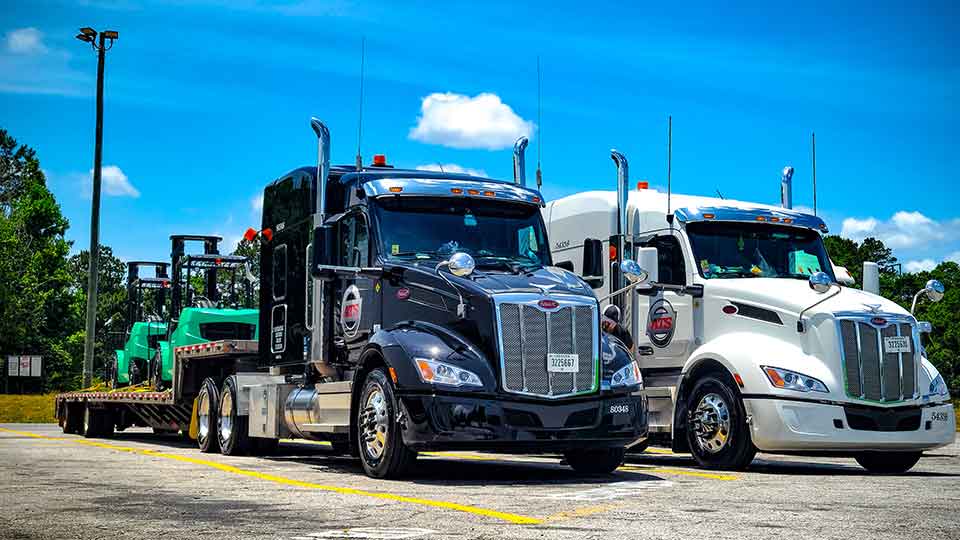
Forklifts are incredibly useful tools in warehouses, on construction sites and in manufacturing plants. While they are great at lifting and moving heavy items, they are too slow to drive down the road.
Truck drivers are tasked with getting your freight safely from its point of origin to its final destination. Protecting your cargo also keeps the driver, the vehicle and others on the road safe. It’s the driver’s primary role, and they take it seriously.
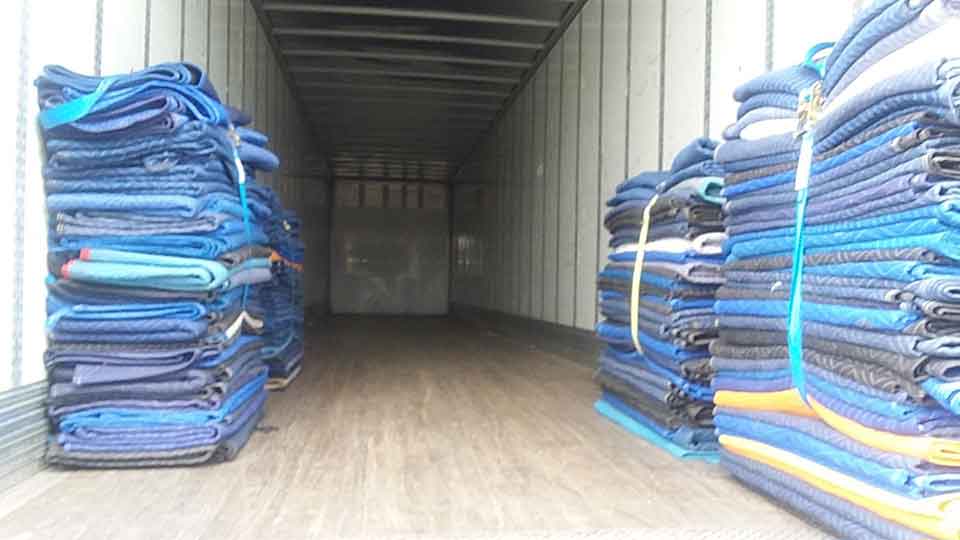
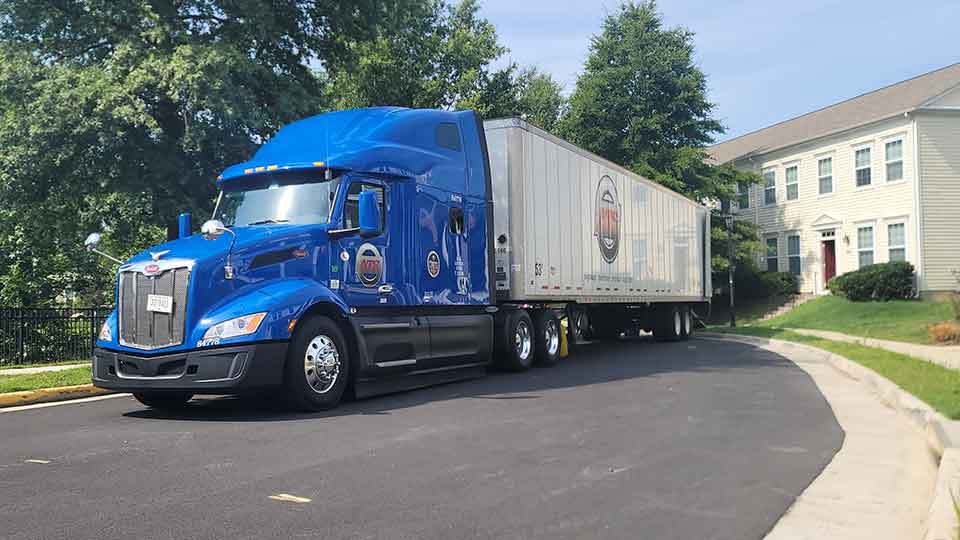
Dry vans, those rectangular trailers with a double door in the back, are a common sight along roads and highways. They are one of the most popular vehicles used in the trucking industry, making them readily available and generally affordable.

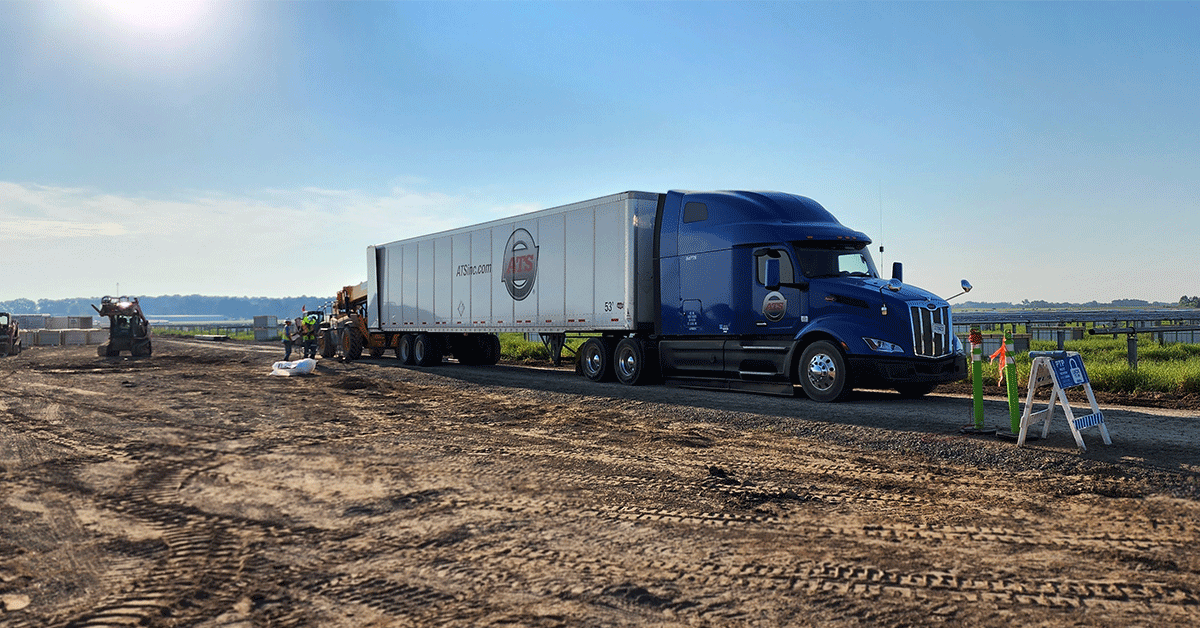
Dry van trailers are enclosed, non-refrigerated trailers used to transport thousands of different commodities across a wide range of industries. In fact, dry vans are the most common trailer type in the transportation industry.