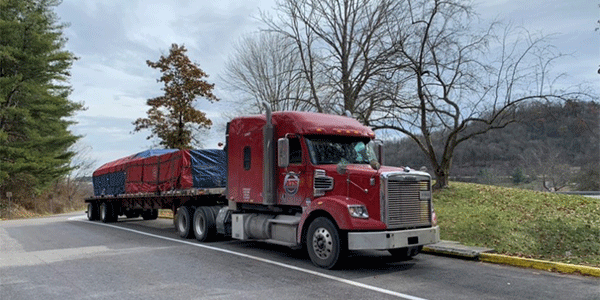
During the winter months, blizzards and ice in the northernmost states may impact your shipping schedule. But did you know there's another factor that could impact your deliveries as winter transitions into spring?
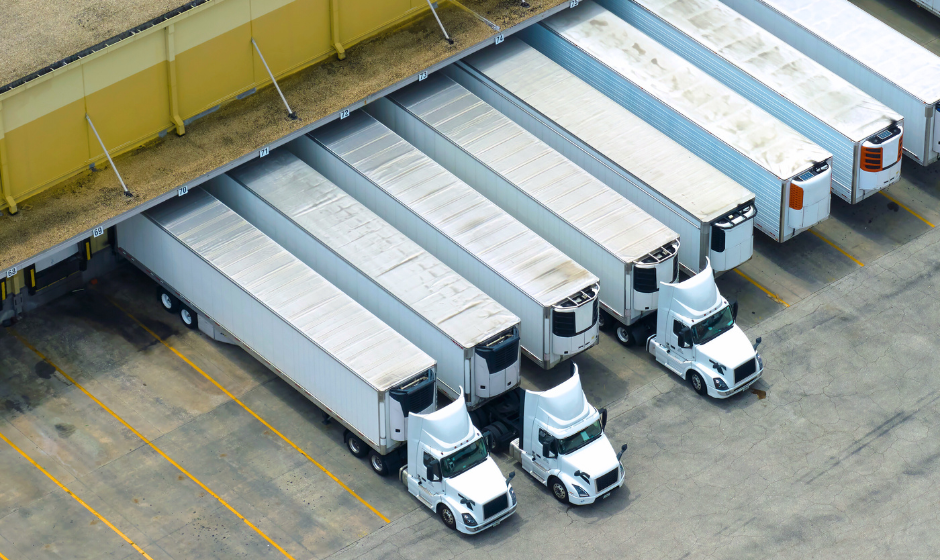
There’s no shortage of challenges in today’s logistics landscape. Transportation costs are high, the market is flooded with inexperienced and inconsistent providers, and customers are demanding faster delivery of a higher volume of product than ever before.
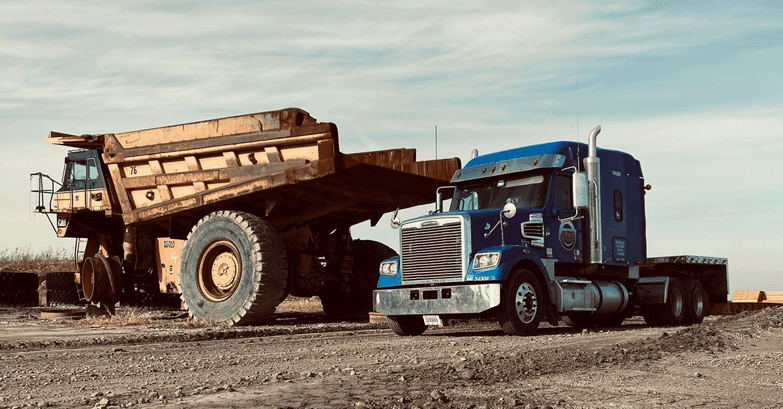
January is seen as the “reset” month for the trucking industry. After the fast-paced holiday shipping season, freight activity slows down, giving carriers and shippers time to recalibrate.

For high-volume shippers constantly moving critical freight, juggling multiple active transportation providers at once can be as stressful as it is inefficient.

If you live in an area with cold winters, you undoubtedly know a thing or two about protecting yourself and your property from those seriously frigid temperatures.
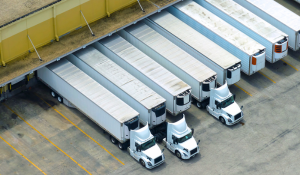
Transloading vs cross-docking — what's the difference?
While both are commonly-used logistics methods, the difference between transloading and cross-docking is their purposes.
Transloading focuses on transferring goods between different modes of transportation, often with additional handling steps, while cross-docking focuses on quickly moving goods from inbound to outbound trucks with minimal storage time.
September is historically a busy month for shippers and transportation providers. But this year, “busy” might be an understatement.

For many in the transportation industry, Alaska is synonymous with unpredictability.




.png)