Resources & Insights
In some senses, the trucking industry is an information industry. Not an information technology industry (although trucking companies rely on world-class technology). Not a research industry. An industry that relies on complete, accurate information.

November is a bridge between seasons — and an on-ramp to holiday shipping pressures. For shippers, it’s a month of tight capacity, shifting demand, and scheduling complexity.
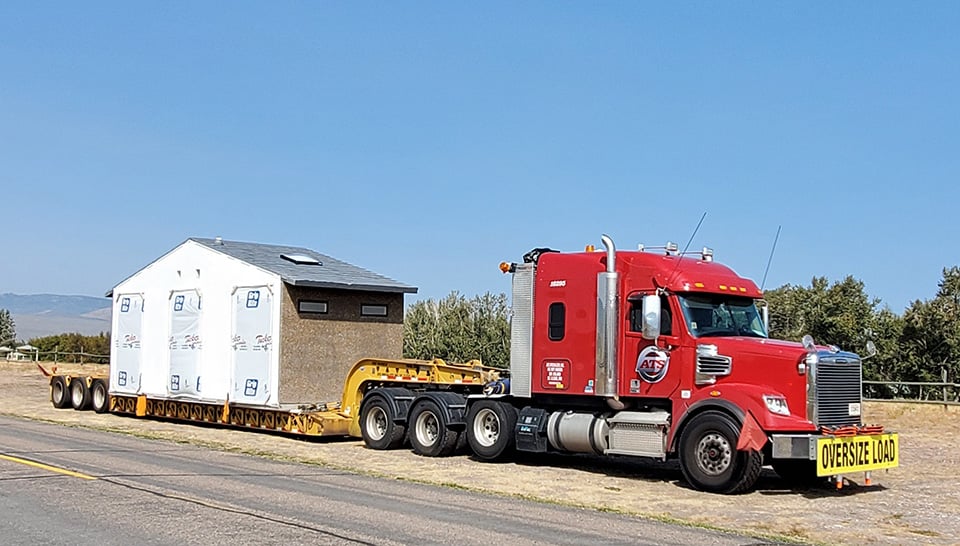
Your most important shipments — high-value goods, tight deadlines or sensitive cargo — need special care and attention from your shipping provider.
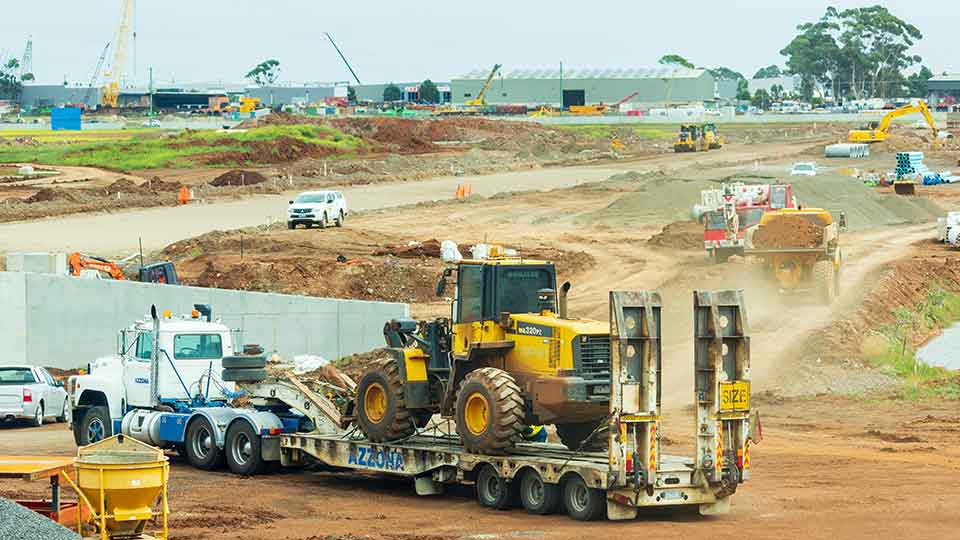
Active construction jobsites are dynamic and busy places. With tight timelines and budgets, it’s vital that everything goes well…and often, they don’t. Multiple trades, weather, budget changes, supply chain issues, worker shortages and more keep things busy and evolving.
Before you load your valuable assets onto a truck, it’s important to know who is behind that truck. Who is the broker or carrier? What are their values? What experience and qualifications do they have with your type of freight?
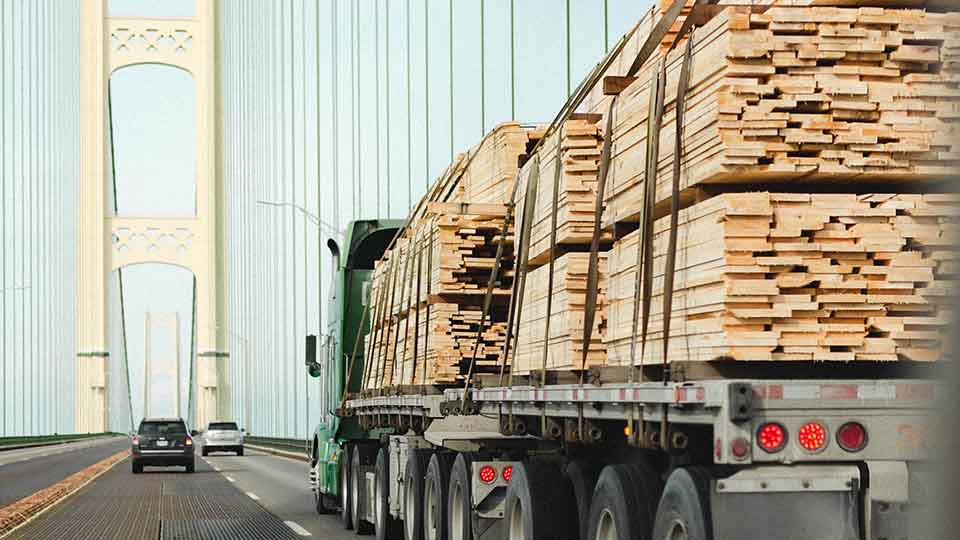
Freight shipping is a complex operation with a lot of variables. Basically, you are trusting some of your valuable assets to a carrier to load, transport and unload them at your final destination.
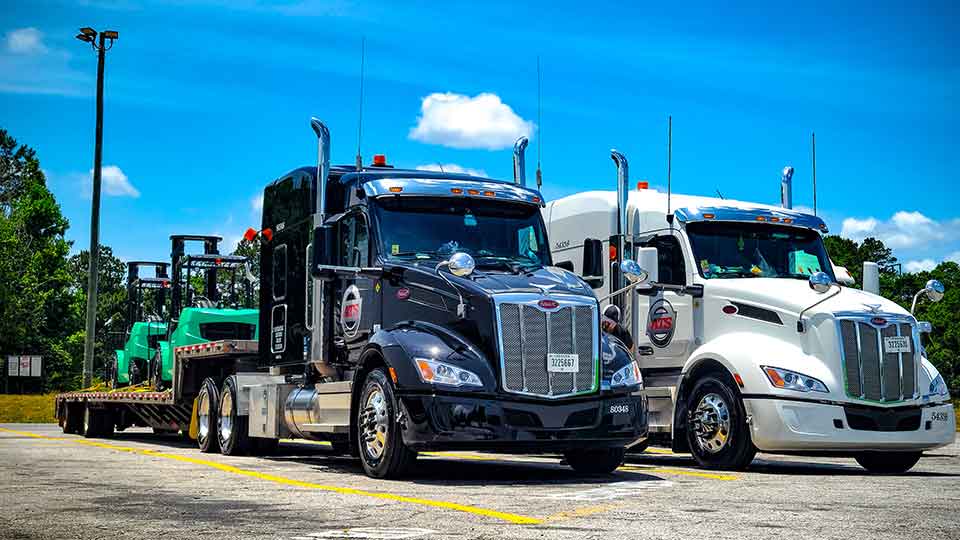
Forklifts are incredibly useful tools in warehouses, on construction sites and in manufacturing plants. While they are great at lifting and moving heavy items, they are too slow to drive down the road.
Truck drivers are tasked with getting your freight safely from its point of origin to its final destination. Protecting your cargo also keeps the driver, the vehicle and others on the road safe. It’s the driver’s primary role, and they take it seriously.
Long strips of metal, including steel, aluminum and fiber optic cable, are often wrapped around a coil or spool for shipping. Coiling this type of material saves space and keeps it manageable during transportation and storage.