Resources & Insights
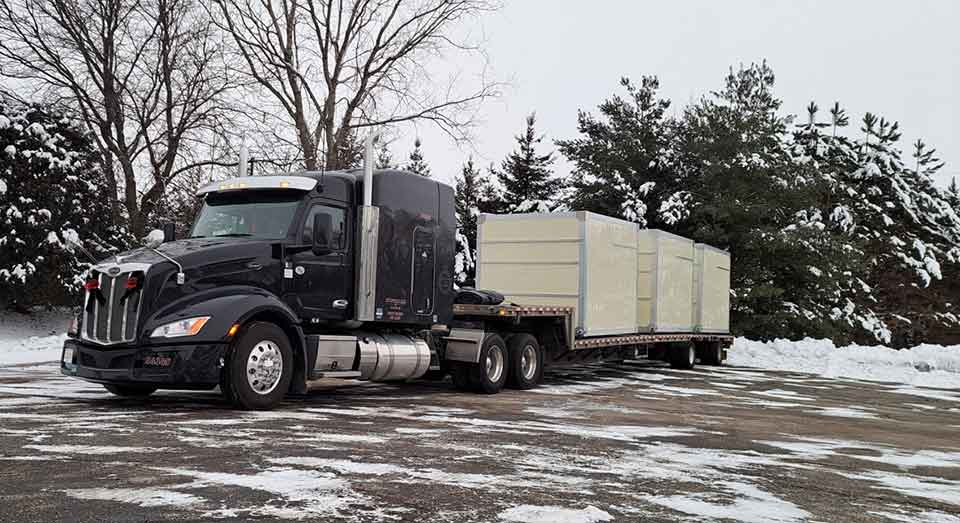
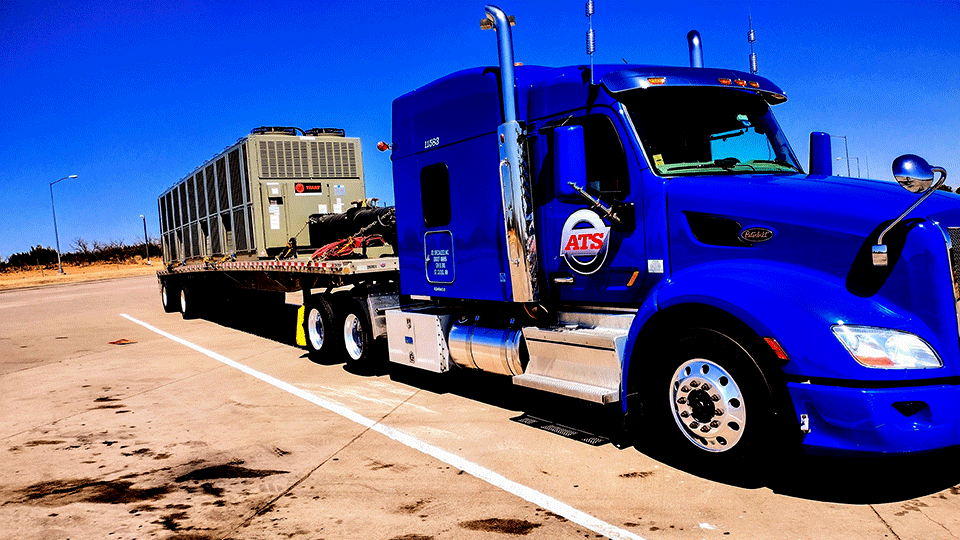
So you’ve contracted with a freight carrier, and they have indicated that they will be using a step-deck trailer. What does that mean? Will the freight arrive safely to your destination? How does the carrier determine which type of trailer is best for your particular freight?
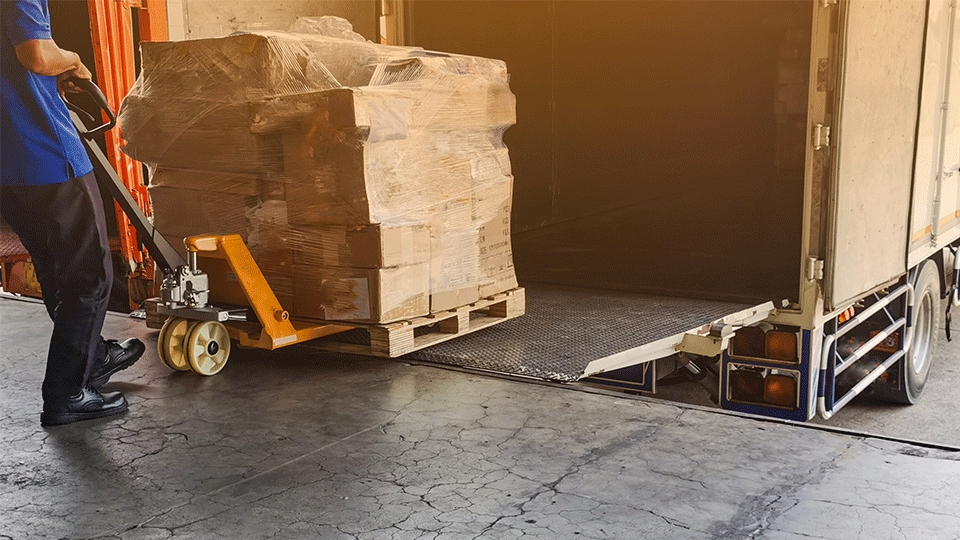
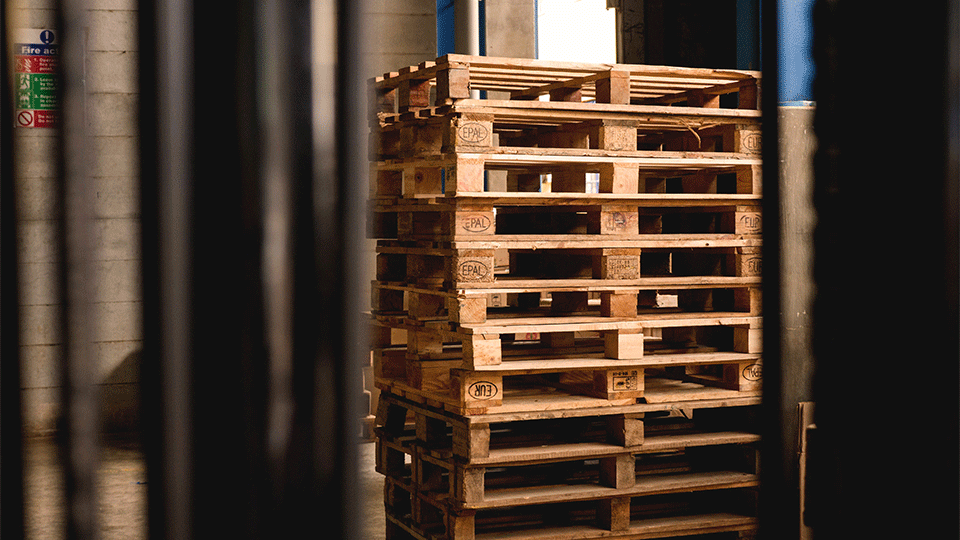
Most companies use pallets to ship their goods at some point or another. Be it for a one-off less-than-truckload shipment, or a full truckload dry van load, palletizing your products is a convenient way to prepare them for transport.
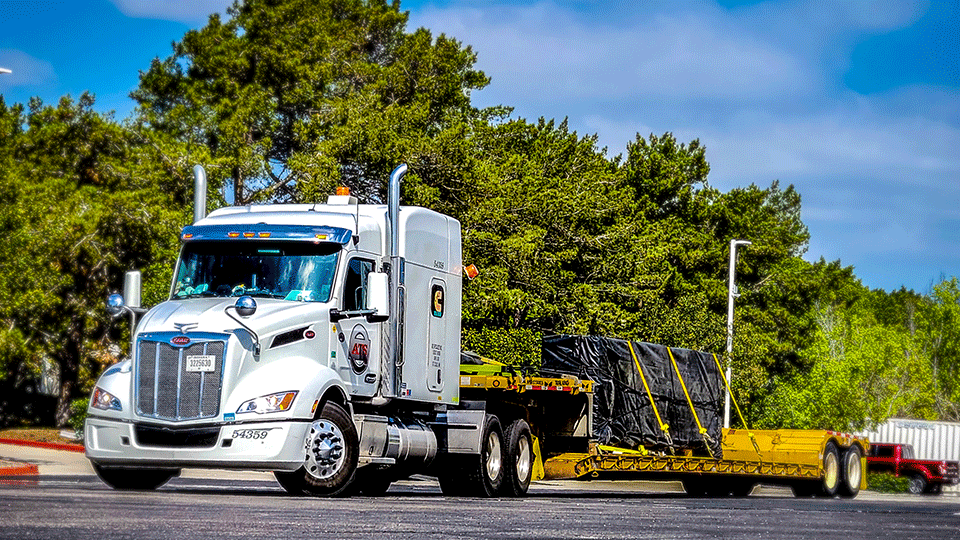
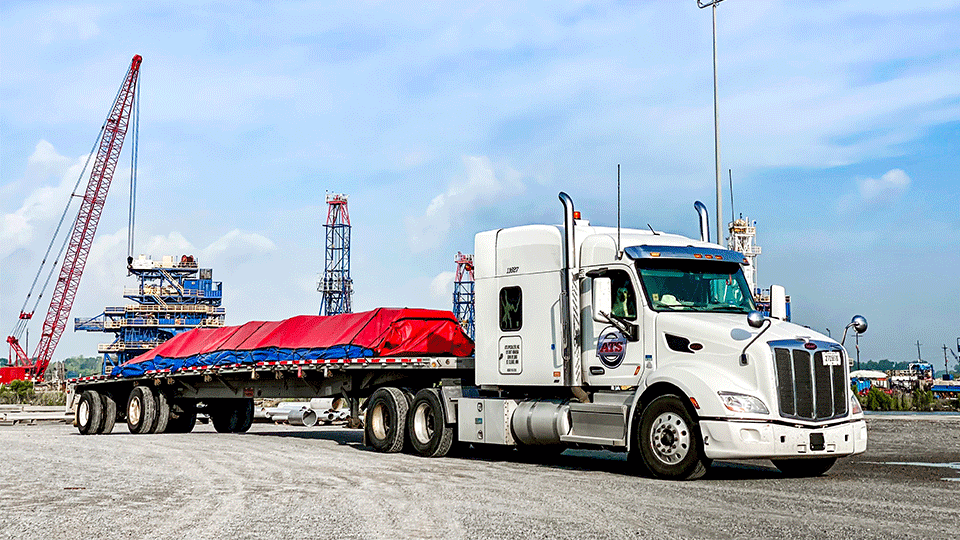 The trucking industry is reliant on its equipment. And, man, there are a ton of different equipment types. From class-8 semi trucks to 53-foot trailers, jeep/stinger dollies and 3-axle RGNs, “equipment” means everything to trucking companies.
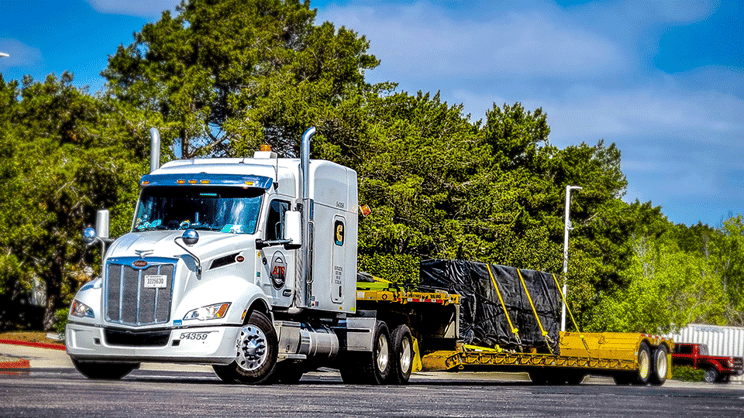
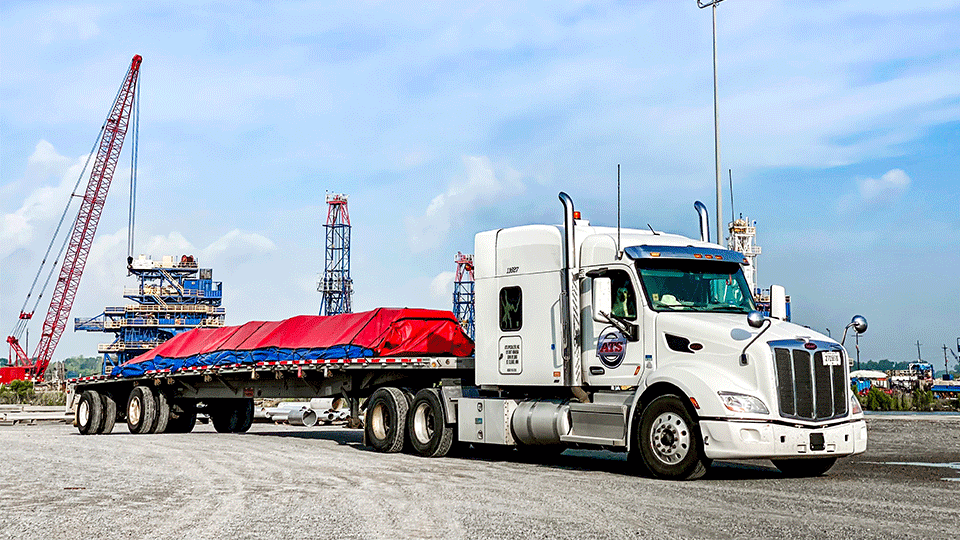
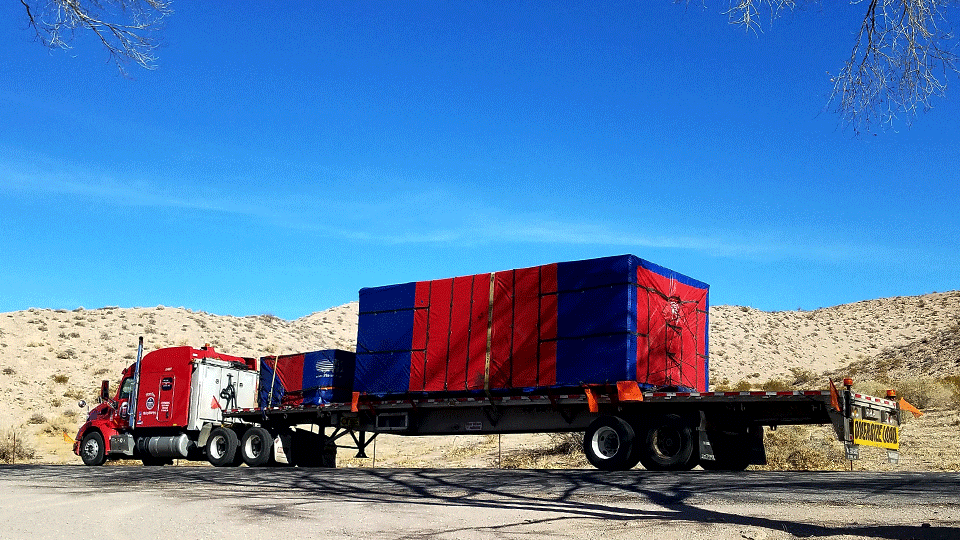
Companies that ship freight using open-deck trailers are no stranger to the realities of doing so. The impact natural elements (wind, snow, rain, etc.) can have on the products transported on open-deck trailers is among the harshest of these realities.
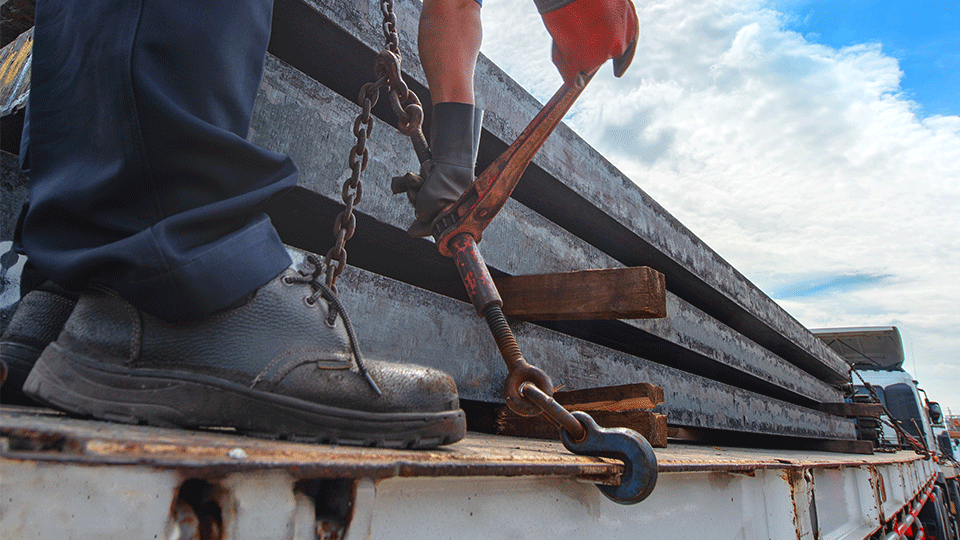
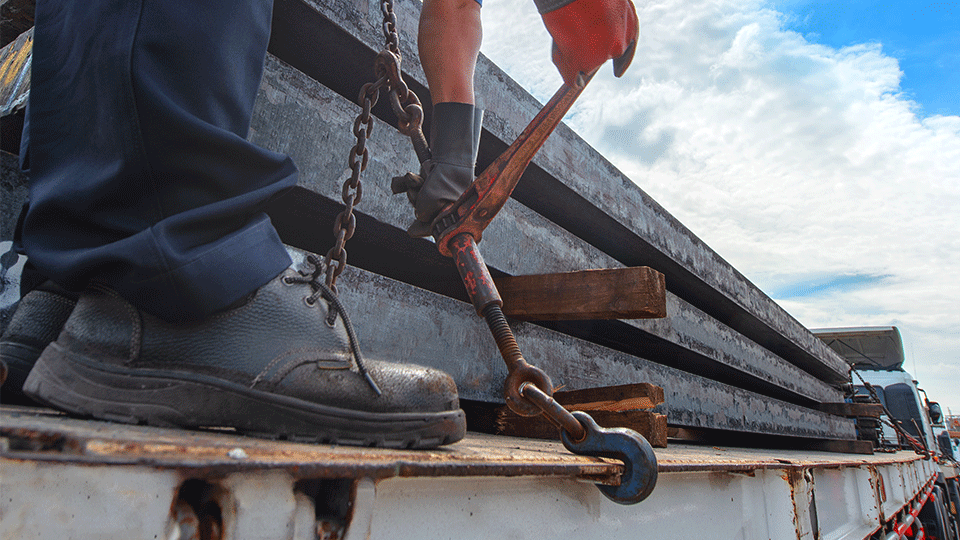
Dunnage plays an important role in the transportation industry, yet shippers may not give it much consideration. That's a mistake: when a truck shows up to load without the right kind or quantity of dunnage for the job, shippers can face delays that disrupt their timelines, customer commitments, and budget.
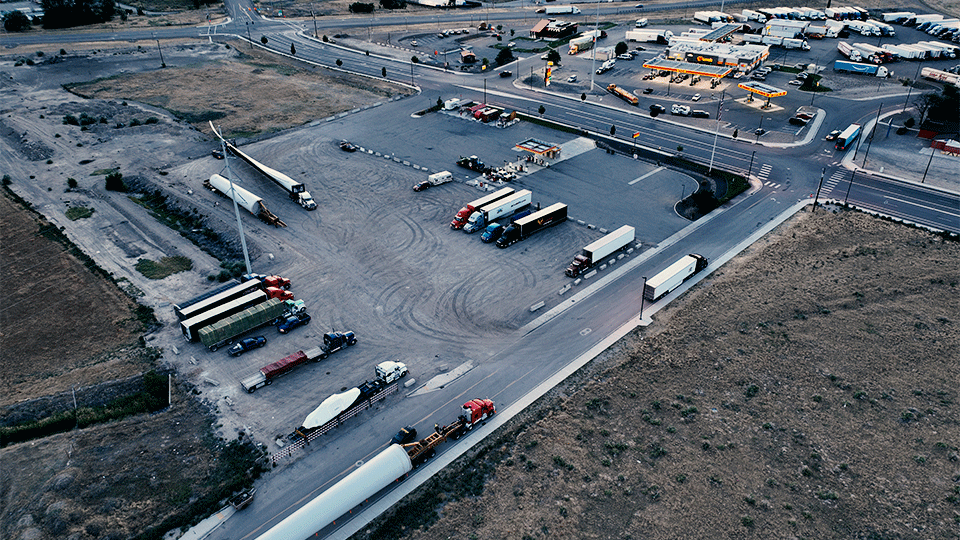
Your company moves freight. You’ve been at it for a long time. How long? One year? Five years? 10 years? More?
While the maximum gross vehicle weight for a commercial vehicle is 80,000 pounds, that does not mean your freight can weight 80,000 pounds. That total includes the combined weight of the semi-truck, trailer, and cargo.