
November is a bridge between seasons — and an on-ramp to holiday shipping pressures. For shippers, it’s a month of tight capacity, shifting demand, and scheduling complexity.
At Anderson Trucking Service (ATS), we help shippers like you plan and manage shipping needs year-round. We take on the seasonal challenges so you can focus on more important things — like what you’ll use to top your leftover turkey sandwich. (Cranberry sauce. The answer is always cranberry sauce.)
In this article, we’ll break down dry van, reefer, open-deck, and over-dimensional freight trends you need to watch this November and offer strategic shipping tips to stay ahead.
So, don your coziest sweater, grab a mug of hot apple cider, and get ready to find out what’s happening across the trucking industry this month.
Key Takeaways
- Capacity conditions vary by mode this November.
- Holiday schedules and daylight limits complicate planning
- Preparation and flexibility drive will success going into retail peak season
Why is November 2025 different for dry van capacity?
The quick answer: Import cargo at U.S. ports is expected to decline through the end of the year, which may soften the usual dry van capacity crunch — though the holiday surge still applies to some extent.
The deeper dive: In most years, dry van capacity tightens significantly in November due to the influx of holiday-related freight (think gift items, canned goods, and décor) moving across the nation. But 2025 may not be like most years.
Between the tariff-induced frontloading of cargoes earlier in the year and the rising cost of goods, there's simply less freight to go around this November than in past years.
That could mean dry van space will be more available this year than in years past — but it's still the holiday season, so it's smart to err on the side of caution.
The best bet for securing dry van capacity this November is to prepare to pay slightly higher prices or be flexible with your dates.
This is evergreen advice for shipping around any peak or holiday period, and it rings true here. Whether you build a little extra into your budget or into your timelines, it pays to be generous this holiday season.
What to expect for reefer capacity heading into the holidays
The quick answer: Reefer demand will rise (especially for food, perishables, and holiday-season goods like fresh Christmas trees), tightening capacity.
- Thanksgiving feast food shipments (turkey, produce, dairy) drive reefer demand
- Christmas trees, wreaths, and greenery may also claim reefer space
- Rates will be especially tight in areas near fir tree production zones
The deeper dive: Turkeys, hams, butter, yams, potatoes, carrots, celery, pecans . . . if it’s on your Thanksgiving grocery list, there’s a good chance it got to your supermarket via refrigerated truck.
As you can imagine, reefer trailers are therefore in higher demand in the weeks leading up to the winter holidays, which can subsequently drive up your freight rates.
The mighty Christmas tree also impacts reefer capacity this month. Whether you put it up Nov. 1 or wait until closer to Christmas, your tree may be traveling to a local lot as we speak.
Depending on the length of haul, Christmas trees, wreaths, and garlands are hauled in either a dry van or a reefer trailer to ensure they stay fresh longer. You may see elevated prices for reefers in November, particularly in areas where fir trees are grown.
Due to the temperature-sensitive nature of freight hauled in reefers, there's no one-to-one trailer substitution that can be made to subvert these rate hikes. If you need a reefer, you need a reefer — so let your carriers know about your needs early to give yourself the best shot at a decent rate.

How open-deck trailer capacity shifts in colder months
The quick answer: As temperatures drop, flatbed and specialized open-deck freight will get more expensive, but leveraging alternative trailer types can help cushion the blow to your budget.
- Cold weather and tarping requirements will drive up costs
- Many flatbed drivers shift to enclosed trailers during this time
- Flexibility with your trailer requirements makes your load more attractive
The deeper dive: Open-deck freight will undergo a seasonal shift this month, particularly in areas that experience a cold, snowy winter.
As it gets colder, trucker tasks like tarping freight become much harder and more uncomfortable to complete. Understandably, freight requiring tarping or outdoor work will cost more starting this month.
When possible, consider choosing a tarping alternative like a Conestoga trailer, which will make your load more likely to get picked up at a reasonable rate this November.
Up north, construction season is rapidly coming to a close, and crews are making their final push to wrap up any remaining projects before any winter storms blow in. Related freight, like construction equipment and materials, will primarily move in the southern and southwestern states from now until about March.
The shift in open-deck freight volume will inspire many drivers to capitalize on the increased demand for dry vans. These drivers will transition to pulling enclosed trailers, which only makes it more difficult to find open-deck trucks.
In short, shippers moving freight in colder parts of the country will likely have to pay more to secure flatbed capacity from November through the coming winter months.
Besides offering more money, staying flexible with your pickup and delivery windows, giving advance notice on loads, and being open to other open-deck trailer types will all help position your freight to appeal to drivers during this time.
What changes for over-dimensional shipping in November?
The quick answer: Fewer daylight hours, the end of Daylight Savings Time, and holiday restrictions bite into OD hauling hours, so shippers should prep for tighter windows and greater constraints.
- Mark your calendars for Nov. 2, the end of Daylight Savings Time, which reduces available movement hours
- Some jurisdictions restrict OD movement on Veterans Day and/or Thanksgiving
- Hours of Service rules further constrain load windows
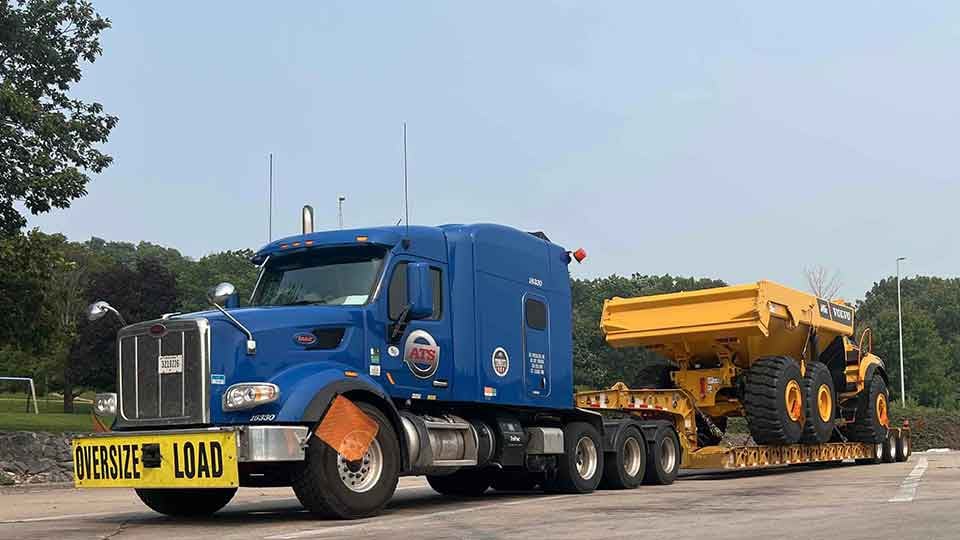
The deeper dive: Many jurisdictions only allow over-dimensional (OD) freight to move during daylight hours. The U.S. loses over a minute of daylight every day in November — which means by the end of the month, there’s 30 fewer minutes in which OD freight can move.
Daylight Saving Time also ends on Sunday, Nov. 2. As we “fall back,” truckers will have to stop driving earlier in the day than in previous months, which compounds the effects of the overall decline in daylight.
While a differential of about 90 minutes (by month’s end) may not seem like much, remember that things are further complicated by truck driver Hours of Service restrictions. Work with your carrier to be sure you are allowing enough time for your OD load to move during daylight hours.
But the ever-darkening days aren’t the only factor shippers of OD freight will have to consider this month.
Veterans Day and Thanksgiving, both federal holidays, take place in November (the 11th and the 27th, respectively). Some jurisdictions will restrict OD freight movement on these holidays, and permit offices may be closed.
The bottom line? Shippers need to be diligent about advanced planning for OD freight movements in November. Increased restrictions and holidays-related disruptions are unavoidable this month, but working with your transportation providers to plan will help you make the most of the viable transit windows.
How does Thanksgiving week affect freight capacity and pricing?
Thanksgiving is one of the busiest travel days of the year. While you may not see as many semi-trucks on the road, the motoring public is on their way to visit family both near and far.
Truck drivers want time off to see their families, too. That means there will be fewer trucks available the week of Thanksgiving.
A note on trucker holiday time: Some drivers prefer to take off the entire holiday season (November through New Year’s Day) and they’ll save up all year to do so, while others leave their usual service areas and head for warmer weather — which is often synonymous with a more diverse freight mix.
There are drivers who are willing to work on the holiday, but they expect to be paid a premium for that time. Be prepared for slightly higher prices over the next two months as drivers enjoy some well-deserved relaxation.
Another Thanksgiving-related shipping tip? If possible, plan with your consignees to have freight arrive the week before Thanksgiving or the following week. This will help mitigate traffic-related delays, lack of capacity, and higher freight rates.
Don’t forget about Black Friday, either. Consignee companies may close for the day, and retail consignees likely have all hands on deck (or in this case, on the sales floor) to cover one of the year’s biggest holiday shopping days. If your shipment will arrive on Black Friday, make sure to double-check that there will be someone on site to help unload.
Planning for November Shipping Success
November is when the trucking industry starts feeling winter’s weight — shorter days, unpredictable weather, and a surge of holiday activity. While this year’s lower import volumes may offer slight relief, shippers should still expect volatility in rates and capacity across all modes.
Success this month depends on preparation. The shippers who forecast accurately, build flexibility into schedules, and maintain close carrier communication will move freight efficiently even through the season’s challenges.
And when the turkey’s carved and the leftovers are calling, you’ll know your freight is right where it needs to be — safe, secure, and delivered on time.
So, speaking of preparedness: check out our article on what to expect from the 2025 holiday shipping (and shopping!) season. It provides 2025-specific tips on how to be your most successful in these high-impact weeks.