Resources & Insights
When it comes to the transportation of your freight, predicting your pricing and budgeting properly can be difficult.
In November 2021, the U.S.’ manufacturing output index — a segment of the Industrial Production Index (used to gauge the real economic production of national industries like oil & gas, mining, etc) —- increased to its highest level in over three years.
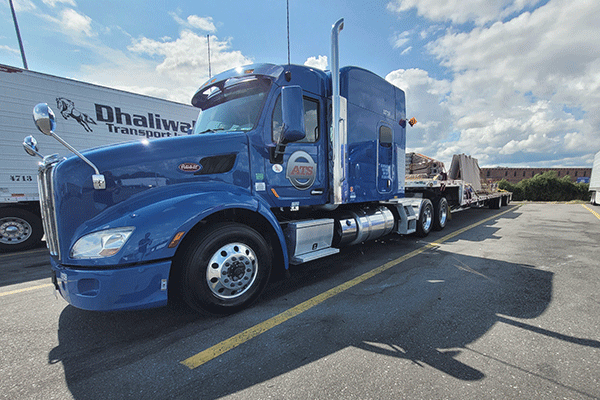
As we near the conclusion of 2021, and begin the twenty-second leg of our 2000’s journey — with a year that promises more challenges, triumphs and learning opportunities — a bit of reflection would do all of us well.
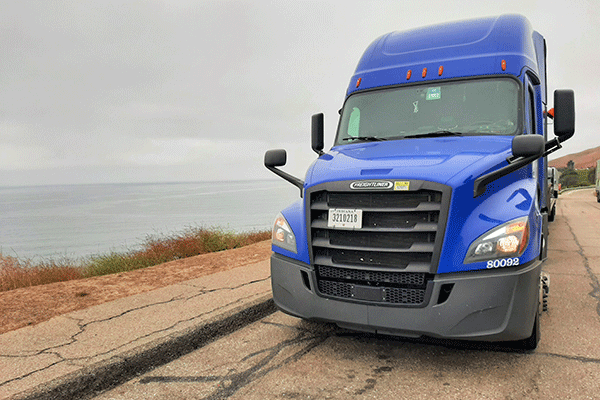
When a company decides to transition away from customer-routed freight operations and toward managing these processes in-house, there’s typically a single driving factor.

Sometimes, it can feel like things are only getting more expensive. Especially when every freight rate you’re given seems steeper than the next. Just like other logistics professionals, using your shipping dollars correctly is what you do. It’s why you’re good at your job.
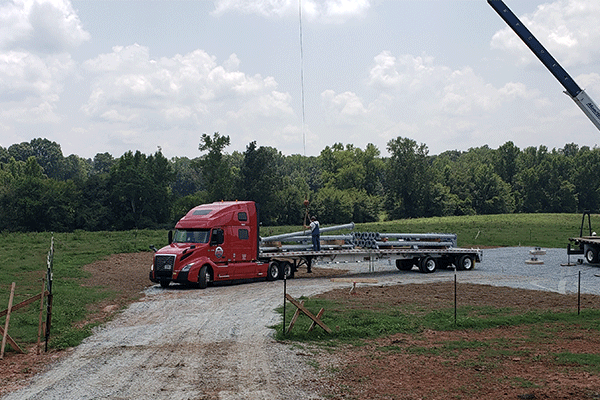
Unless you live off the grid, under a rock AND far from the beaten path, your day-to-day life is heavily influenced by countless industries.
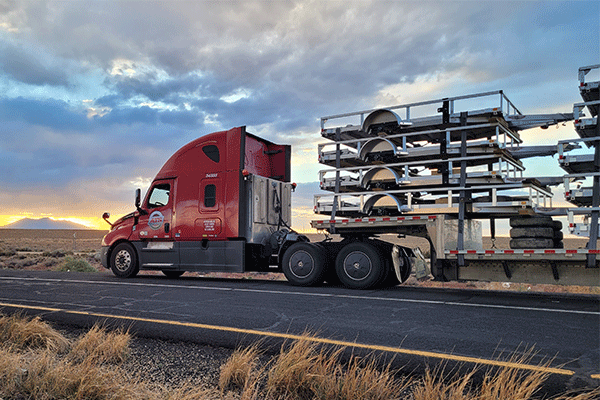
After a hard-hitting few months, sometimes it’s nice to have an off-season. A period of time dedicated to taking a step back, evaluating past performances and planning for the future.
The total freight length you’re legally allowed to transport using a flatbed trailer changes from one state to the next. Each state government has very specific guidelines outlining what dimensions shippers can and cannot haul on a flatbed trailer without permitting.
The trucking industry is home to an extensive host of trailer types. From step-deck to lowboy trailers — designed to haul height-sensitive freight — to dry van and reefers commonly used to move food and beverage items. If you have freight to move, it’s likely that the trucking industry has the perfect trailer for you.