Resources & Insights
Partial Truckload (PTL) vs. Less-Than-Truckload (LTL) Shipping: A Head-To-Head Analysis
It’s natural to feel overwhelmed when selecting a transportation service for your business; there are a ton of great options.
7 Common Construction Equipment Transportation Mistakes and How to Avoid Them
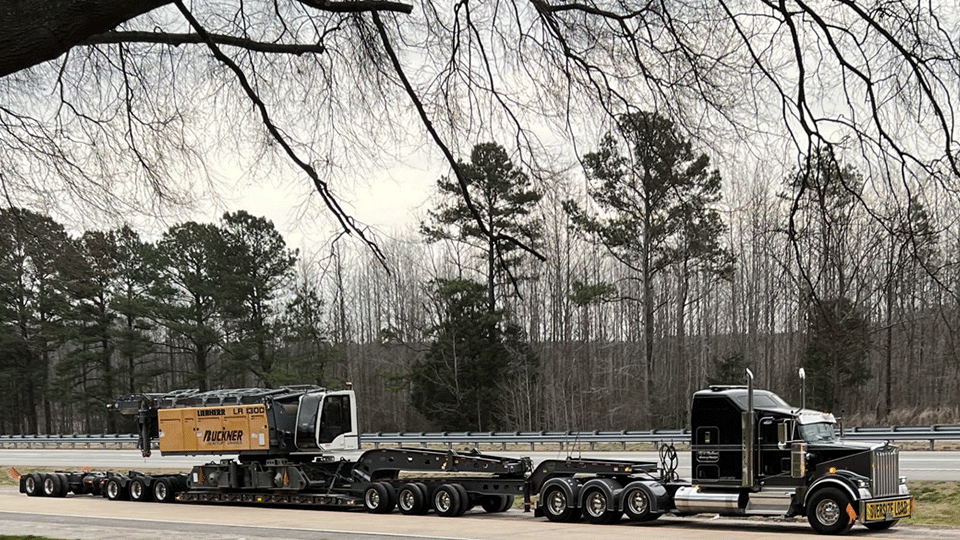 Shipping construction equipment is a complex task that demands precision, planning, and an eye for detail.
For shippers dealing in these rugged pieces of heavy machinery and equipment, ensuring their safe and timely arrival is crucial to maintaining operational efficiency and avoiding costly delays.
7 Ways to Protect Your Open-Deck Freight During Transport
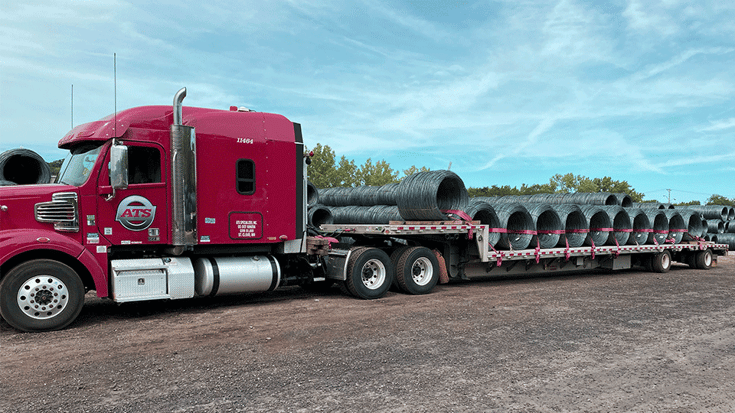
Protecting cargo is top of mind for many companies. That said, ensuring freight arrives at its destination in good condition can sometimes be challenging for open-deck shipments which have external elements, like the weather, to contend with.
6 Common Flatbed Shipping Problems (and How to Avoid Them)
Open-deck shipments hauled on flatbed, step-deck and double-drop trailers keep American supply chains rolling along. With assistance from service providers like asset trucking companies and freight brokers, shippers with open-deck freight to move can do so timely and cost-effectively.
The 5 Keys to Choosing a Flatbed Trucking Company For Your Business
As a central segment of your supply chain, your transportation processes and partnerships should never go unnourished.
8 Ways to Save Money on Your Flatbed Freight Shipments
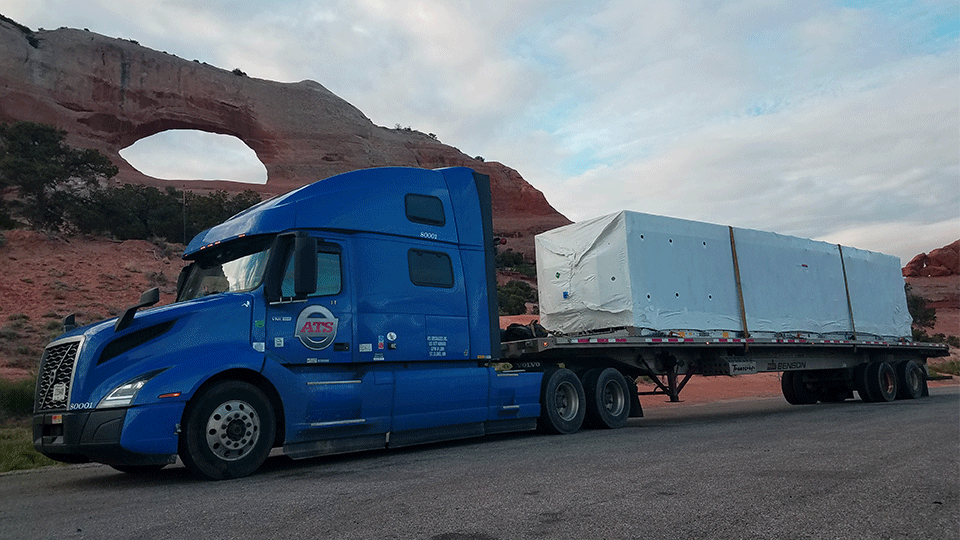
More than $100 billion. That’s how much money shippers — across the U.S. — spent moving their open-deck freight in 2021 alone. This number — which reflects a total that has steadily risen in recent history — is likely to continue its upward trend in the years ahead.
[Video] Can I Overhang On a Flatbed Trailer?
When moving flatbed freight it's important to understand the overhang laws that govern these loads. With so many variables weighing into locational overhang thresholds, however, these regulations can be difficult to understand.
[Video] Common Flatbed Trailer Types
When Does it Make Sense to Start a Drop Trailer Program? (& 3 Tips for Success)
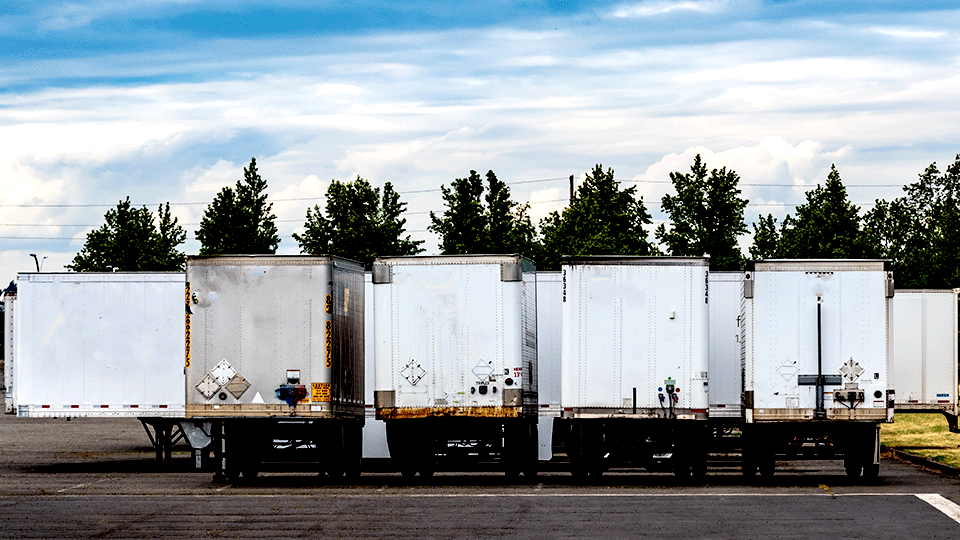
As a logistics professional, your sights are constantly set on efficiency, set on optimizing your processes to assist your company toward brighter days.

Partial Truckload (PTL) vs. Less-Than-Truckload (LTL) Shipping: A Head-To-Head Analysis

It’s natural to feel overwhelmed when selecting a transportation service for your business; there are a ton of great options.
7 Common Construction Equipment Transportation Mistakes and How to Avoid Them
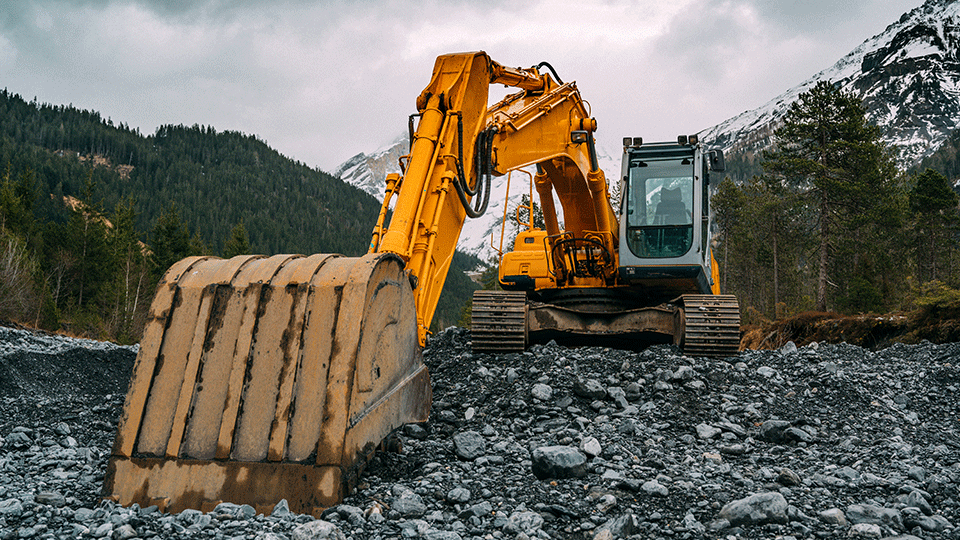
Shipping construction equipment is a complex task that demands precision, planning, and an eye for detail.
For shippers dealing in these rugged pieces of heavy machinery and equipment, ensuring their safe and..
7 Ways to Protect Your Open-Deck Freight During Transport

Protecting cargo is top of mind for many companies. That said, ensuring freight arrives at its destination in good condition can sometimes be challenging for open-deck shipments which have external elements,..
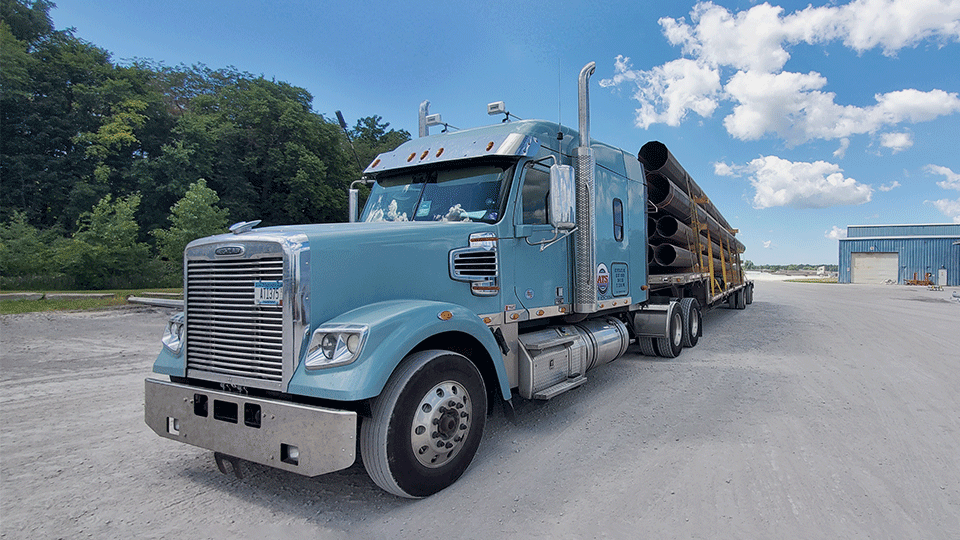
The 5 Keys to Choosing a Flatbed Trucking Company For Your Business
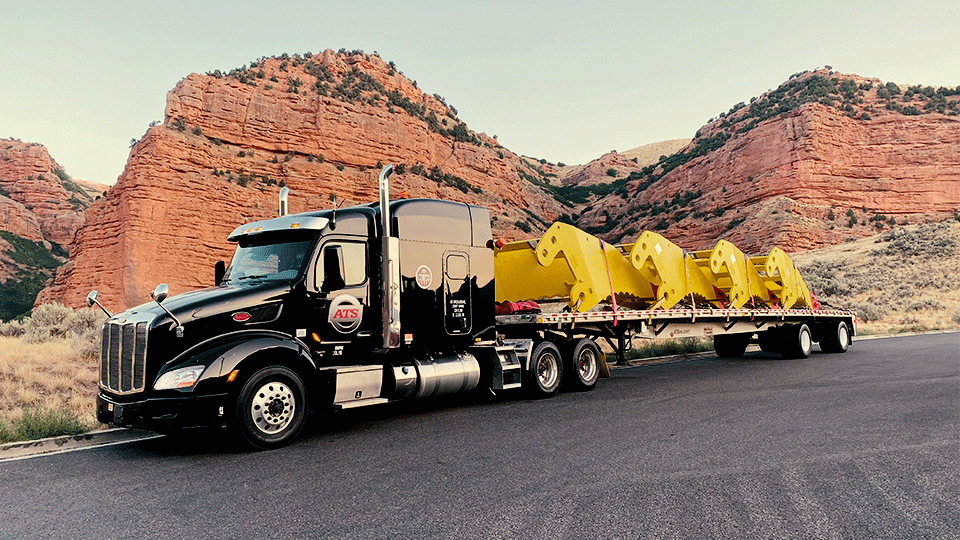
As a central segment of your supply chain, your transportation processes and partnerships should never go unnourished.
8 Ways to Save Money on Your Flatbed Freight Shipments
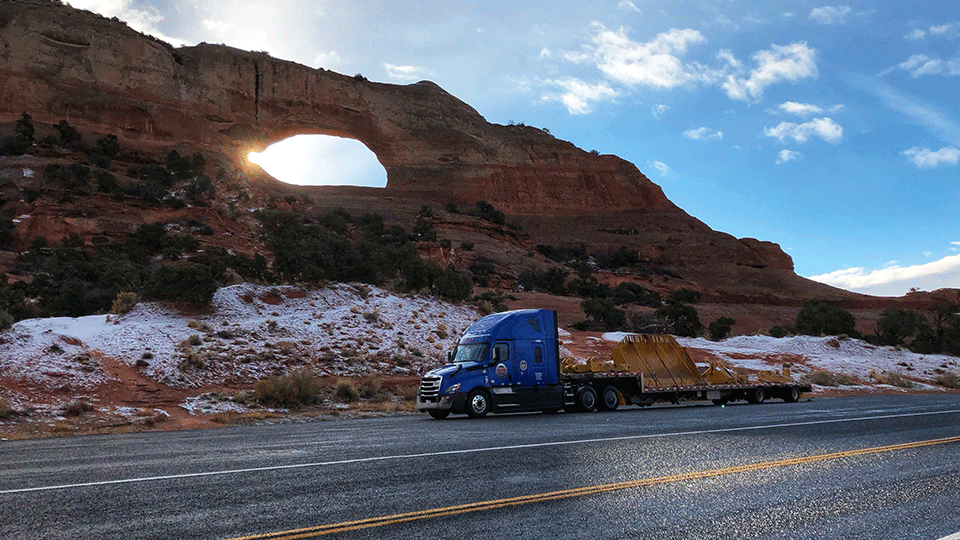
More than $100 billion. That’s how much money shippers — across the U.S. — spent moving their open-deck freight in 2021 alone. This number — which reflects a total that has steadily risen in recent history —..