Resources & Insights

Dr. Martin Luther King, Jr. Day (MLK Day) is a federal holiday, so for some shippers moving oversize/overweight (OSOW) freight, it may not be business as usual.
Compared to traditional freight, heavy equipment transport comes with greater risk, stricter regulations, and a steeper price tag.
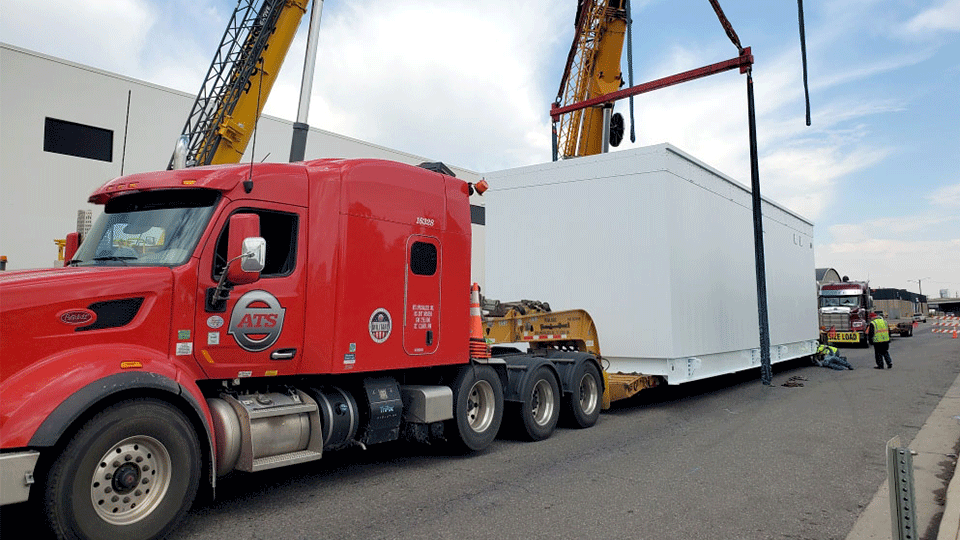
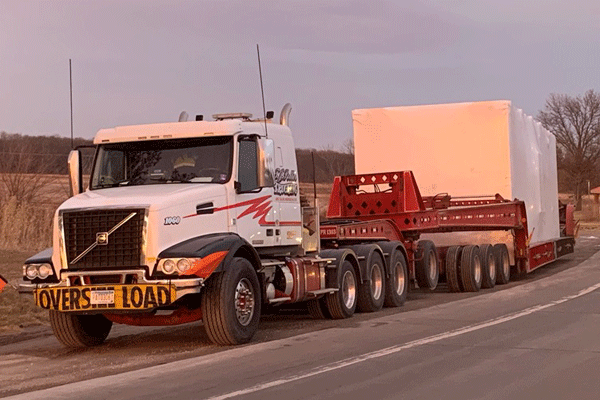
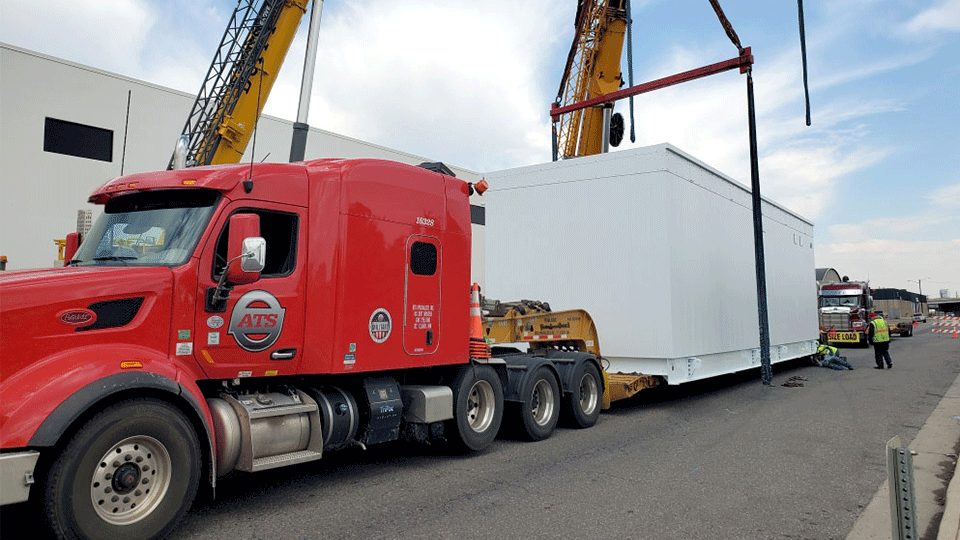
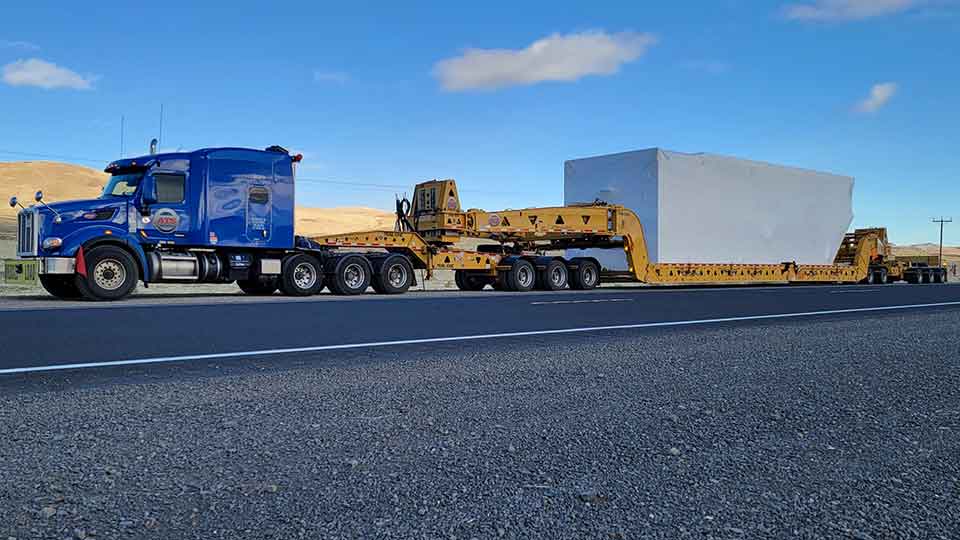
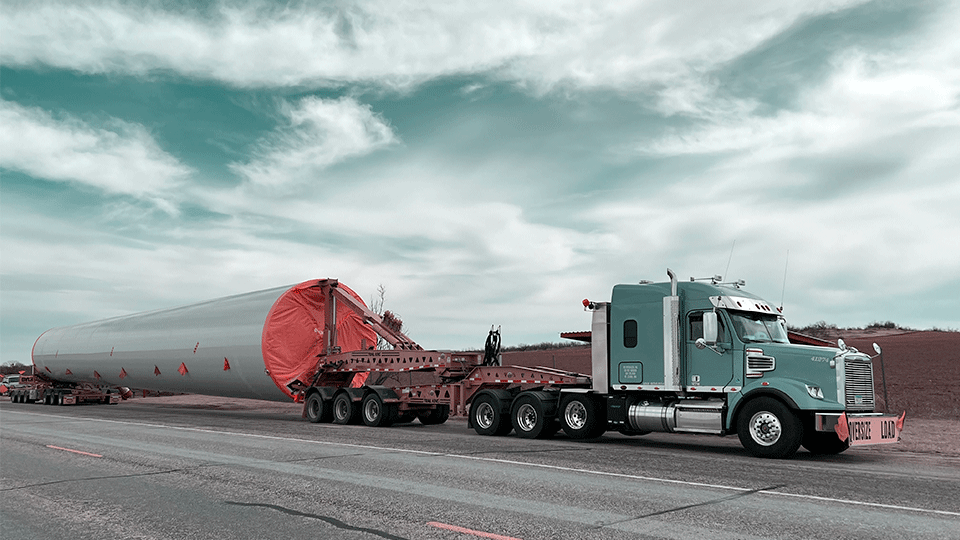
Heavy haul shipments are some of the most complex loads to move. Most will require permitting and route planning, a specialized trailer, a heavy haul truck, an experienced driver, and a thorough plan for safe loading, transport, and unloading.
During the winter months, blizzards and ice in the northernmost states may impact your shipping schedule. But did you know there's another factor that could impact your deliveries as winter transitions into spring?
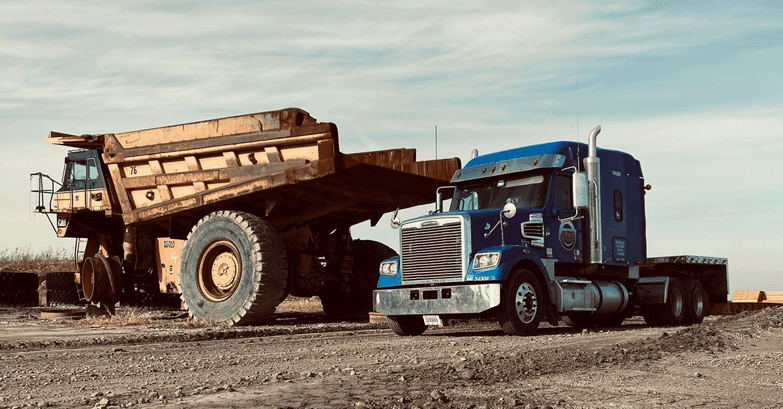
January is seen as the “reset” month for the trucking industry. After the fast-paced holiday shipping season, freight activity slows down, giving carriers and shippers time to recalibrate.

Sending valuable freight across the country is a stressful experience for shippers — and that’s before factoring in the extra time, effort, and cost to obtain over-dimensional (OD) freight permits.
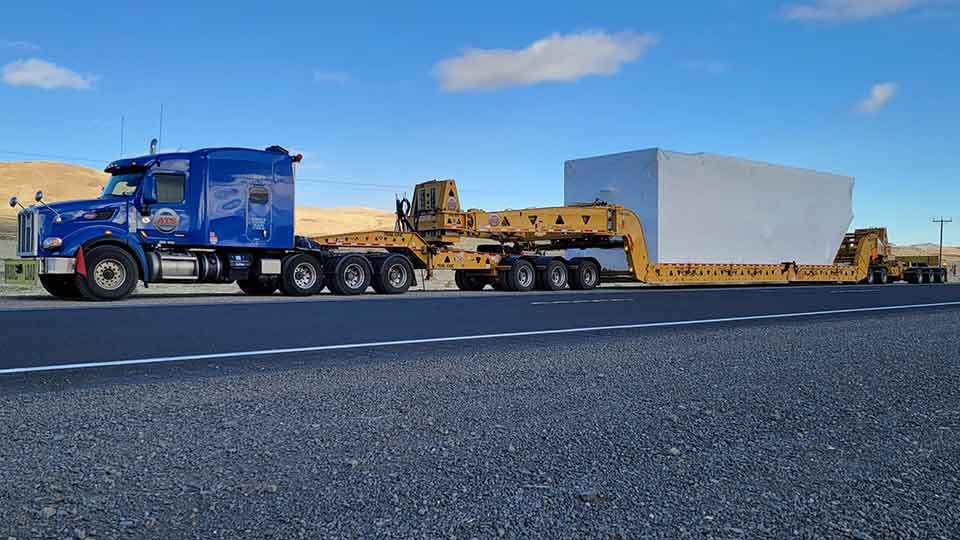
Roads and bridges are engineered to support a specific amount of weight. Exceeding this weight limit can have disastrous consequences, including bridge collapse or permanent road damage.
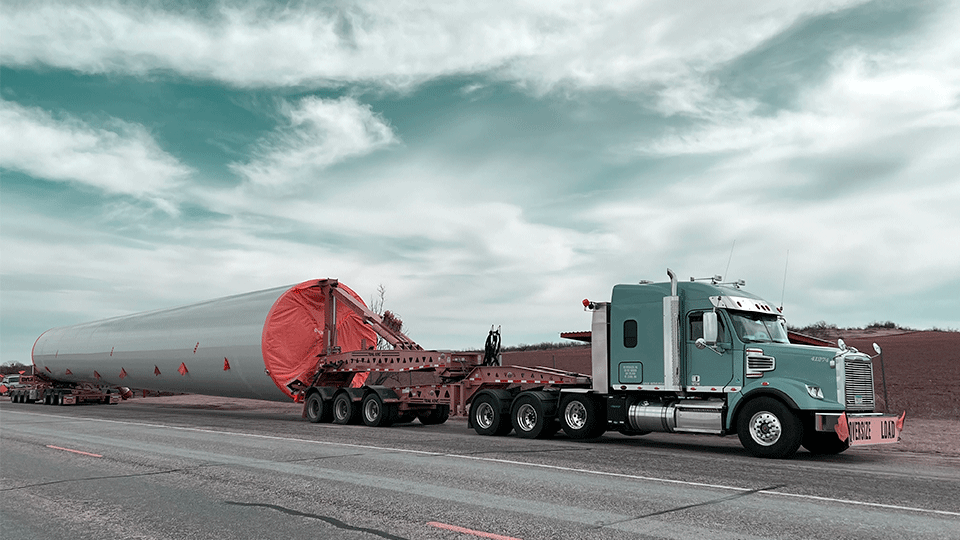
Whenever you ship heavy haul cargo, safety is a significant concern. Keeping your freight secure, your reputation clean and, most importantly, the motoring public safe as cargo transits from A to B, takes expertise, planning and robust protocols.
If you have questions about whether your freight will need heavy haul trucking service, you’re not alone. The transportation industry, and the companies within it, offer an array of services meant to meet the needs of businesses across industries.