Troy Heyne
Troy is the director of global accounts at ATS and has been at the company for over 25 years. He has extensive experience in heavy haul and specialized transportation, works closely with many Fortune 500 companies and is responsible for a good customer experience.
Articles by Troy Heyne
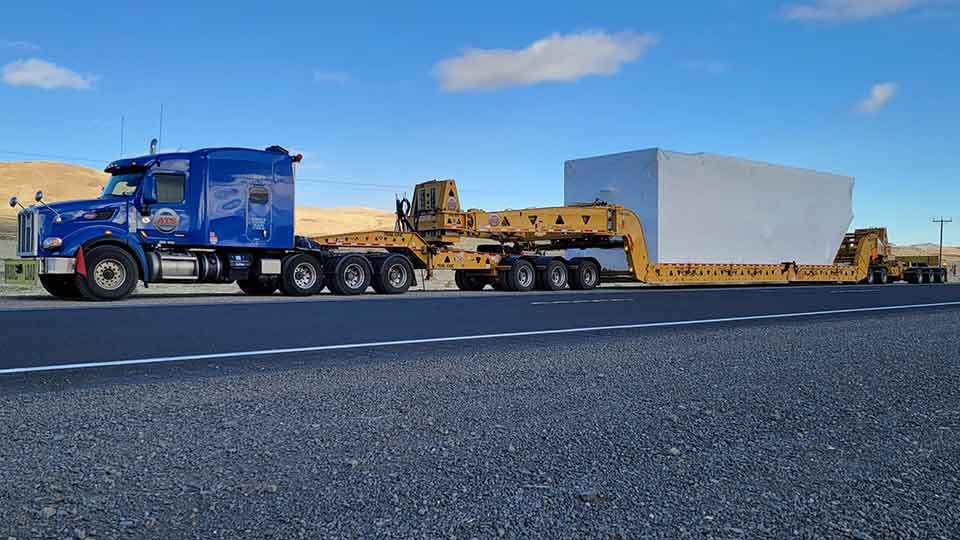
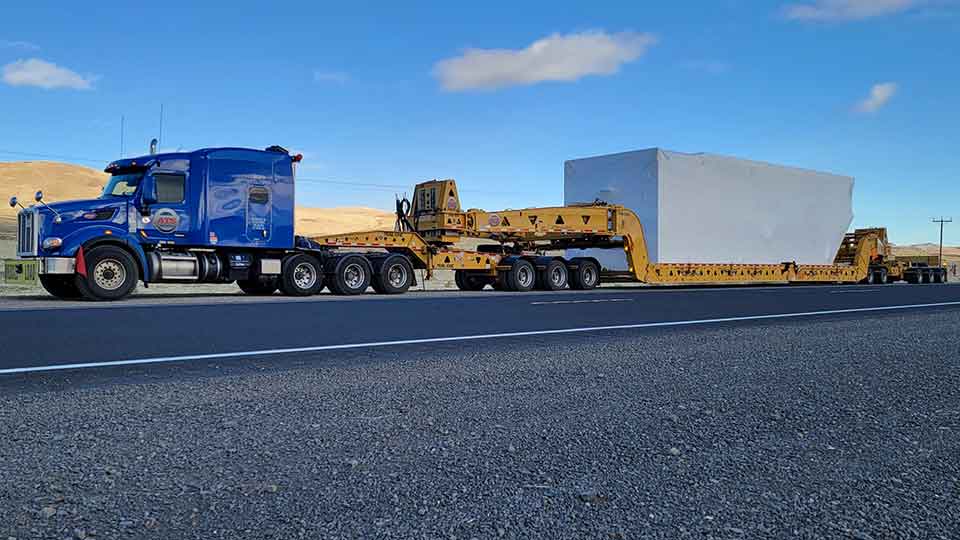
Roads and bridges are engineered to support a specific amount of weight. Exceeding this weight limit can have disastrous consequences, including bridge collapse or permanent road damage.
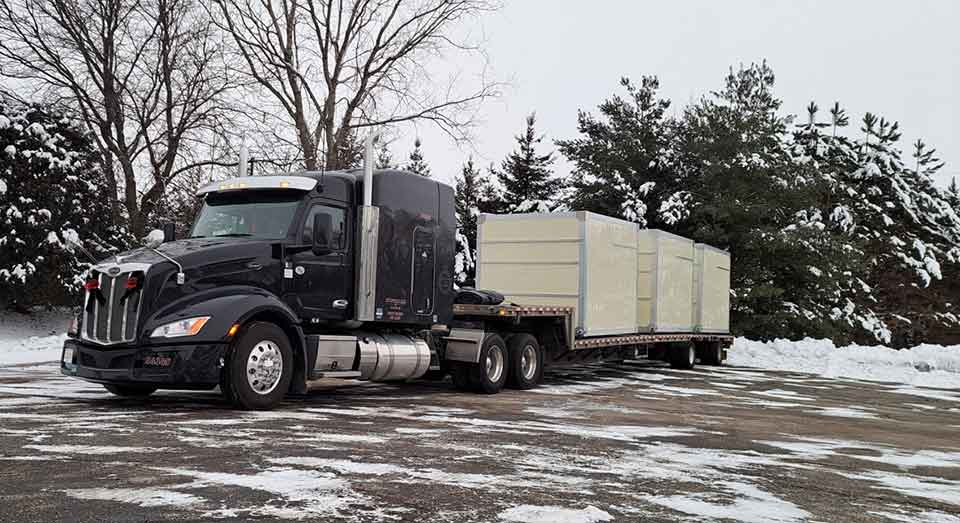
So you’ve contracted with a freight carrier, and they have indicated that they will be using a step-deck trailer. What does that mean? Will the freight arrive safely to your destination? How does the carrier determine which type of trailer is best for your particular freight?
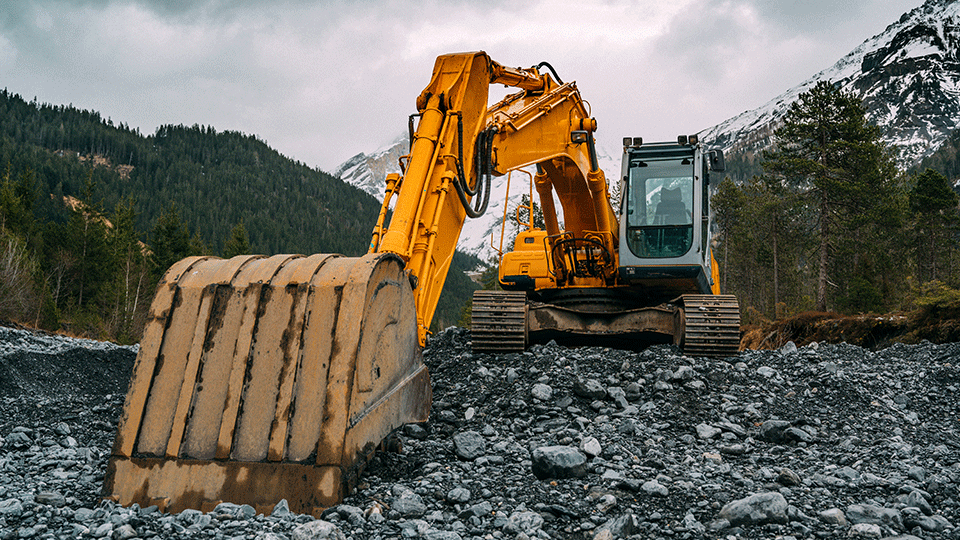
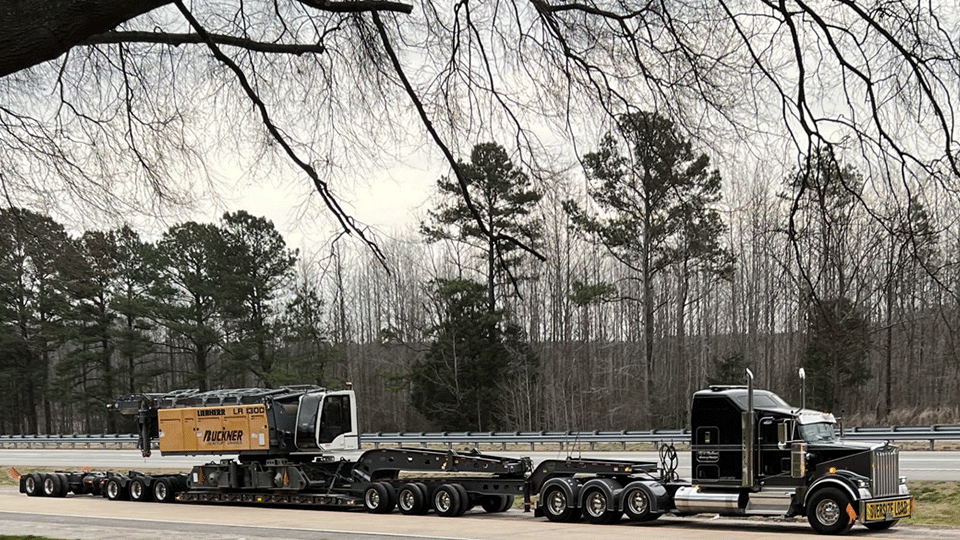 Shipping construction equipment is a complex task that demands precision, planning, and an eye for detail.
For shippers dealing in these rugged pieces of heavy machinery and equipment, ensuring their safe and timely arrival is crucial to maintaining operational efficiency and avoiding costly delays.
Finding trucks to pull your freight in the current market is continuing to prove difficult. That’s forcing you to get more creative in the way you find capacity for a reasonable price.
Depending on how frequently you ship freight, you've probably had the debate on whether you should use the spot market versus the contract market. After all, they are two of the most common pricing options when shipping truckload freight.
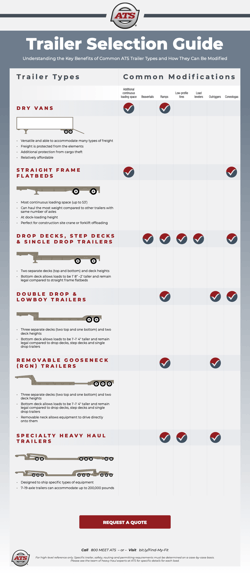 When you need to ship freight that won't fit within the enclosed dimensions of a dry van, you know you need an open deck trailer. However, you might not know there's a wide variety of open deck trailers available and your options include — but also extend well beyond — those offered by flatbed shipping.