The Ultimate Guide to Warehouse and Distribution Services
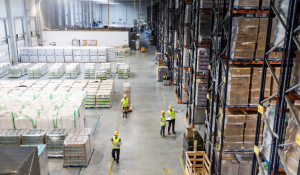
Warehousing and distribution are essential parts of many supply chains, but finding the right services can be overwhelming — especially with so many different options and providers out there.
Warehousing and distribution are essential parts of many supply chains, but finding the right services can be overwhelming — especially with so many different options and providers out there.

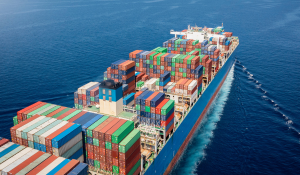
The price of shipping containerized cargo across international borders has been trending upward — sometimes in dramatic fashion — for several years now.

The Port of Baltimore channel has fully reopened to all vessel traffic as of June 10, 2024, following 11 weeks of painstaking progress clearing debris from the collapse of the Francis Scott Key Bridge.

On June 11, 2024, the Canadian government and the Public Service Alliance of Canada (PSAC), the union representing over 9,000 Canadian Border Services Agency (CBSA) workers, reached a tentative collective agreement.
New of the agreement eased fears of a labor action that would have slowed activity at the border, including the movement of Canada-bound freight shipments.
The transportation industry is brimming with terminology, acronyms, and abbreviations that are unique to the business of freight movement.
To the uninitiated, the sheer amount of things to learn and variables to manage can be overwhelming.
Shipping freight by air for the first time — or even the 101st time! — can feel overwhelming, especially for shippers unfamiliar with the many unique terms and processes involved.
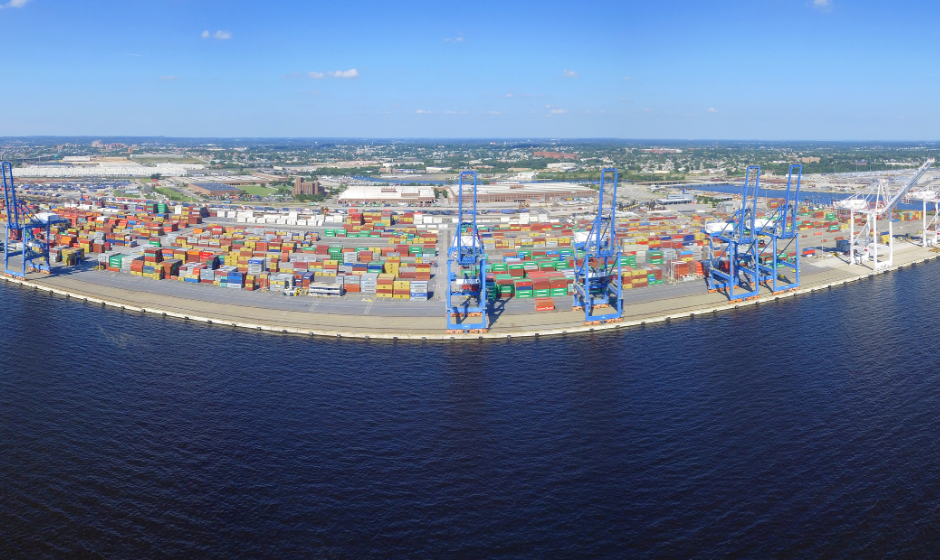
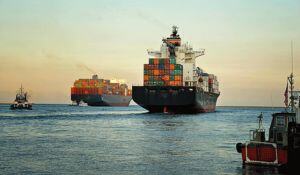
Whether a port closes due to a worker strike, extreme weather, or an infrastructure failure, it represents a major hiccup in the supply chains of shippers around the world.
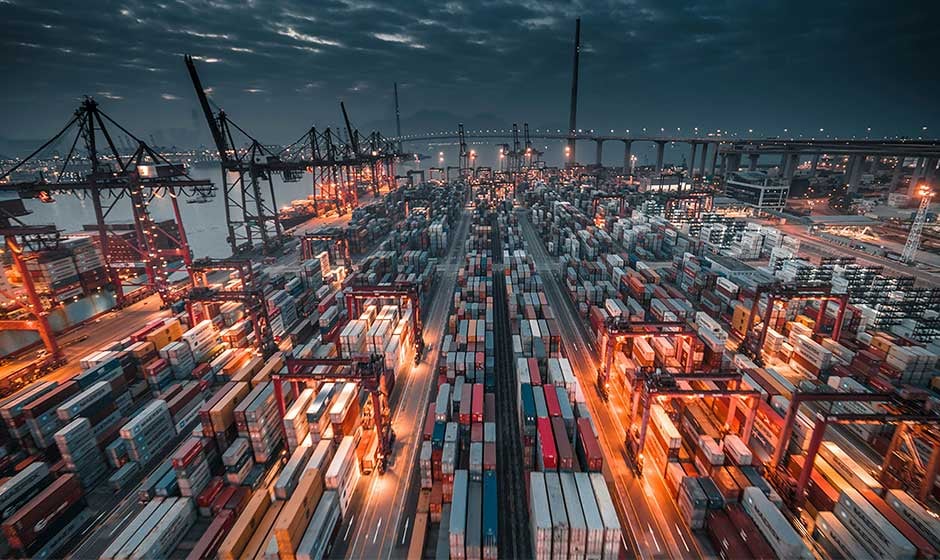 The deeper you look into the transportation world, the more complexity you’ll find. While no aspect of your job is easy, per se, overseeing your business’ transportation supply chain can be overwhelming.
Shipping goods across the country, and especially from overseas, is rarely as simple as loading the material once at the origin point and then unloading it at the final destination.
The price of shipping containerized cargo across international borders has been trending upward — sometimes in dramatic fashion — for several years now.
The Port of Baltimore channel has fully reopened to all vessel traffic as of June 10, 2024, following 11 weeks of painstaking progress clearing debris from the collapse of the Francis Scott Key Bridge.
On June 11, 2024, the Canadian government and the Public Service Alliance of Canada (PSAC), the union representing over 9,000 Canadian Border Services Agency (CBSA) workers, reached a tentative collective..
Shipping freight by air for the first time — or even the 101st time! — can feel overwhelming, especially for shippers unfamiliar with the many unique terms and processes involved.
Whether a port closes due to a worker strike, extreme weather, or an infrastructure failure, it represents a major hiccup in the supply chains of shippers around the world.
The deeper you look into the transportation world, the more complexity you’ll find. While no aspect of your job is easy, per se, overseeing your business’ transportation supply chain can be overwhelming.
Shipping goods across the country, and especially from overseas, is rarely as simple as loading the material once at the origin point and then unloading it at the final destination.






You don't want your freight in just anyone's hands. Find a transportation provider that cares about your safety and your reputation. Learn how ATS can help.