Resources & Insights
Why does moving freight always feel so daunting? Like there’s something you don’t know. Some secret ingredient you’re missing that you never seem to find. In recent memory, getting your LTL shipments delivered without a hitch has felt like a distant fantasy. Like it simply can’t be done. Not by you anyway.
Carriers and transportation providers shouldn’t be the only people who understand less-than-truckload (LTL) freight classifications. After all, it’s not even their freight that needs transportation. No, as a shipper in a booming industry, you deserve to know everything about how your freight is classified.
Getting freight to your consignee’s door quickly, when it counts, can make or break your timelines. Be it a single pallet of machine parts or a truckload of fabricated steel, delivering on your commitments is important to your relationships, your business and your bottom line.
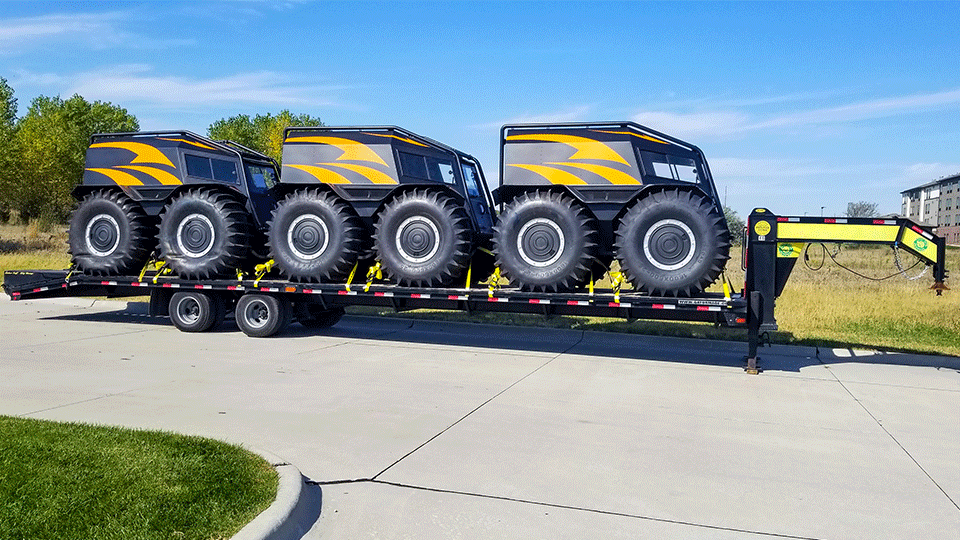
Hot shot trucking is a type of trucking service that uses medium-duty pickup trucks and flatbed or gooseneck trailers to haul urgent, time-sensitive freight. It is typically used for smaller loads that need to be delivered quickly, often without waiting for a full truckload shipment schedule.
In simple terms, hot shot trucking is:
- fast freight transportation for urgent loads
- usually handled with a pickup truck and trailer rather than a full semi-truck
- commonly used for smaller, partial, or expedited shipments
Hot shot trucking is often used in industries like construction, agriculture, manufacturing, and oil and gas, where equipment, parts, or materials may be needed on short notice. Compared with standard trucking, hot shot loads are usually lighter, more flexible, and more time-sensitive.
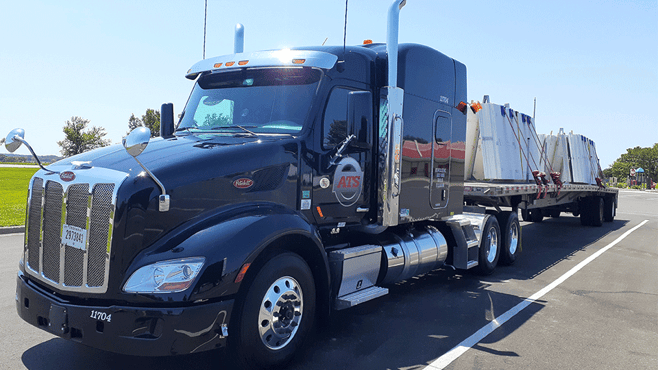
Ever been called a hot shot? Outside of the trucking industry, a hot shot is someone who’s flashy, successful or larger than life — but in the world of transportation, a hot shot is a smaller trailer hauled by a commercial pick-up
Shipping large quantities of freight to a wide array of receivers can be a complex task. But understanding the best way to do this, what options are on the table and which services fit your supply chain is important.
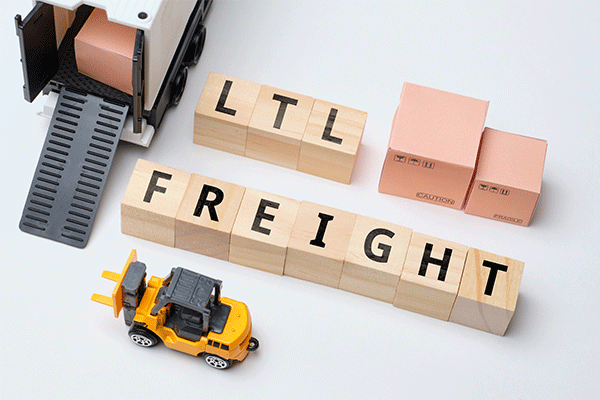
The last itemized list you got from your less-than-truckload transportation provider probably had several surcharges that were included in your final rate. Like many industries, the trucking world is ripe with rich — and oftentimes confusing — jargon.
What are all of these charges that were included in your final rate?
Whether you’re new to shipping freight and have heard the term “bill of lading” thrown around in reference to your shipments, or a seasoned logistics veteran the BOL is important to understand.
You know that this is an important piece of the freight shipping process but just aren’t sure how the BOL is used, whether it’s important to understand or how frequently it should be updated.
If you’ve recently used less-than-truckload or partial-truckload transportation services for your freight, you’re probably wondering why the transit timing for these shipments is so hard to predict, especially at the time of pick up.
Of course the distance your freight needs to travel impacts the time it takes to get there. Based on land distance alone it takes longer to get from NY to Cal than from NY to N.J. But there’s more to it than that.