Resources & Insights
Freight shipping is a complex operation with a lot of variables. Basically, you are trusting some of your valuable assets to a carrier to load, transport and unload them at your final destination.
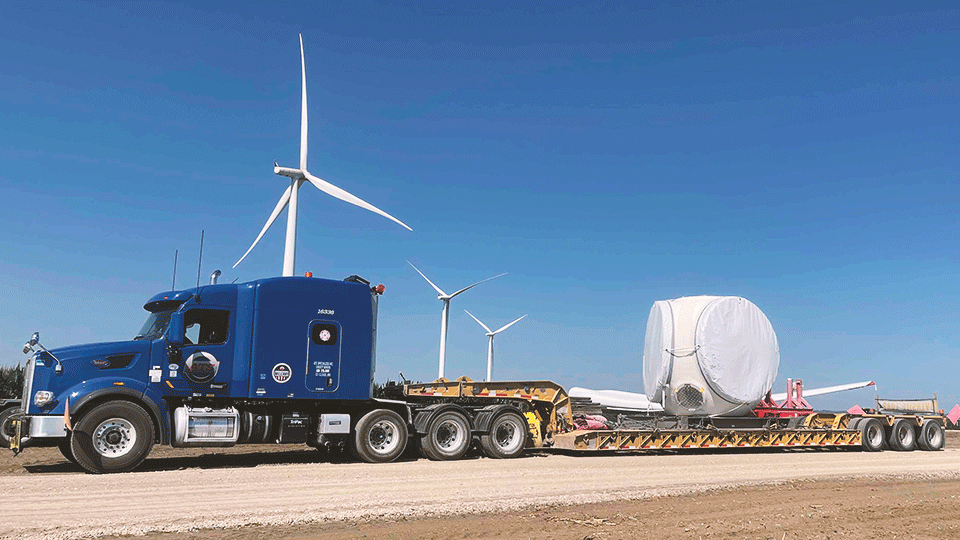
Even for the most experienced supply chain professionals, arranging and overseeing project logistics can be a massive undertaking. Regardless of its size, every project has tight timelines, multiple stakeholders to coordinate with and a budget to uphold.
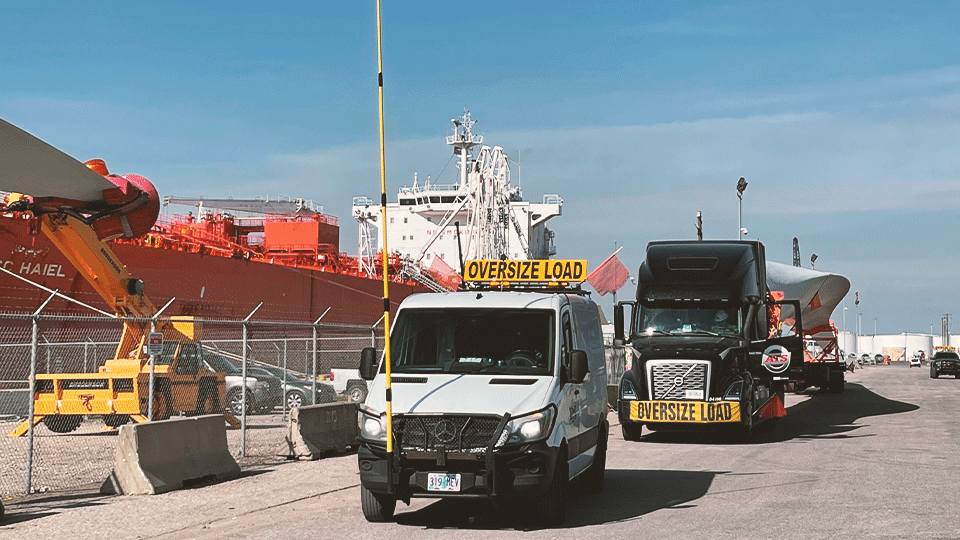
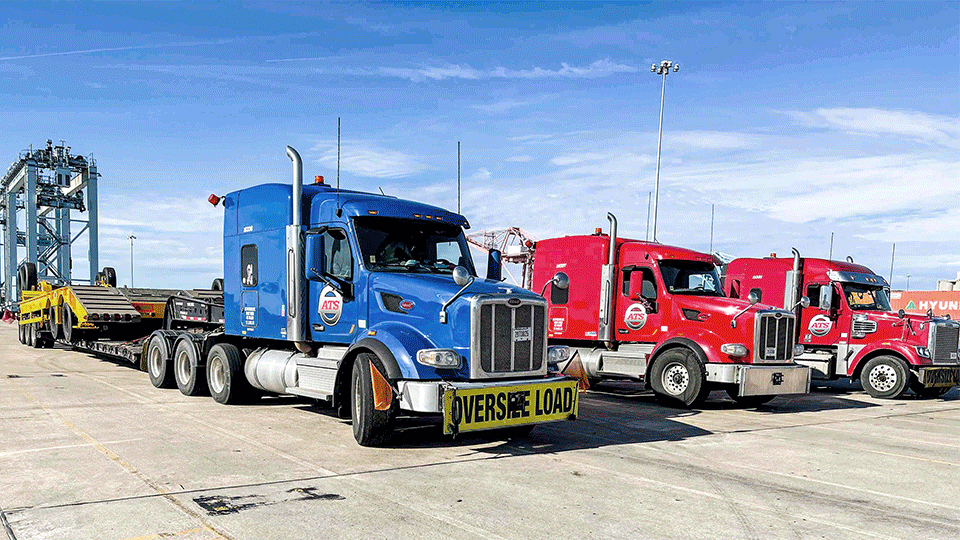
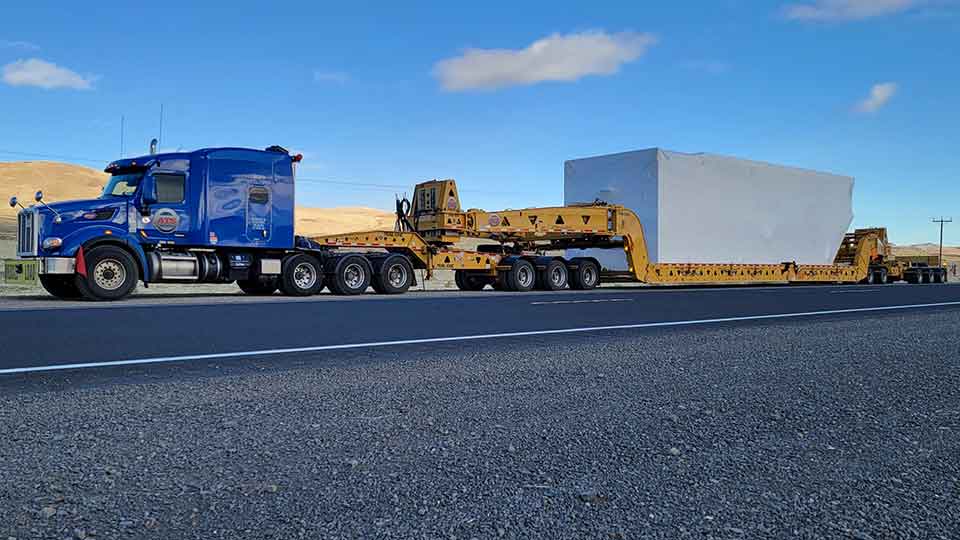
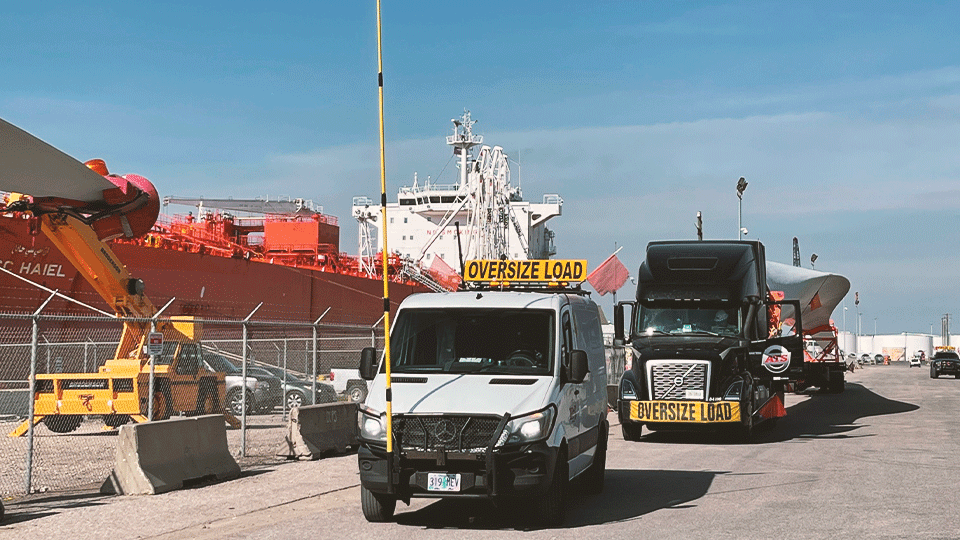 Over-dimensional (OD) freight shipments require a lot from the companies that manage them. Among other things, permits must be acquired, a route must be planned and the correct transportation solution must be identified and arranged.
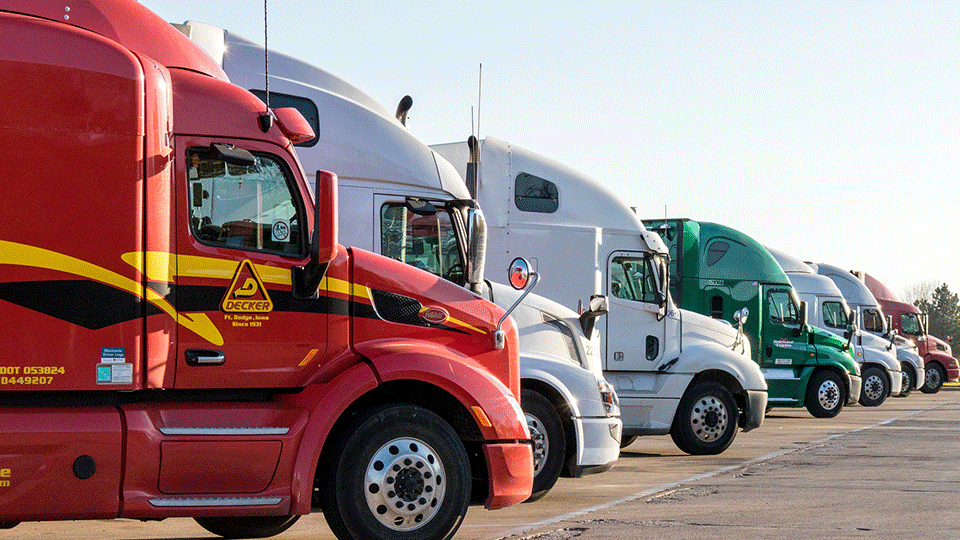
Assuming that a multi-truck project is priced in the same manner as a one-off shipment is one of the more common hangups logistics professionals encounter while sourcing project quotes.
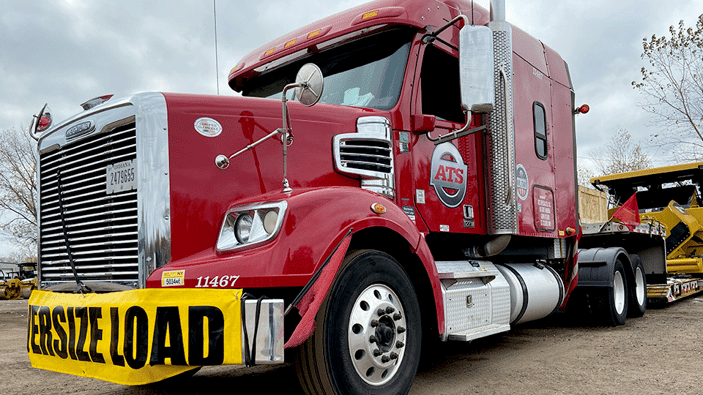
Transportation projects are many things: vital to the health of global supply chains; necessary for the continued improvement of our world; foundational to the success of many businesses.
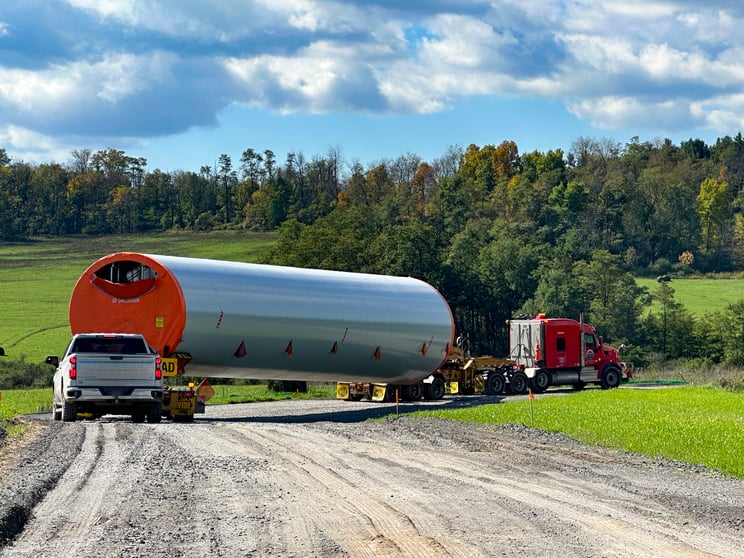
If you’re in the early stages of planning a large project — like a new or relocating data center, wind farm, or grid-scale energy storage — you know that the more complex it gets, the more critical the details are.
Projects have been a piece of your reality for as long as you can remember. Whether it was a fifth-grade book report, a high school shop class assignment or putting the finishing touches on that home renovation, it’s always nice to look back on projects of the past with a sense of accomplishment and pride over a job well done.
When a company decides to transition away from customer-routed freight operations and toward managing these processes in-house, there’s typically a single driving factor.
Your freight shipment failed again. Your truck didn’t show up, your freight didn’t make it on time, and your relationship with your customer is struggling. Every time you ask your transportation partner why this is happening they give you a different answer and you want to know why.