Resources & Insights
Your load failed again. Not because of an unforeseen circumstance —like a truck breakdown — or an oversight on your part. No, your freight may be sitting in your loading dock, but it’s not because of anything you did. The due diligence you displayed in finding this newest provider was evident.
Without understanding the price you’re paying for your freight, maintaining a budget can quickly get out of hand. Freight rates and the factors that dictate them are constantly fluctuating. This can leave shippers wondering how to maximize their budget and reduce their spending.
Moving freight in the hospitality industry can be a complex process, especially when deadlines are tight and timelines are dynamic. Without a competent transportation partner, companies like yours can struggle to keep their supply chains on track, which can be disruptive at least and disastrous at worst.
Keeping up with the intricacies of this industry, in addition to your other daily duties, can be a difficult task. The transportation world is rich with terms and phrases, rules and regulations, and enough service options to make your head spin.
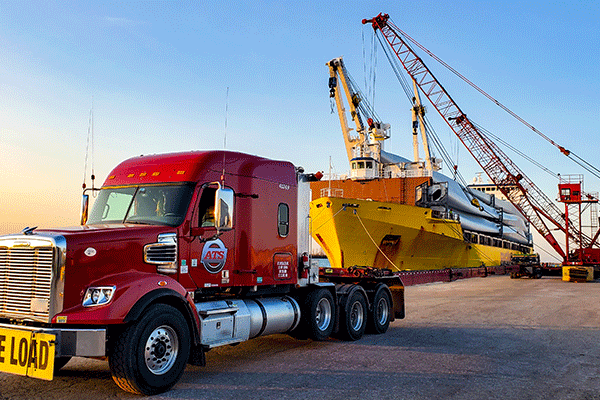
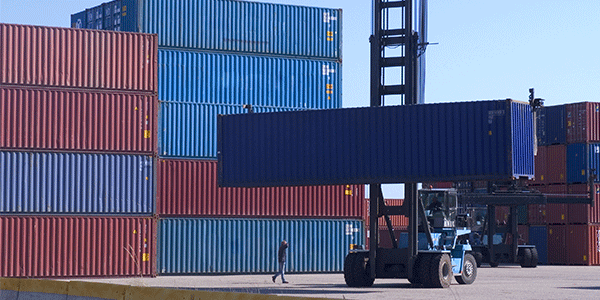
You’ve routed your shipment through a U.S. port before and know that doing so provides its own set of unique fees and challenges. The services provided to your shipment at the port can become expensive and you want to make the most of your budget.
The trucking industry is full of unique services dedicated to making the lives of shippers and receivers a little bit easier. You frequently ship freight to multiple customers but recently this process has become tedious and difficult to manage.
Your freight shipment failed again. Your truck didn’t show up, your freight didn’t make it on time, and your relationship with your customer is struggling. Every time you ask your transportation partner why this is happening they give you a different answer and you want to know why.
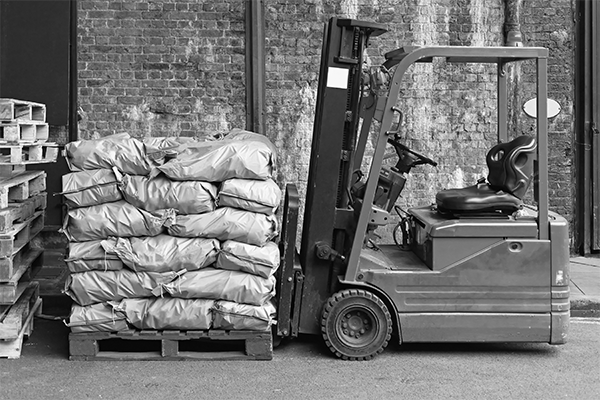
If you’ve recently used less-than-truckload or partial-truckload transportation services for your freight, you’re probably wondering why the transit timing for these shipments is so hard to predict, especially at the time of pick up.
You’ve put in the time.