Resources & Insights
As we near the conclusion of 2021, and begin the twenty-second leg of our 2000’s journey — with a year that promises more challenges, triumphs and learning opportunities — a bit of reflection would do all of us well.
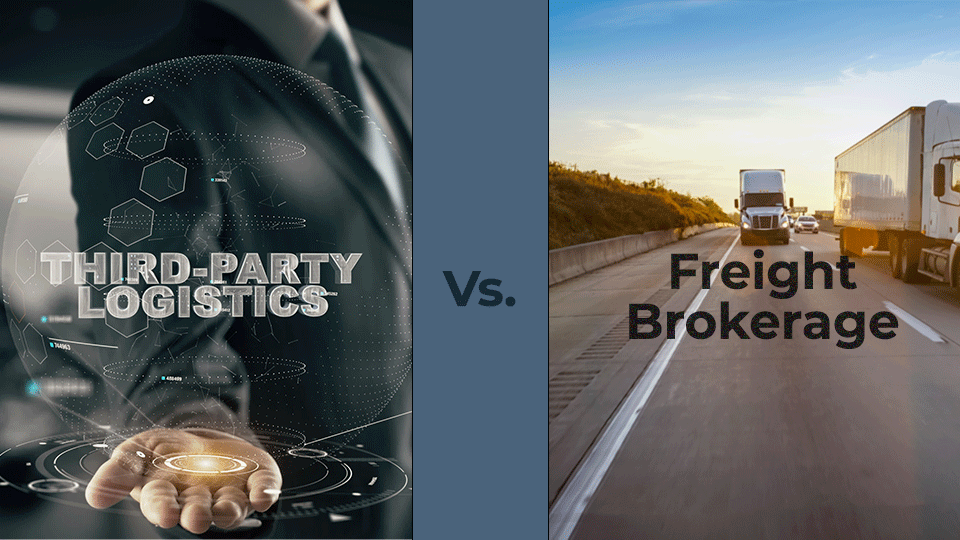
Look, the transportation industry is a funny place; trucking companies and freight brokerages stand shoulder to shoulder, jostling for each shipper’s attention by offering the best-in-class services that “only their company can provide.”
When a company decides to transition away from customer-routed freight operations and toward managing these processes in-house, there’s typically a single driving factor.
As one of your company’s core decision-makers, you’re constantly looking for ways to improve. The business world is competitive and there are companies in your industry that are excellent at what they do. But you’ve never been one to back down from a challenge.
Getting the most from your supply chain often comes down to how well your transportation providers fit your needs.
Sometimes, taking a step back is important. Doing so allows us to inventory our strengths and pinpoint other areas for improvement. The ability to do this, to take a step backward and survey your transportation network, is key to your success as a logistics professional.
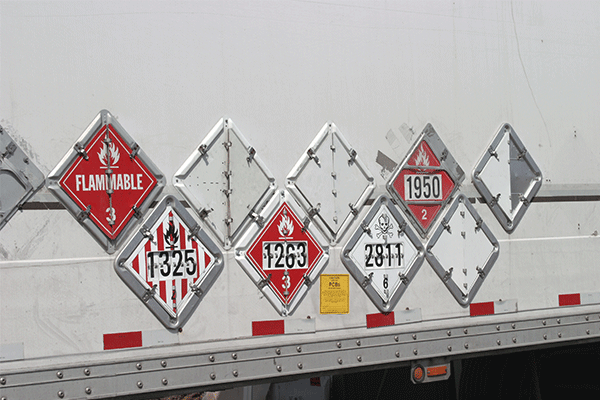
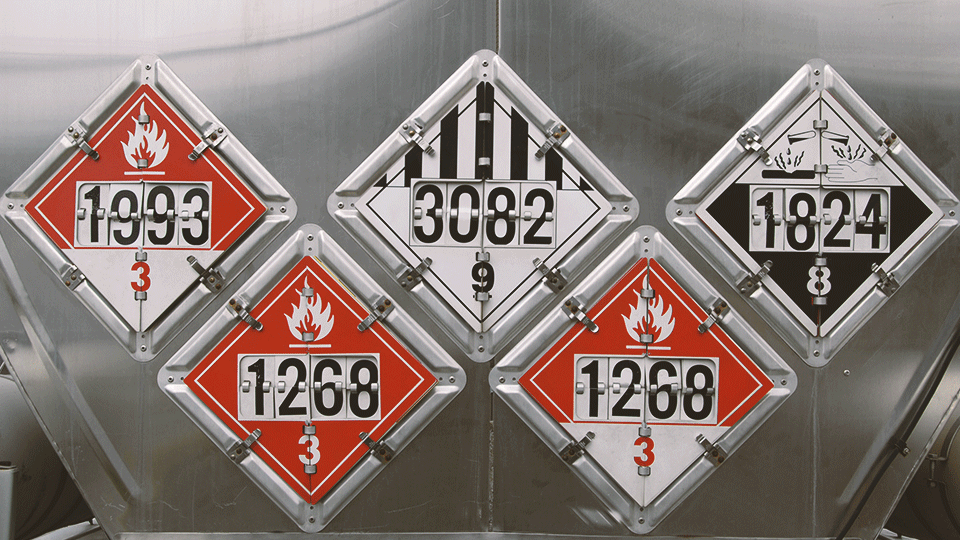
Working with freight that’s inherently dangerous to transport because it’s hazardous in some way, leaves no room for error. And, since you’re relatively new to this process, you’re here for information on what you absolutely need to know.
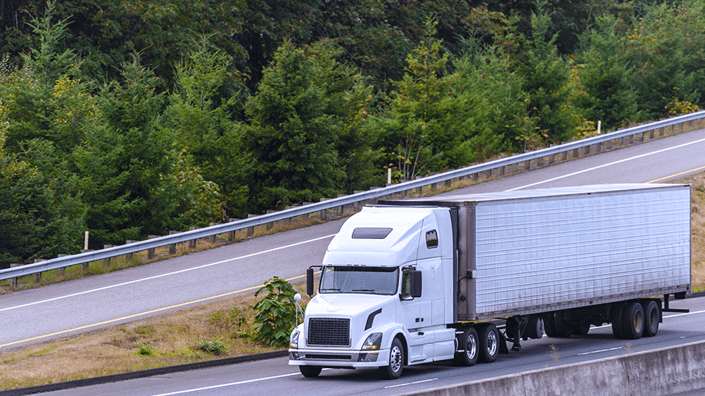
In recent years, the Food Safety Modernization Act (FSMA) has been central to this nation’s consumable food supply chain. And, as a shipper who moves these goods, you’ve certainly felt its impact on yours.