ATS Blog
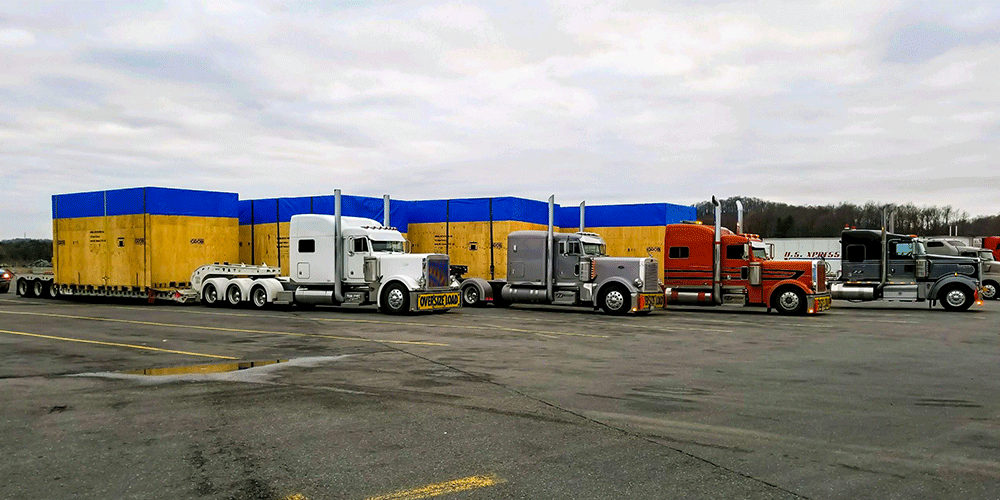
Freight brokers play a vital role in the transportation industry by connecting shippers who need freight moved with carriers who have available capacity. But one of the most common questions shippers and drivers ask is: how do freight brokers make money?
The trucking industry is full of unique services dedicated to making the lives of shippers and receivers a little bit easier. You frequently ship freight to multiple customers but recently this process has become tedious and difficult to manage.
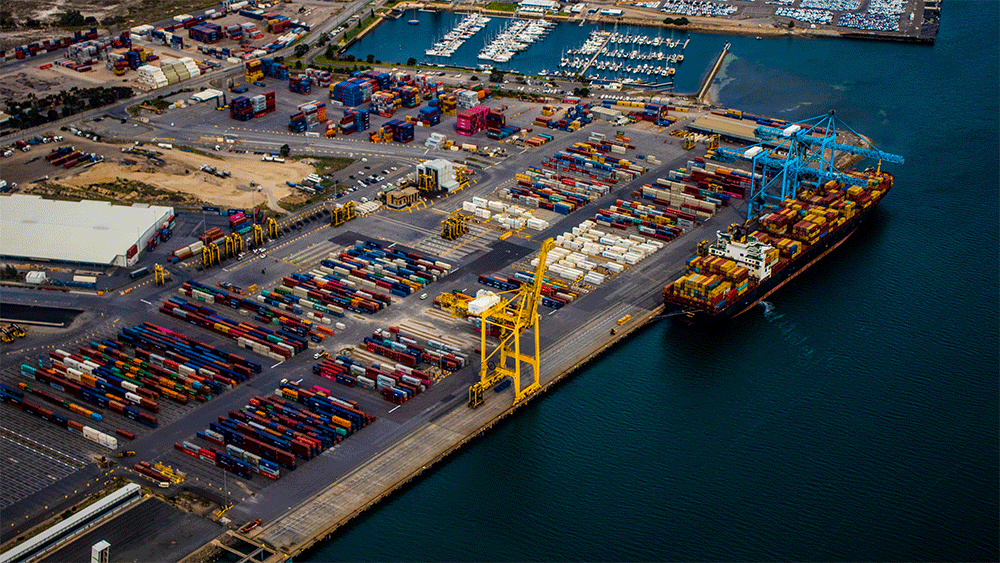
If you have global shipping needs or desires, it’s important to align yourself with an international freight forwarder that can meet those needs. If you want to ship to or from Europe, you’d better hope your forwarder can do that.
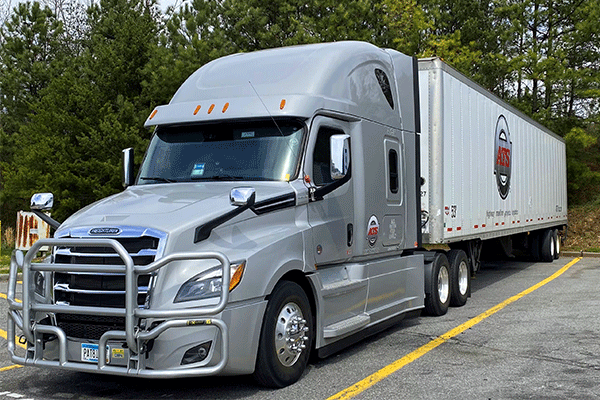 Supply chains can be complex. Some organizations have shipments coming and going at all hours and, often, this can make managing budgets and maintaining timelines difficult.
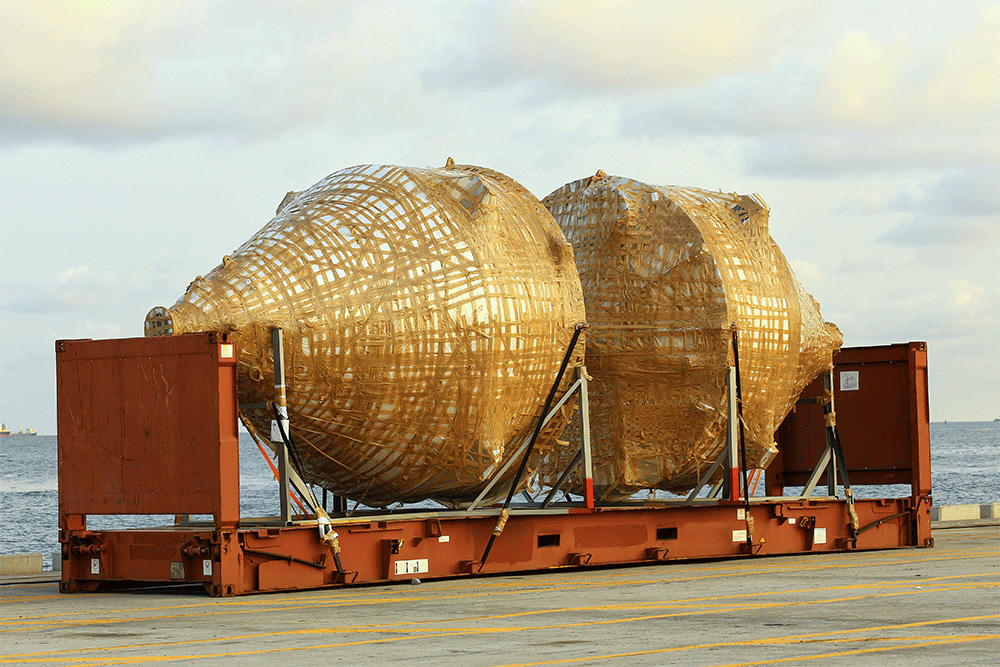
Not every piece of cargo fits neatly inside a standard shipping container. When freight is too wide, too tall, or shaped in a way that makes traditional container loading impractical, shippers often turn to a different type of equipment altogether: the flat rack container.
Shipping large quantities of freight to a wide array of receivers can be a complex task. But understanding the best way to do this, what options are on the table and which services fit your supply chain is important.
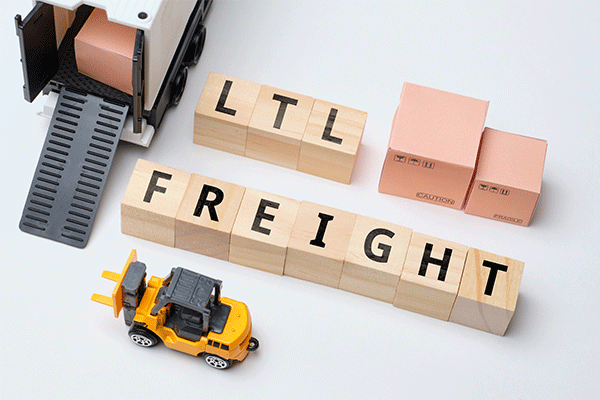
The last itemized list you got from your less-than-truckload transportation provider probably had several surcharges that were included in your final rate. Like many industries, the trucking world is ripe with rich — and oftentimes confusing — jargon.
What are all of these charges that were included in your final rate?
Your freight shipment failed again. Your truck didn’t show up, your freight didn’t make it on time, and your relationship with your customer is struggling. Every time you ask your transportation partner why this is happening they give you a different answer and you want to know why.
Whether you’re new to shipping freight and have heard the term “bill of lading” thrown around in reference to your shipments, or a seasoned logistics veteran the BOL is important to understand.
You know that this is an important piece of the freight shipping process but just aren’t sure how the BOL is used, whether it’s important to understand or how frequently it should be updated.