Resources & Insights
The Pros and Cons of Shipping Freight Using a Small Trucking Company

Your freight making it to its destination on time hinges on decisions you made well before it ever loaded. Prime among these decisions is which transportation provider(s) you trust to handle your freight needs.
The Pros and Cons of Adding a New Transportation Provider Mid-Cycle

Composing a transportation network can take years of work. This is rarely a set-it-and-forget-it process. Your company’s supply chain is dynamic — with inbound and outbound freight volumes fluctuating periodically. Your network of transportation providers (freight brokers, asset carriers, 3PLs, etc.) should adjust to match these needs.
6 Steps for Onboarding a New Transportation Provider

You oversee the freight moving to and from your company’s door. In doing so, you’re tasked with meeting certain deadlines, budgetary benchmarks and performance goals. As a logistics manager, achieving these ends is essential for the success of your business. But it’s not always easy to do so.
The Pros and Cons of Shipping Freight Using a Large Trucking Company
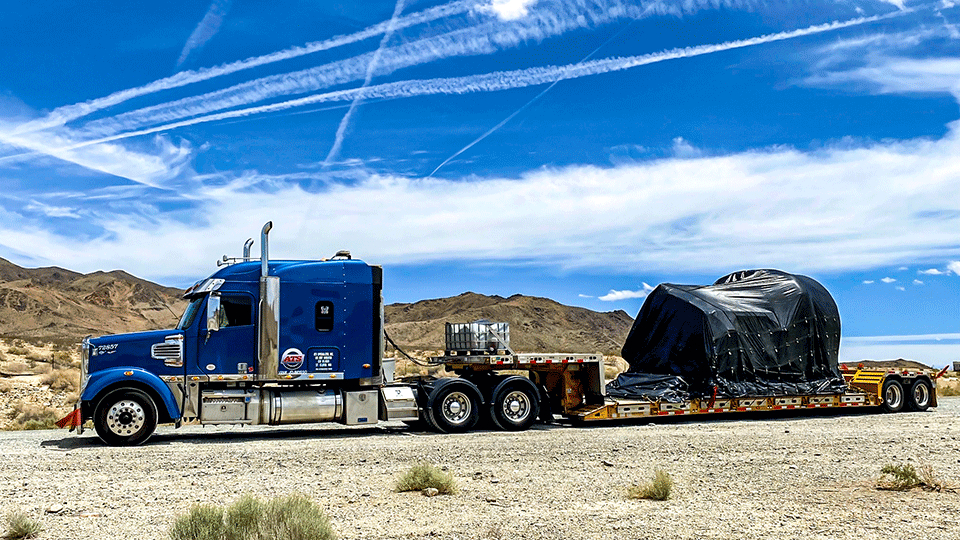
When it comes to choosing your transportation provider, there’s certainly no shortage of options. Sure, depending on your location(s), commodity type(s), company goals and the time of year, your pool of viable providers may fluctuate — however slightly.
How to Get Started Managing a Transportation Supply Chain: 8 Priorities
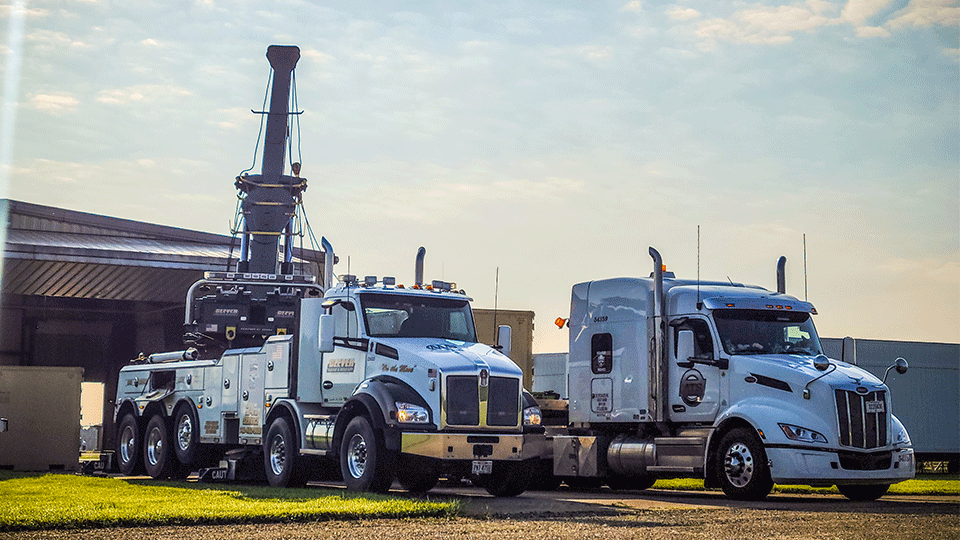
For decades now, companies have been dedicating more resources to their transportation supply chains, investing in technologies to improve processes and in-house experts to run the show.
How to Know When It’s Time to Switch Transportation Providers
 “This isn’t working.” Three dreaded words that can only mean one thing: you tried, you failed, it’s time to move on.
[Video] How Do Carriers Become More Green?
What is a SmartWay Certification?
 The Environmental Protection Agency (EPA), was established in 1970 to protect humans and the environment from significant health risks by creating systems that output cleaner air, better-protected land and purer water. Today, the EPA is a driving force behind every U.S. environmental regulation and policy.
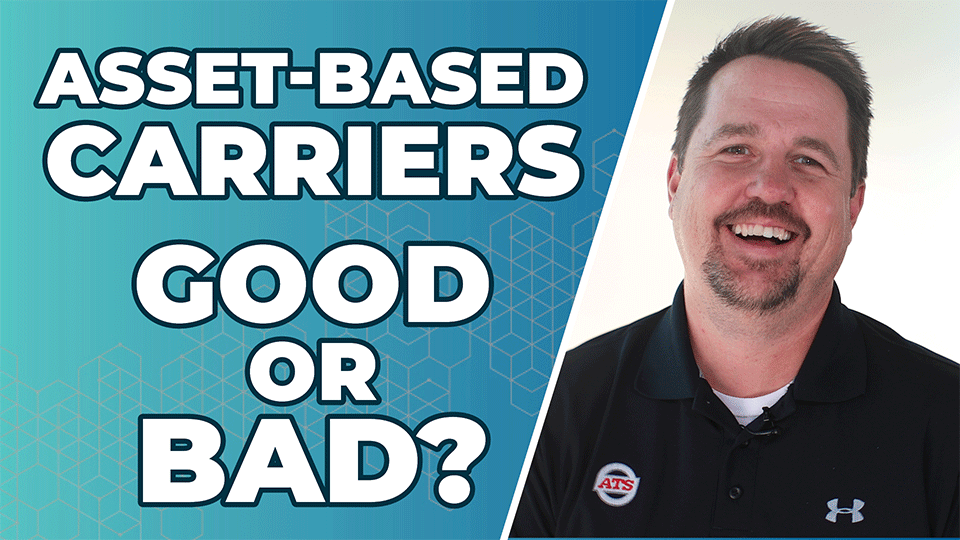
[Video] 3 Disadvantages of Using Asset-Based Carriers

The Pros and Cons of Shipping Freight Using a Small Trucking Company

Your freight making it to its destination on time hinges on decisions you made well before it ever loaded. Prime among these decisions is which transportation provider(s) you trust to handle your freight..
The Pros and Cons of Adding a New Transportation Provider Mid-Cycle

Composing a transportation network can take years of work. This is rarely a set-it-and-forget-it process. Your company’s supply chain is dynamic — with inbound and outbound freight volumes fluctuating..
6 Steps for Onboarding a New Transportation Provider

You oversee the freight moving to and from your company’s door. In doing so, you’re tasked with meeting certain deadlines, budgetary benchmarks and performance goals. As a logistics manager, achieving these..
The Pros and Cons of Shipping Freight Using a Large Trucking Company
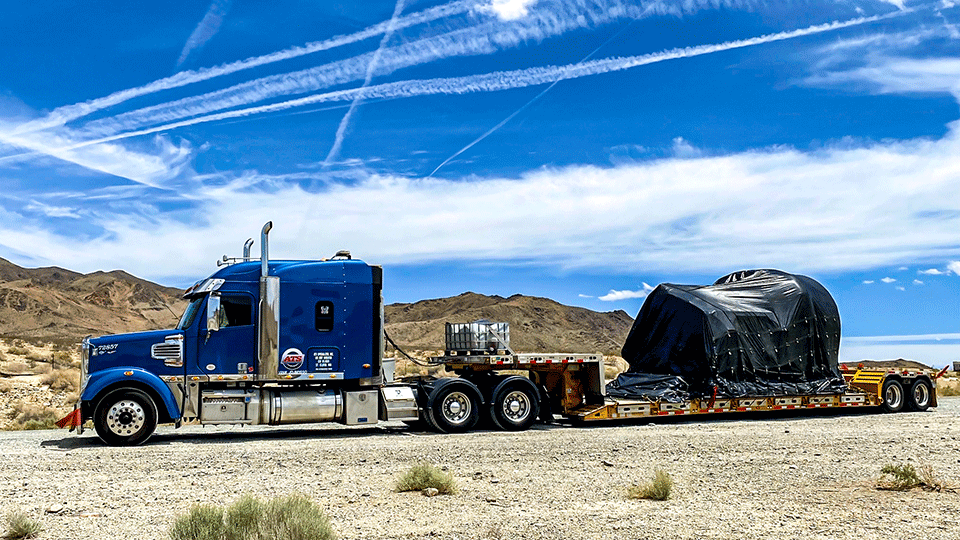
When it comes to choosing your transportation provider, there’s certainly no shortage of options. Sure, depending on your location(s), commodity type(s), company goals and the time of year, your pool of viable..
How to Get Started Managing a Transportation Supply Chain: 8 Priorities

For decades now, companies have been dedicating more resources to their transportation supply chains, investing in technologies to improve processes and in-house experts to run the show.
How to Know When It’s Time to Switch Transportation Providers

“This isn’t working.” Three dreaded words that can only mean one thing: you tried, you failed, it’s time to move on.