Resources & Insights
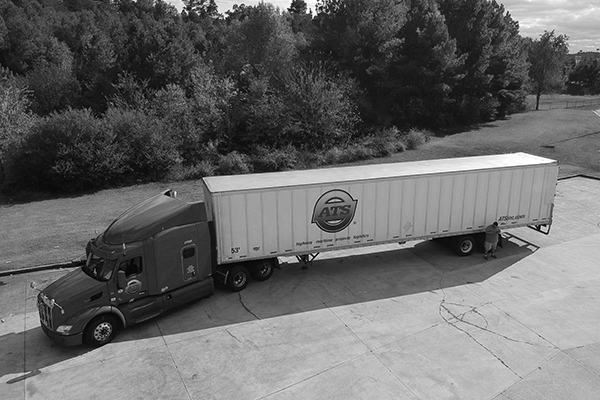
With so many options for moving smaller quantities of freight, it’s understandable why making these decisions leaves shippers feeling overwhelmed. There’s nothing wrong with a bit of hesitancy when interacting with the transportation world. In fact, we’d say it’s a good thing.

Sometimes, it can feel like things are only getting more expensive. Especially when every freight rate you’re given seems steeper than the next. Just like other logistics professionals, using your shipping dollars correctly is what you do. It’s why you’re good at your job.
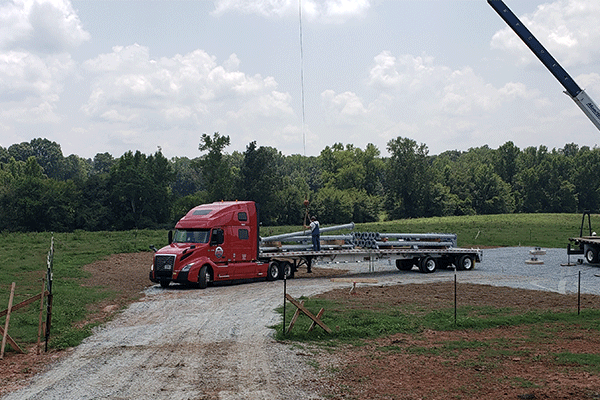
Unless you live off the grid, under a rock AND far from the beaten path, your day-to-day life is heavily influenced by countless industries.
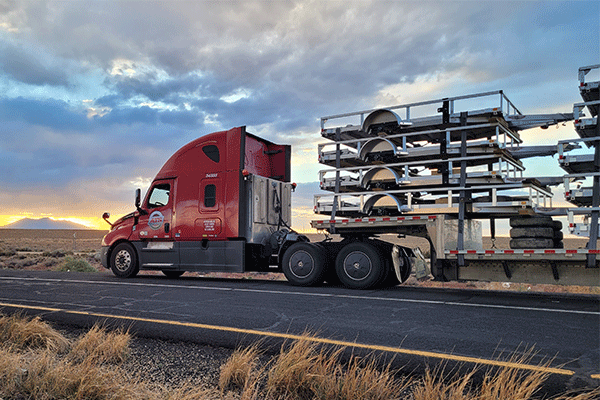
After a hard-hitting few months, sometimes it’s nice to have an off-season. A period of time dedicated to taking a step back, evaluating past performances and planning for the future.
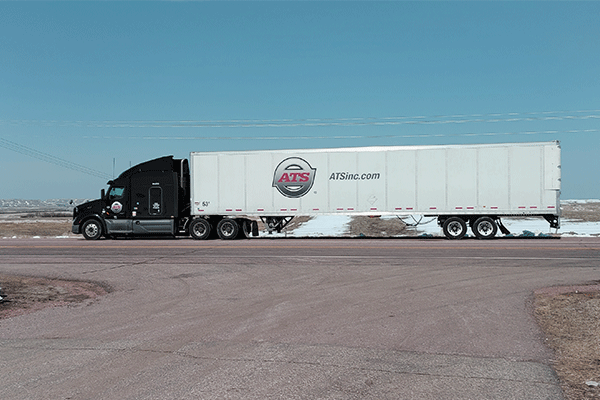
So you want to move some dry van freight. Not only that but you’re committed to sticking to a set budget this time around. That said, you realize how failing to understand the way dry van rates are calculated can make meeting your financial goals difficult.
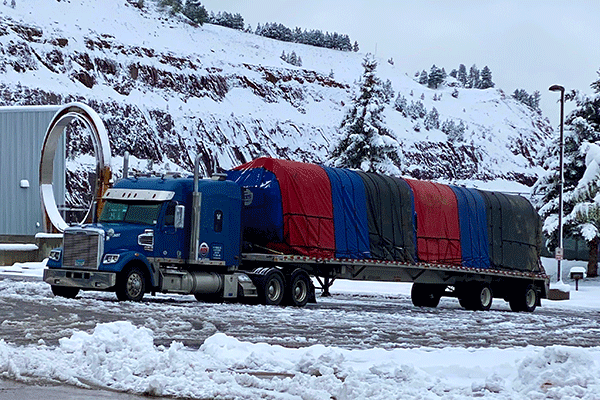
Whether we're talking Christmas or the Fourth of July, holiday freight shipping requires careful planning to avoid costly disruptions, rate spikes, and capacity shortages.
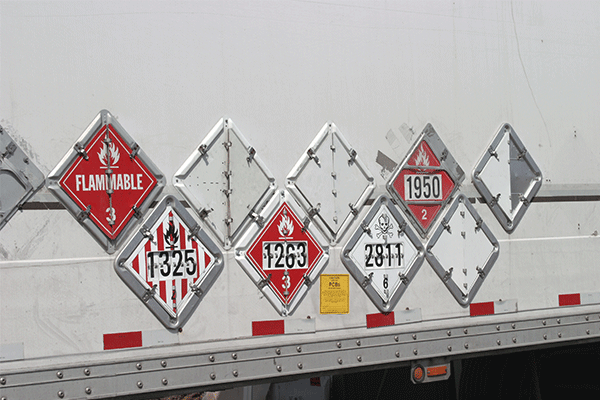
Working with freight that’s inherently dangerous to transport because it’s hazardous in some way, leaves no room for error. And, since you’re relatively new to this process, you’re here for information on what you absolutely need to know.
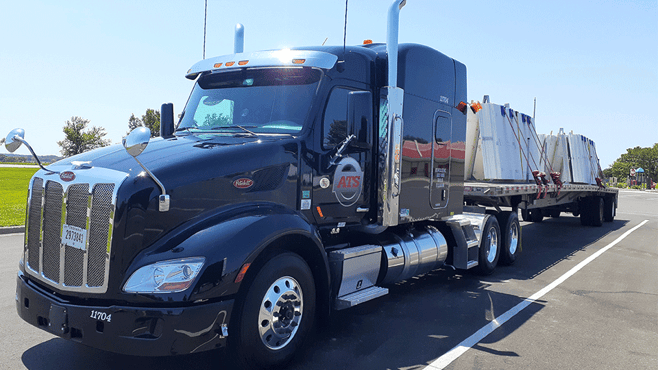
Getting freight to your consignee’s door quickly, when it counts, can make or break your timelines. Be it a single pallet of machine parts or a truckload of fabricated steel, delivering on your commitments is important to your relationships, your business and your bottom line.
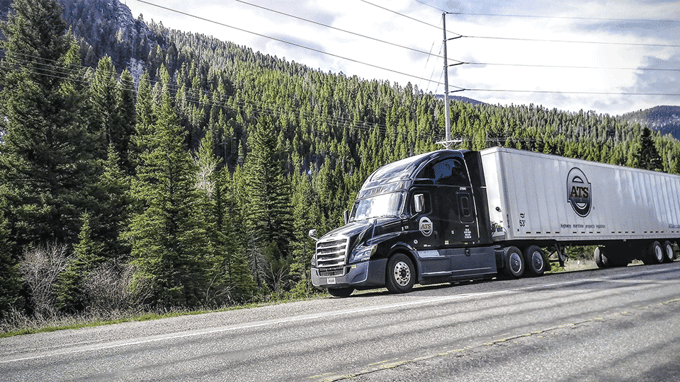
Getting a straight answer about how your dry van shipping costs are calculated can be a real challenge. Couple in the fact that understanding this information is crucial to making the most of your budget and you may be left feeling kind of stranded in the transportation world.