Resources & Insights
As a logistics professional, your sights are constantly set on efficiency, set on optimizing your processes to assist your company toward brighter days.
Retail and general merchandise transportation has always required precision, speed, and reliability, but perhaps never more so than in the e-commerce era. With shifting consumer expectations, rapid digital growth, and increasingly complex distribution networks, retailers and their carrier partners need a clear strategy to stay ahead.
Your business, which spends its days making sure store shelves are lined, dinner reservations are valuable and refrigerators are stocked with everything from cool apple cider to fresh bell peppers, couldn’t be more important.
In November 2021, the U.S.’ manufacturing output index — a segment of the Industrial Production Index (used to gauge the real economic production of national industries like oil & gas, mining, etc) —- increased to its highest level in over three years.
Sometimes peace of mind is difficult to come by in the transportation world. Every shipment comes with a unique set of variables and moving parts — each requiring attentiveness and careful management. Sure, there are plenty of more-than-capable transportation companies across the United States and the world.
As you know, sticking to your transportation timelines and covering your customer commitments takes efficiency.
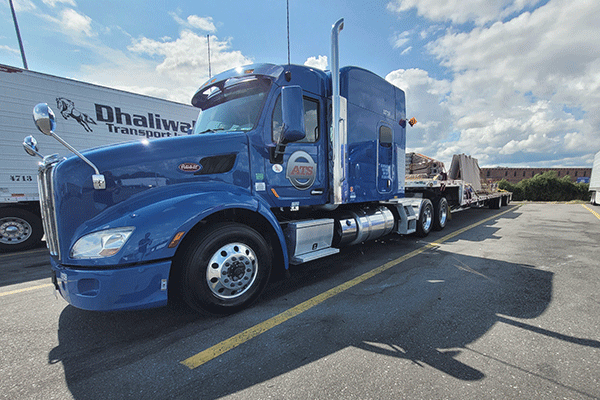
As we near the conclusion of 2021, and begin the twenty-second leg of our 2000’s journey — with a year that promises more challenges, triumphs and learning opportunities — a bit of reflection would do all of us well.
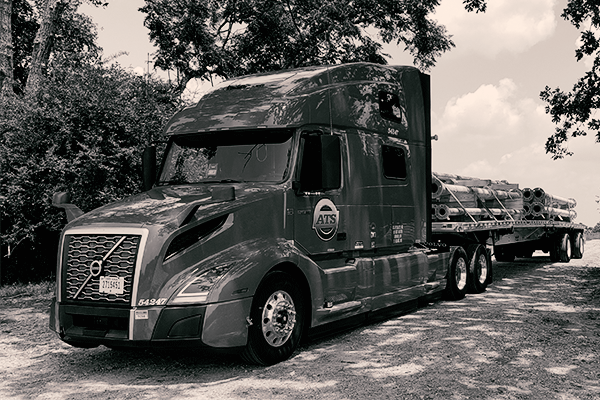
Look, the transportation industry is a funny place; trucking companies and freight brokerages stand shoulder to shoulder, jostling for each shipper’s attention by offering the best-in-class services that “only their company can provide.”
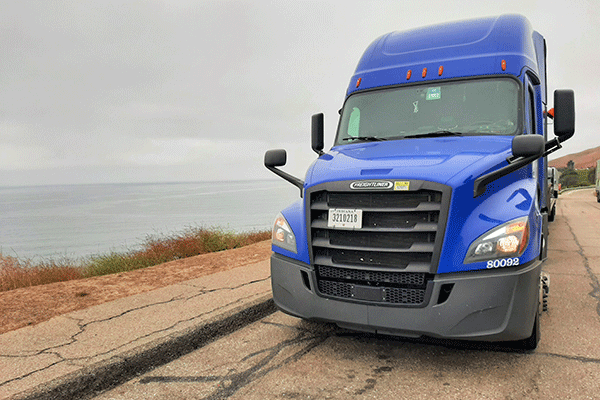
When a company decides to transition away from customer-routed freight operations and toward managing these processes in-house, there’s typically a single driving factor.