Resources & Insights
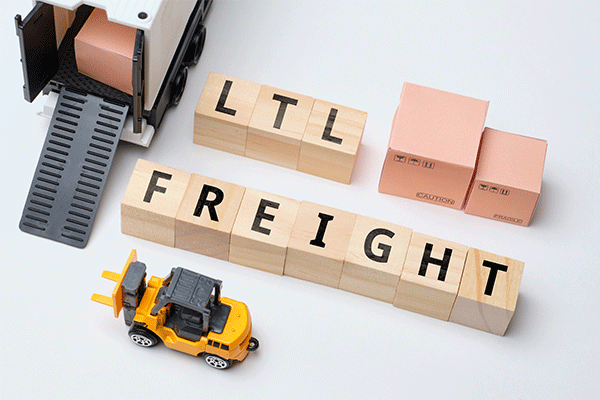
The last itemized list you got from your less-than-truckload transportation provider probably had several surcharges that were included in your final rate. Like many industries, the trucking world is ripe with rich — and oftentimes confusing — jargon.
What are all of these charges that were included in your final rate?
Your freight shipment failed again. Your truck didn’t show up, your freight didn’t make it on time, and your relationship with your customer is struggling. Every time you ask your transportation partner why this is happening they give you a different answer and you want to know why.
Whether you’re new to shipping freight and have heard the term “bill of lading” thrown around in reference to your shipments, or a seasoned logistics veteran the BOL is important to understand.
You know that this is an important piece of the freight shipping process but just aren’t sure how the BOL is used, whether it’s important to understand or how frequently it should be updated.
If you’ve recently used less-than-truckload or partial-truckload transportation services for your freight, you’re probably wondering why the transit timing for these shipments is so hard to predict, especially at the time of pick up.
You’ve put in the time.
Key Takeaways:
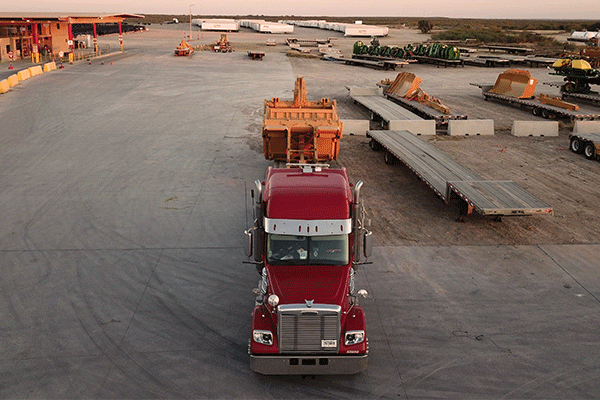
- Most cross-border freight is transported via through-trailer service or transloading.
- Through-trailer is best for over-dimensional and high-value freight.
- Transloading is best for flexibility and remote destinations within Mexico.
- Choosing the right transportation provider and customs broker is critical to properly coordinating cross-border movements.
- Mind the insurance gap: U.S. coverage stops at the border.
Key Takeaways:

If you’re having trouble keeping up with your loading/offloading deadlines on your shipments, you’re likely wondering what you can do. Will working drop trailer service into the contracts you sign with your carrying partner help you with this issue?
Let’s face it, transportation is unpredictable. Deadlines get missed, budgets get overextended and partnerships are put to the test. You're falling behind on your loading times and you’re looking for a solution to help you meet deadlines. Every precaution should be taken to promote the on-schedule execution of your supply chain and you’re looking to do just that.

You’re worried about finding capacity this season. Two years ago, no one could’ve predicted the hectic nature of our world over the last 12 months. People, supply chains and businesses have suffered at the hands of a relentless virus and, as the world clambers toward normalcy once more, your shipments are ready to go out the door.