Resources & Insights
Let’s face it, transportation is unpredictable. Deadlines get missed, budgets get overextended and partnerships are put to the test. You're falling behind on your loading times and you’re looking for a solution to help you meet deadlines. Every precaution should be taken to promote the on-schedule execution of your supply chain and you’re looking to do just that.

You’re worried about finding capacity this season. Two years ago, no one could’ve predicted the hectic nature of our world over the last 12 months. People, supply chains and businesses have suffered at the hands of a relentless virus and, as the world clambers toward normalcy once more, your shipments are ready to go out the door.
Whenever your broker falls through and jeopardizes the smooth success of your supply chain, you wonder: What happened? And most importantly, how can I make sure this doesn’t happen again?

Of course the distance your freight needs to travel impacts the time it takes to get there. Based on land distance alone it takes longer to get from NY to Cal than from NY to N.J. But there’s more to it than that.
The trucking industry is brimming with unique jargon. This can make starting in this industry or working with it overwhelming. As soon as you think you’re beginning to master the language of trucking, another term will pop up.
As a shipper, you know that having a good grasp on what it should cost to move your freight is important, but it feels like it's getting harder to do so these days. This makes you wonder what causes shipping rates to change today when compared to years past.
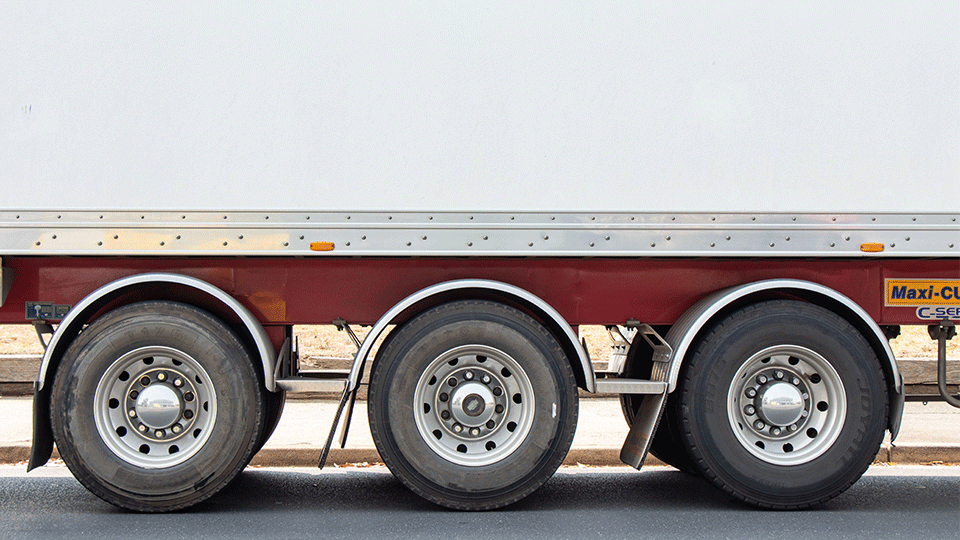
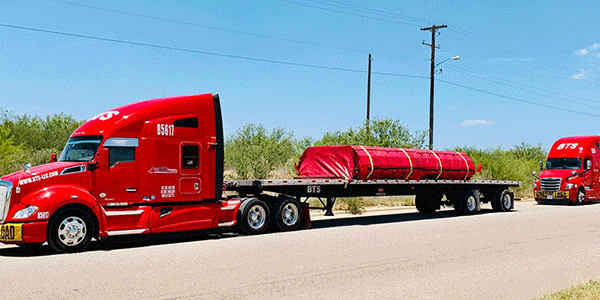
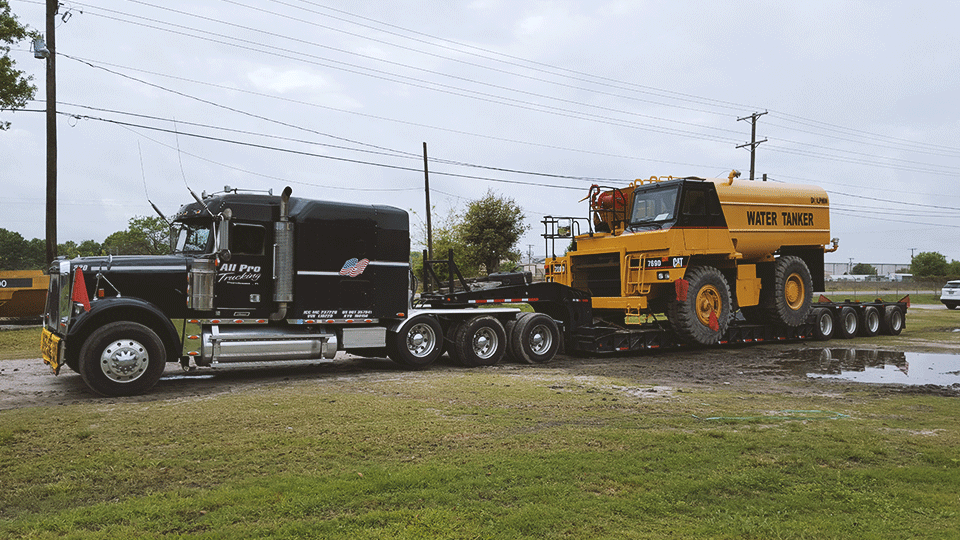
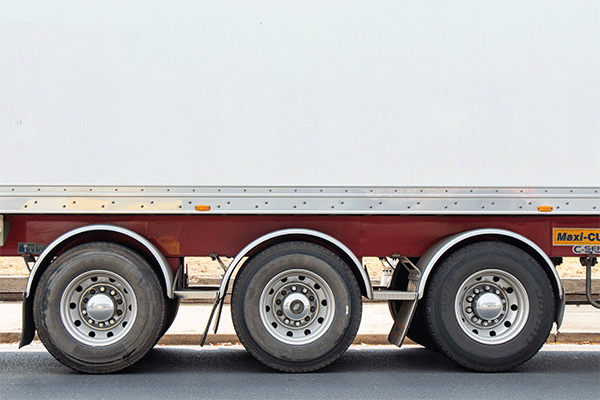
With so many different trailers on the roads today, it can be difficult to discern what each is used for and which is best for your freight.
You’re looking to move a shipment but are unsure of whether or not using a freight brokerage is right for you. This can be a difficult decision, but it doesn’t have to be.