Resources & Insights
Moving freight in the hospitality industry can be a complex process, especially when deadlines are tight and timelines are dynamic. Without a competent transportation partner, companies like yours can struggle to keep their supply chains on track, which can be disruptive at least and disastrous at worst.
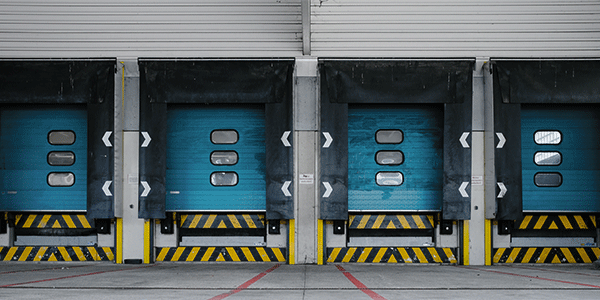
First come, first served (FCFS) in logistics means a warehouse or shipping facility handles trucks and freight in arrival order rather than by scheduled appointment. The first carrier to check in is usually the first one loaded or unloaded, although delays can still happen due to dock availability, labor, and freight volume.
Is FCFS the same as a delivery appointment?
No. FCFS means service is based on arrival order, while an appointment-based system assigns a specific time for pickup or delivery.
The pricing structure in the freight shipping industry is complex. The price you pay to move your freight is subject to many variables and — in some cases — a first come, first served scheduling model is one such factor.
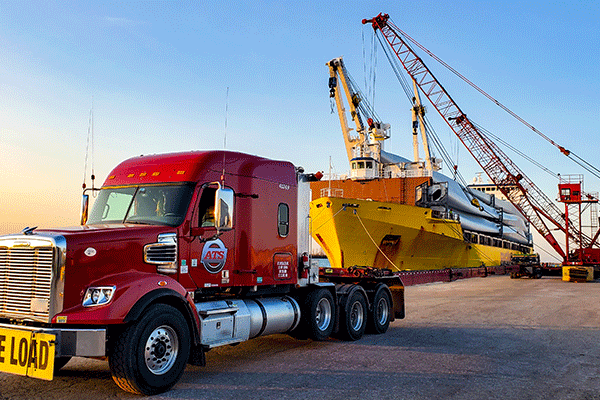
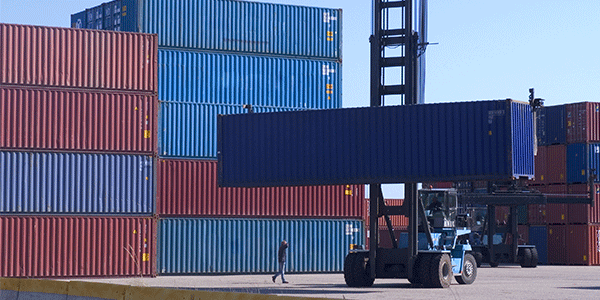
You’ve routed your shipment through a U.S. port before and know that doing so provides its own set of unique fees and challenges. The services provided to your shipment at the port can become expensive and you want to make the most of your budget.

The last itemized list you got from your less-than-truckload transportation provider probably had several surcharges that were included in your final rate. Like many industries, the trucking world is ripe with rich — and oftentimes confusing — jargon.
What are all of these charges that were included in your final rate?
Your freight shipment failed again. Your truck didn’t show up, your freight didn’t make it on time, and your relationship with your customer is struggling. Every time you ask your transportation partner why this is happening they give you a different answer and you want to know why.
Whether you’re new to shipping freight and have heard the term “bill of lading” thrown around in reference to your shipments, or a seasoned logistics veteran the BOL is important to understand.
You know that this is an important piece of the freight shipping process but just aren’t sure how the BOL is used, whether it’s important to understand or how frequently it should be updated.
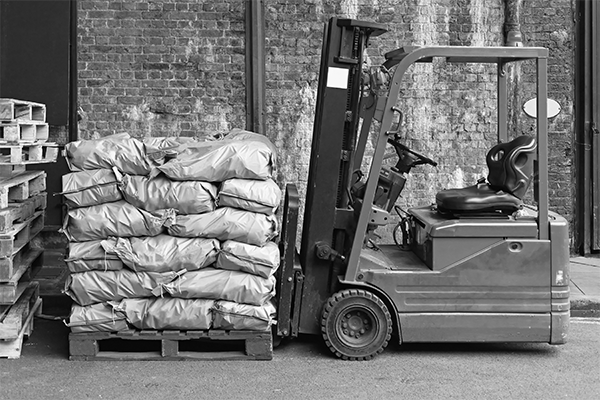
If you’ve recently used less-than-truckload or partial-truckload transportation services for your freight, you’re probably wondering why the transit timing for these shipments is so hard to predict, especially at the time of pick up.
You’ve put in the time.
Key Takeaways:

If you’re having trouble keeping up with your loading/offloading deadlines on your shipments, you’re likely wondering what you can do. Will working drop trailer service into the contracts you sign with your carrying partner help you with this issue?