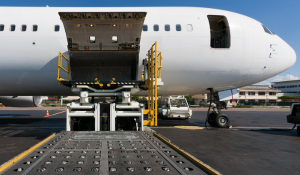
Shipping freight by air for the first time — or even the 101st time! — can feel overwhelming, especially for shippers unfamiliar with the many unique terms and processes involved.
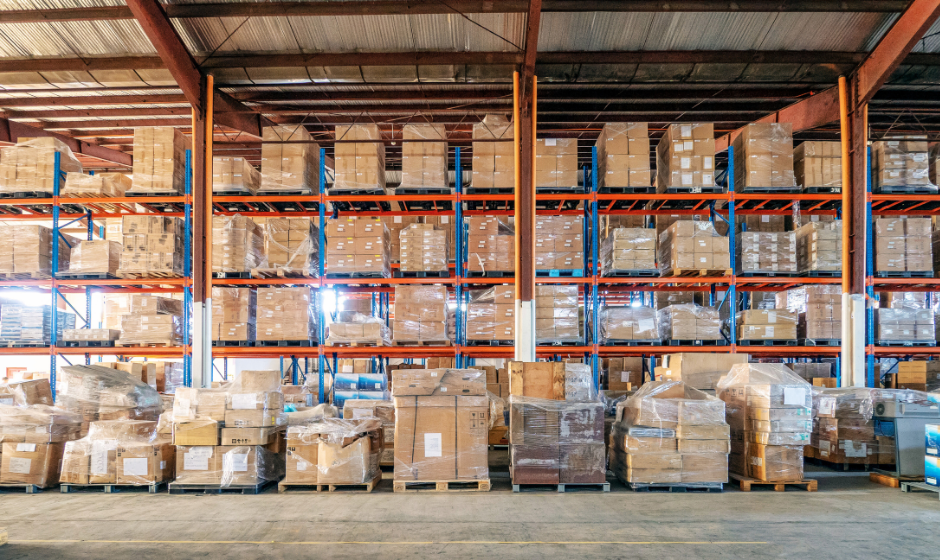
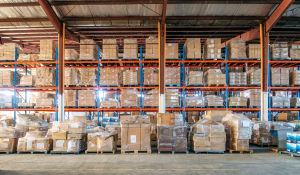
It’s a transportation tale as old as time: You know your freight needs a dry, secure place to hang out before it heads to its ultimate destination, but you’re at a bit of a loss when it comes to sending out requests for quotation (RFQs) for your warehouse project.

Just like Bon Jovi, blind shipping is misunderstood.
At Anderson Trucking Service (ATS), we’ve seen and heard it all when it comes to blind shipping.
“Hey, this load doesn’t have a delivery address; where am I supposed to drop off?”
“Did you mean to send that BOL without consignee information?”
“Is this even legal?”
You name it, we’ve answered it. We’ve become so familiar with the most common questions about blind shipping, it inspired us to put the answers all in one place — here!

It’s true: I’m a package-tracking enthusiast. I get a thrill when my email inbox pings with that all-important tracking information. I delight in watching my parcels move through the country, and I eagerly anticipate their arrival at my doorstep.
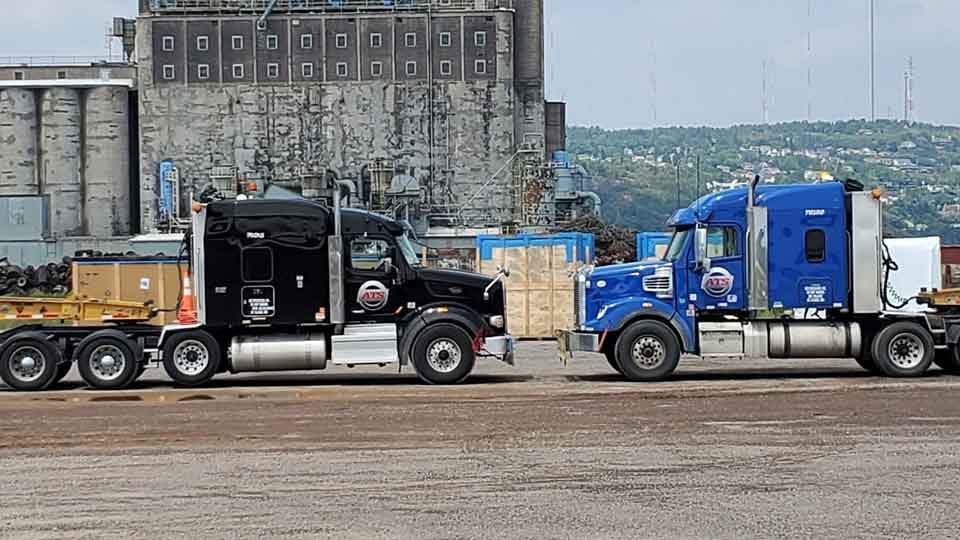
In this age of companies doing more and more in-house rather than relying on vendor partners to provide specialty services, many companies prefer to have a private fleet of trucks and drivers rather than outsourcing these services to a trucking company or freight brokerage.
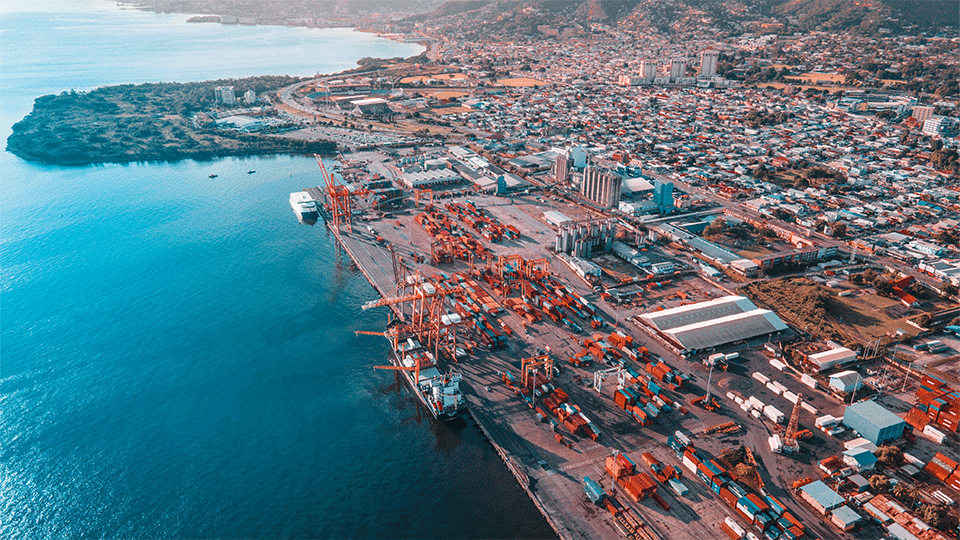
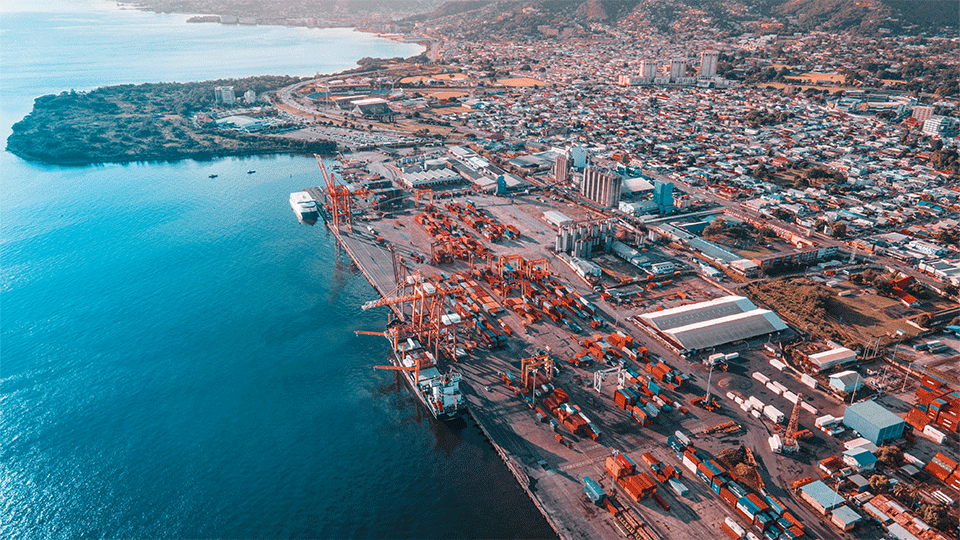
International shipping can feel really complicated sometimes, especially if you’re new to this process. Formulating a transportation concept for an international shipment — whether it’s cross-border or around the world — requires expert knowledge and oversight.
When it comes to transportation and logistics, trillions of dollars worth of cargo moves across the U.S. every year via semi-truck (or a motorized alternative), accounting for over 70 percent of all U.S. freight movement.
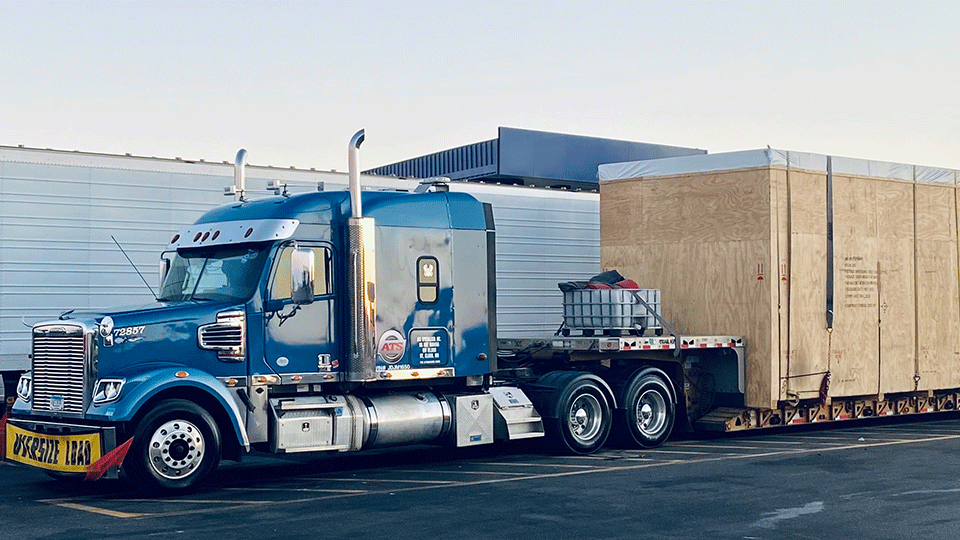
We’re a little over halfway through 2022, a year that has — to this point — been challenged by worldwide economic disruptions and supply chain congestion issues. No matter what industry your company is in, it has likely been impacted — in some form or another— by the current state of our world.