Resources & Insights
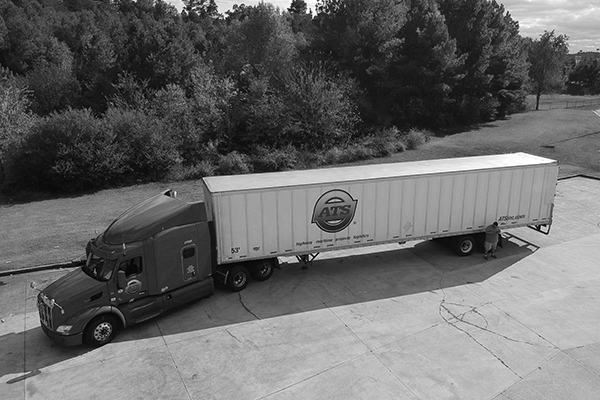
With so many options for moving smaller quantities of freight, it’s understandable why making these decisions leaves shippers feeling overwhelmed. There’s nothing wrong with a bit of hesitancy when interacting with the transportation world. In fact, we’d say it’s a good thing.
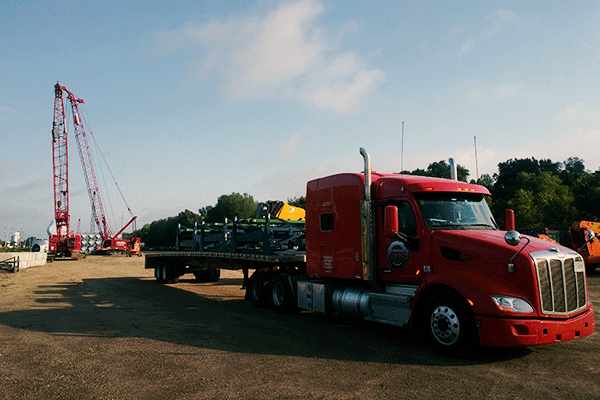
Look, we get it. You want to make the most of your shipping dollars in the most convenient way possible. It’s not your fault that short-mile shipments are so expensive over weekend days.
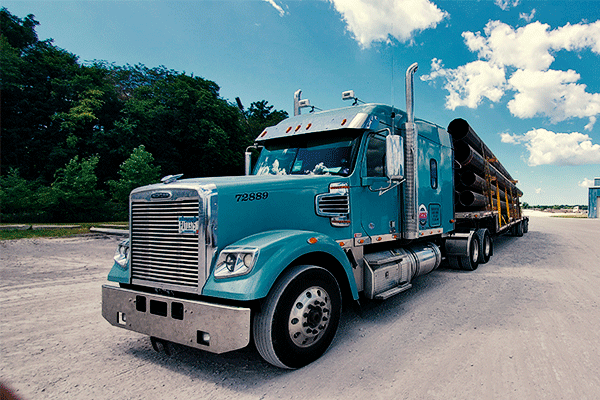
So, your customers route their own freight. To this point, this process has worked well for your business, your customers and your bottom line. You have a specialty, whatever it may be, and providing transportation services isn’t it. Plain and simple.
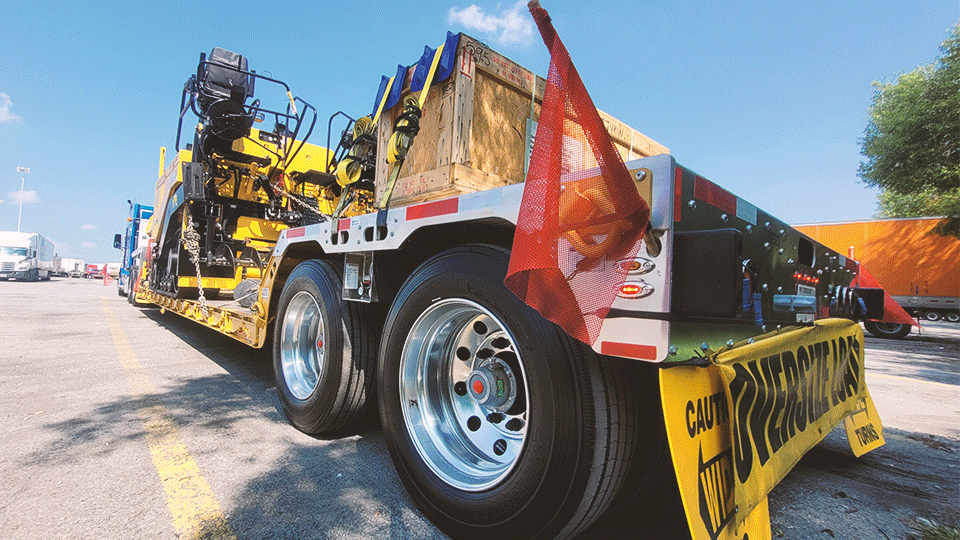
You’re looking to nail down some permitting for an upcoming shipment. But you don’t know how to go about doing so, how much time it will take to obtain the permit, how long the load may take to move . . .
About the only thing you know for sure? You have a lot of questions about what information you’ll need to facilitate the oversized load permit process.
Since you’re hoping to make this process as smooth as possible, you already know this information is vital to the success of your shipment. Now, all that’s left is to get the facts and take the right steps.
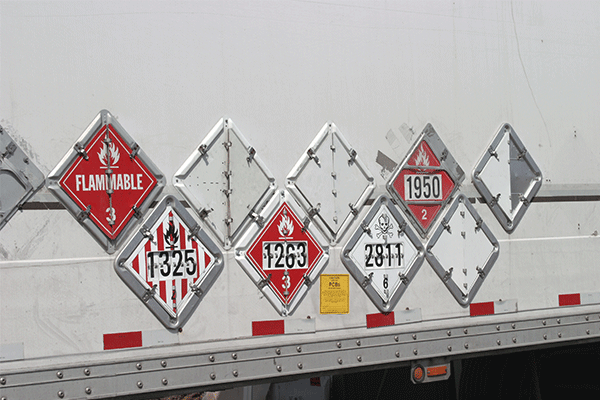
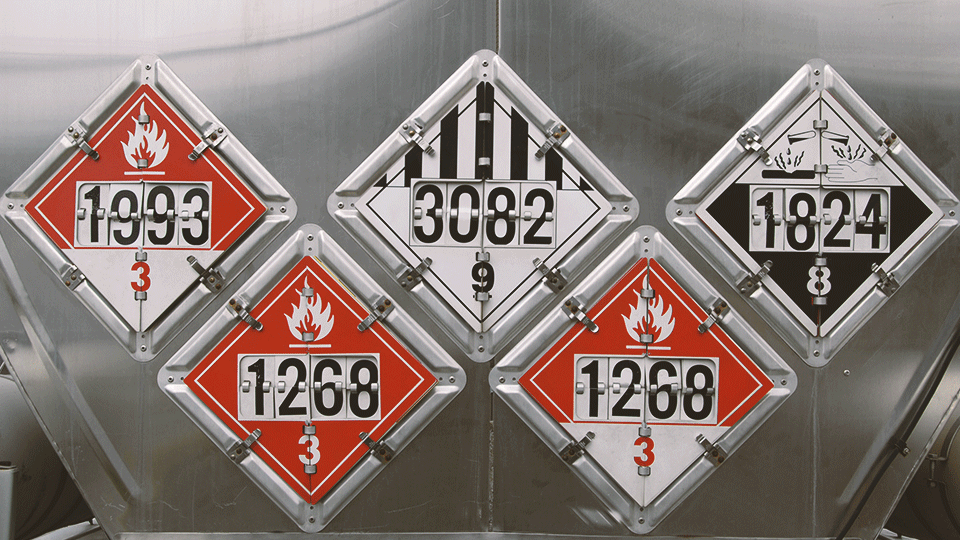
Working with freight that’s inherently dangerous to transport because it’s hazardous in some way, leaves no room for error. And, since you’re relatively new to this process, you’re here for information on what you absolutely need to know.
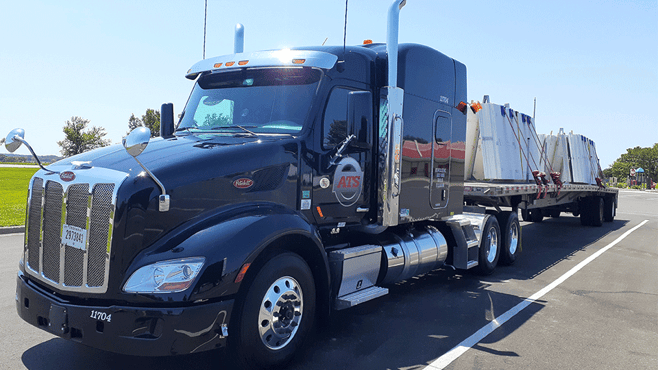
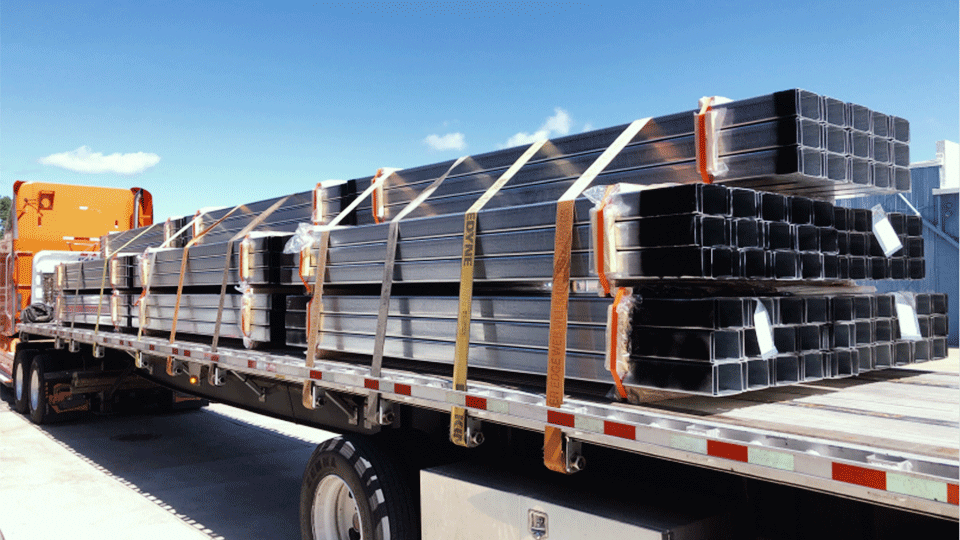
Getting freight to your consignee’s door quickly, when it counts, can make or break your timelines. Be it a single pallet of machine parts or a truckload of fabricated steel, delivering on your commitments is important to your relationships, your business and your bottom line.
Trailer-interchange agreements are another special piece of the transportation world. And, if you’ve ever wondered exactly what they do, when they should be used and how they relate to the shipping process, you’re in the right place.