ATS Blog
There are many ways to ship international cargo efficiently and cost-effectively. And there are countless decisions to make in order to ensure your unique international shipping needs are met.
There's no question Puerto Rico has faced economic hardships for the better part of 30 years. And if you’ve kept up with the news over the past three years, you know in September 2017, the island was hit by two massive hurricanes — Irma and Maria — in less than three weeks. The storms killed more than 3,000 people, left most of the population without power and compounded the island’s already substantial debt and economic crisis.
Cheap freight shipping might look like a win on paper, but the lowest rates can often hide the highest risk.
The below infographic can be used as a resource to help determine what size trailer you need to haul your load.
 As a shipper, you can do a lot of things to ensure your cargo reaches its destination in the best possible condition. For example, you can choose a reliable carrier, take extra care when packing your shipment and provide thorough handling instructions.
 When it comes to choosing a carrier, safety is paramount.
If something goes amiss (like an accident), you won't just lose goods. Roadway incidents can also lead to damage, lawsuits and reputation-tarnishing press. Poor safety habits can endanger lives — which is something no one wants on their conscience.
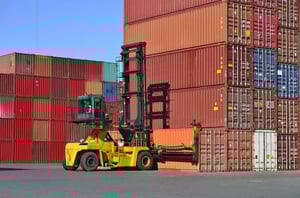 At first, shipping internationally can seem complicated. Not only are you required to round up extra documentation, but you also have to get through the customs process — which must be challenging to navigate, right?
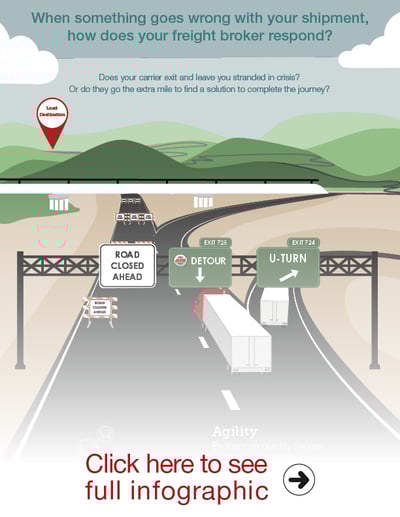 In the transportation industry, there’s one thing we know for sure: somewhere, somehow, something will go wrong. Any transportation provider knows that when dealing with man, machine and Mother Nature, the unexpected is expected. So the next time severe weather rolls in on your freight’s route, a carrier falls through, a truck breaks down or the unexpected happens, pay attention. The way your broker handles the situation may be telling you something.
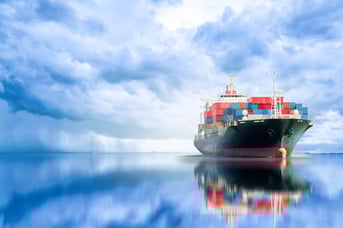 The coronavirus pandemic has affected nearly every facet of international logistics and commerce — and some consumers and businesses are scrambling to get the goods and supplies they need to weather the storm.